11 Shockingly Effective 1000 Calorie Diet Menu Plan
1. Balanced Breakfast to Start a 1000 Calorie Diet Menu Plan
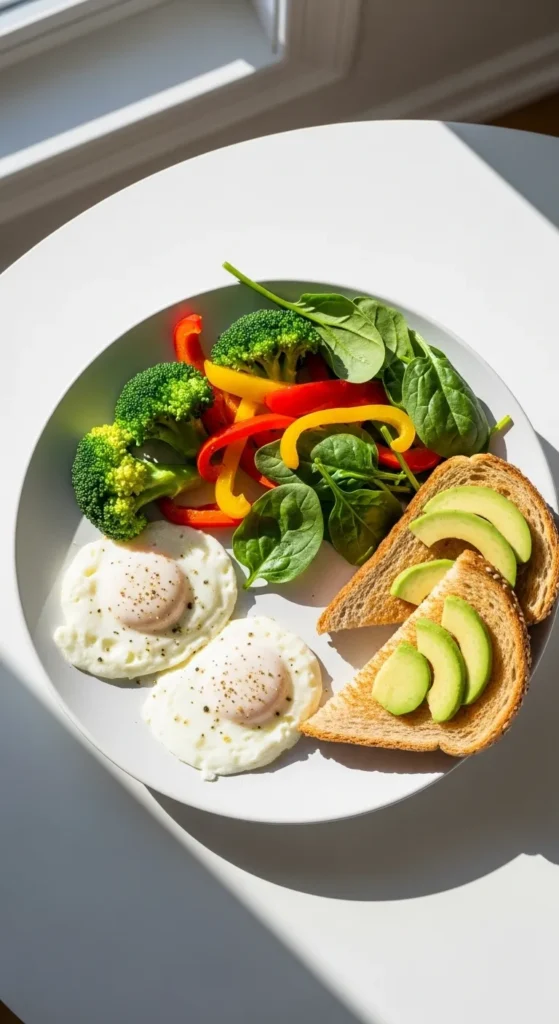
This image shows a light yet satisfying breakfast designed for a 1000 calorie diet menu plan, featuring egg whites, fresh vegetables, and whole-grain toast. The portion size is controlled but filling, proving that low calories don’t mean low nutrition. Bright colors and simple plating highlight freshness, balance, and smart food choices for fat loss.
A balanced breakfast is essential for metabolism when following a 1000 calorie diet menu plan because it reduces cravings later in the day. High-protein foods like egg whites preserve muscle and improve satiety, while fiber-rich vegetables support digestion. Starting your day this way builds discipline and helps maintain consistent fat loss without extreme hunger.
2. High Protein Mid Morning Snack for Fat Loss
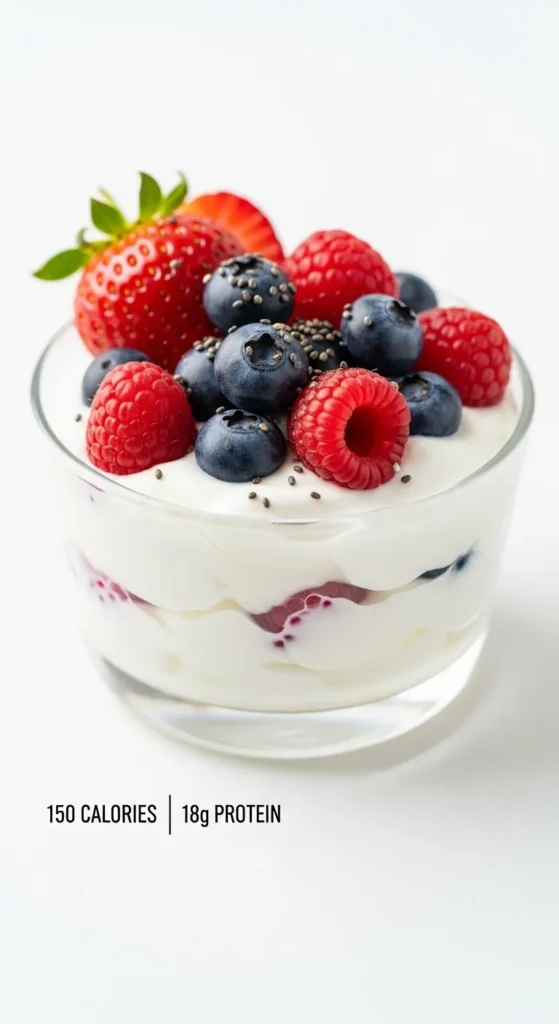
This image highlights a high-protein, low-calorie snack such as Greek yogurt with berries, ideal for a 1000 calorie diet menu plan. The small portion reinforces portion control while still looking appealing and nutrient-dense. Natural colors from berries emphasize antioxidants and clean energy.
Including a protein snack helps stabilize blood sugar and prevent overeating before lunch. In a 1000 calorie diet menu plan, every calorie must work harder, and protein is key for fullness. This smart snack choice supports lean muscle and makes rapid fat loss more sustainable.
3. Light Lunch Plate That Keeps Calories Low
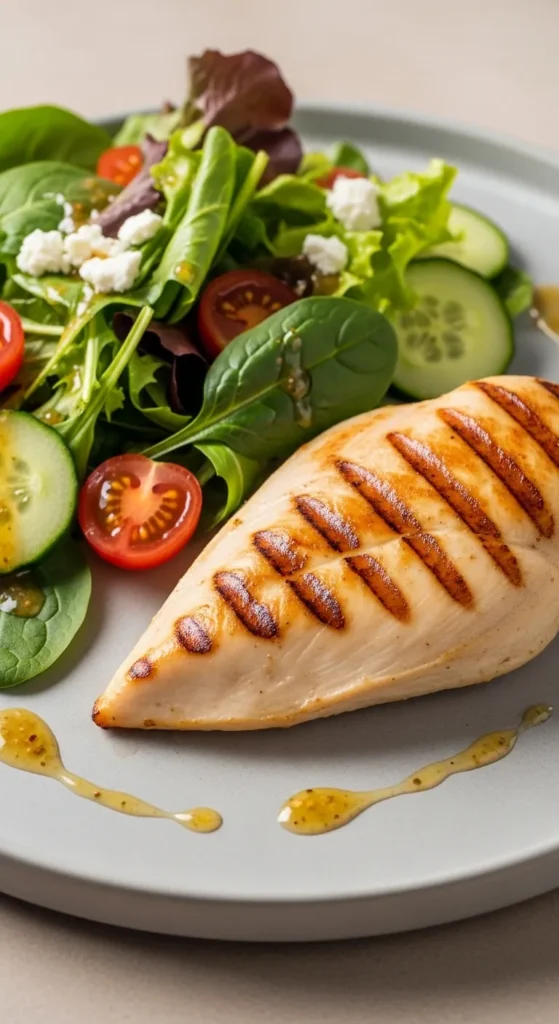
This image features a lean protein lunch with grilled chicken and leafy greens, perfect for a 1000 calorie diet menu plan. The plate looks full due to vegetable volume rather than calories, showing how visual fullness supports dieting success. Clean ingredients keep the meal light yet satisfying.
Lunch is crucial for maintaining energy without exceeding limits in a 1000 calorie diet menu plan. Lean protein and high-volume vegetables control hunger and support metabolism. Avoiding heavy sauces and refined carbs helps regulate insulin, making fat loss faster and more efficient.
4. Smart Afternoon Snack to Control Hunger
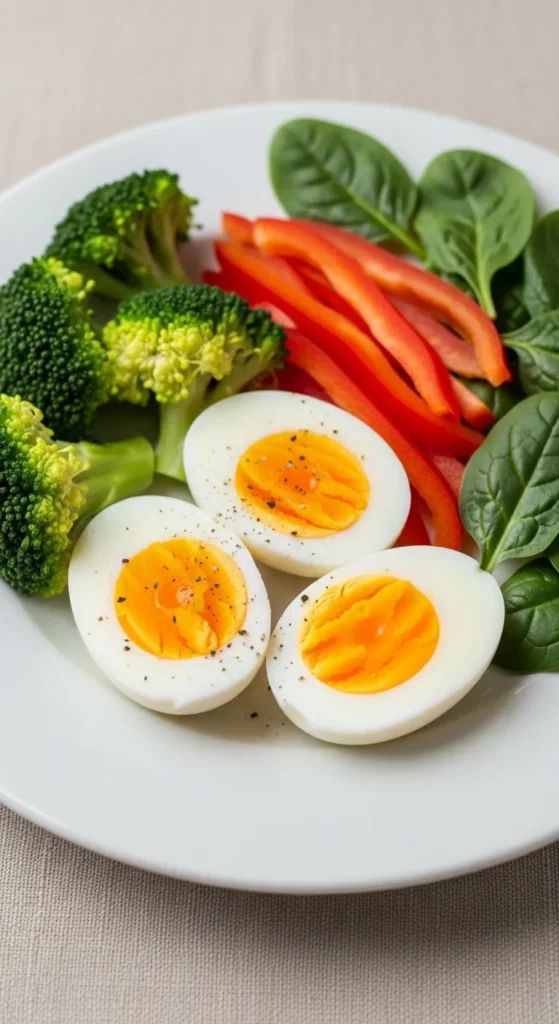
This image shows a low-calorie afternoon snack like boiled eggs or cottage cheese paired with vegetables, aligned with a 1000 calorie diet menu plan. The snack looks simple but filling, reinforcing the idea that structured eating prevents cravings. Clean textures highlight protein-rich simplicity.
Afternoon snacks prevent energy crashes and binge eating at dinner. In a 1000 calorie diet menu plan, protein-based snacks help manage appetite and maintain focus. Choosing nutrient-dense foods keeps calories low while ensuring the body stays fueled for consistent fat loss.
This menu works best when combined with smart 1000 calorie meal ideas that balance protein, fiber, and volume.
5. Light Dinner That Supports Overnight Fat Loss
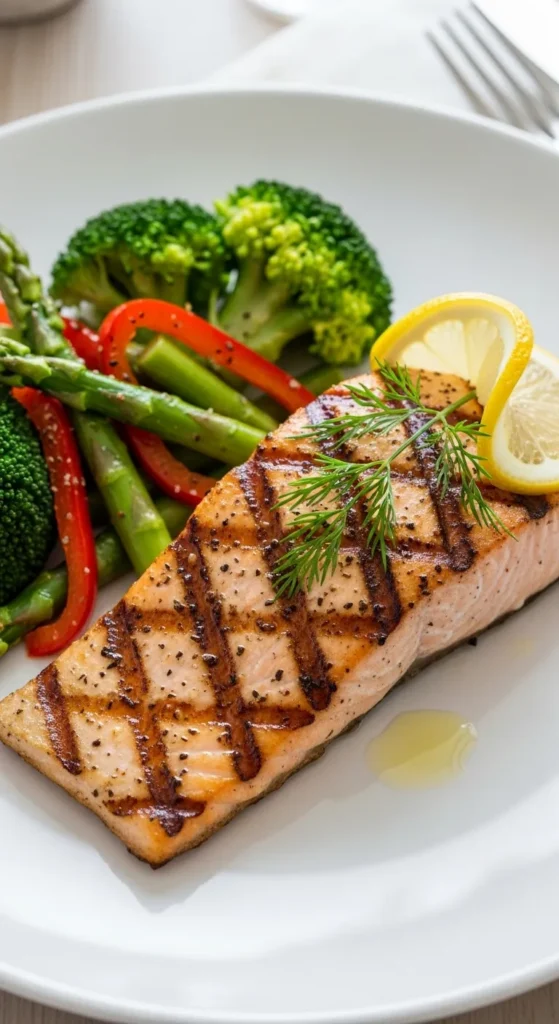
This image presents a light dinner with grilled fish and steamed vegetables, ideal for a 1000 calorie diet menu plan. The meal looks calming and balanced, signaling the body to wind down without excess calories. Soft colors and simple plating emphasize clean eating.
Dinner should be low-carb and protein-focused in a 1000 calorie diet menu plan to support overnight fat burning. Lean protein aids muscle recovery, while vegetables add volume without calories. Keeping dinner light improves digestion and helps the body enter a fat-burning state during sleep.
6. Hydration Strategy Inside a 1000 Calorie Diet Menu Plan
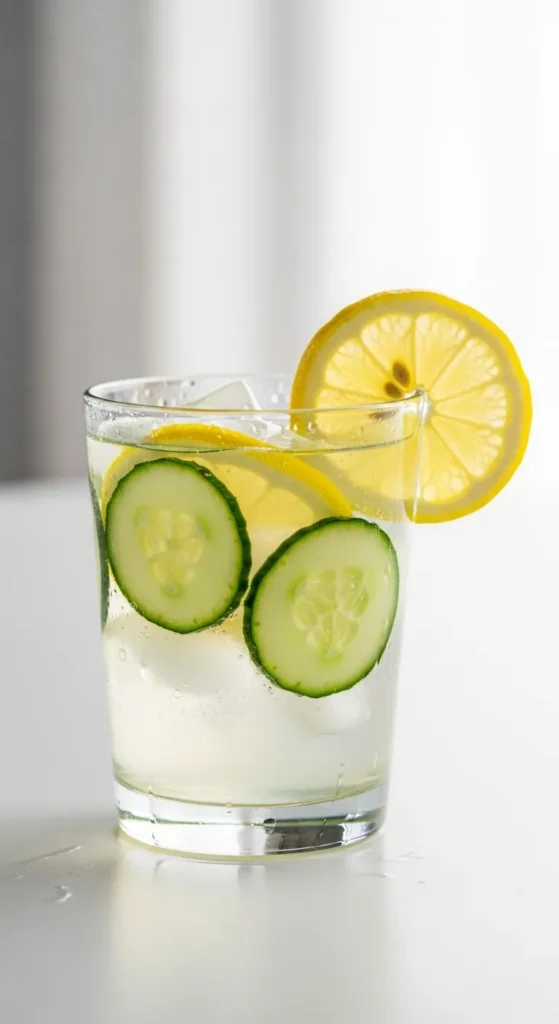
This image focuses on water-rich foods and hydration, an often-overlooked part of a 1000 calorie diet menu plan. Lemon water, cucumbers, and leafy greens visually emphasize low-calorie volume that supports fullness. Staying hydrated makes meals feel more satisfying without adding calories.
Proper hydration is critical for fat loss when calories are low. In a 1000 calorie diet menu plan, drinking enough water helps control hunger, improve digestion, and boost metabolism. Dehydration often feels like hunger, so consistent fluid intake prevents unnecessary snacking and keeps fat loss on track.
7. Protein Distribution for Faster Fat Burning
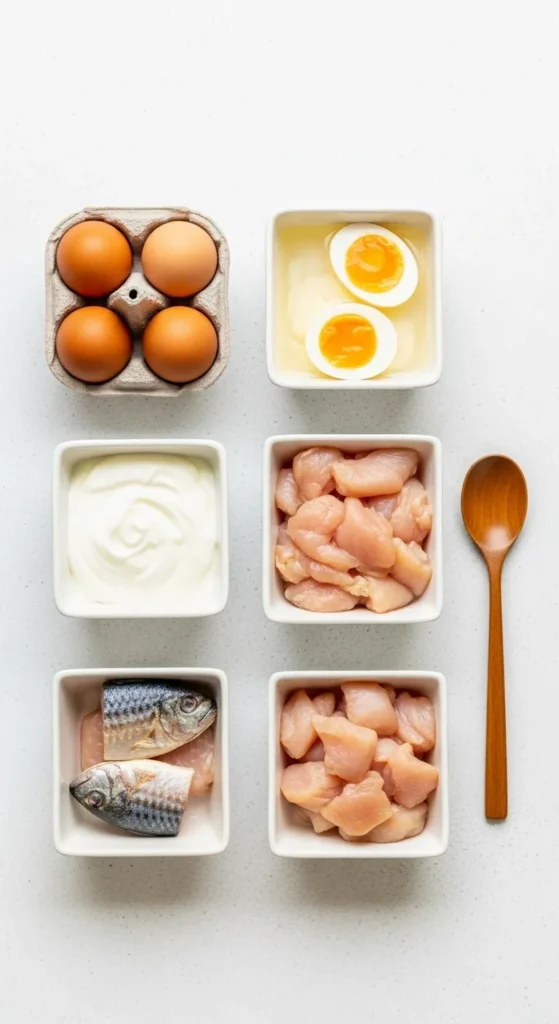
This image highlights even protein distribution across meals, essential in a 1000 calorie diet menu plan. Small portions of eggs, chicken, fish, or yogurt are shown to demonstrate balanced intake without excess calories. Visual portion control reinforces disciplined eating.
Spreading protein throughout the day helps preserve lean muscle during aggressive calorie reduction. In a 1000 calorie diet menu plan, protein protects metabolism and reduces muscle loss. This strategy increases satiety and ensures most weight lost comes from fat, not muscle.
8. Low Calorie Vegetables for High Volume Eating
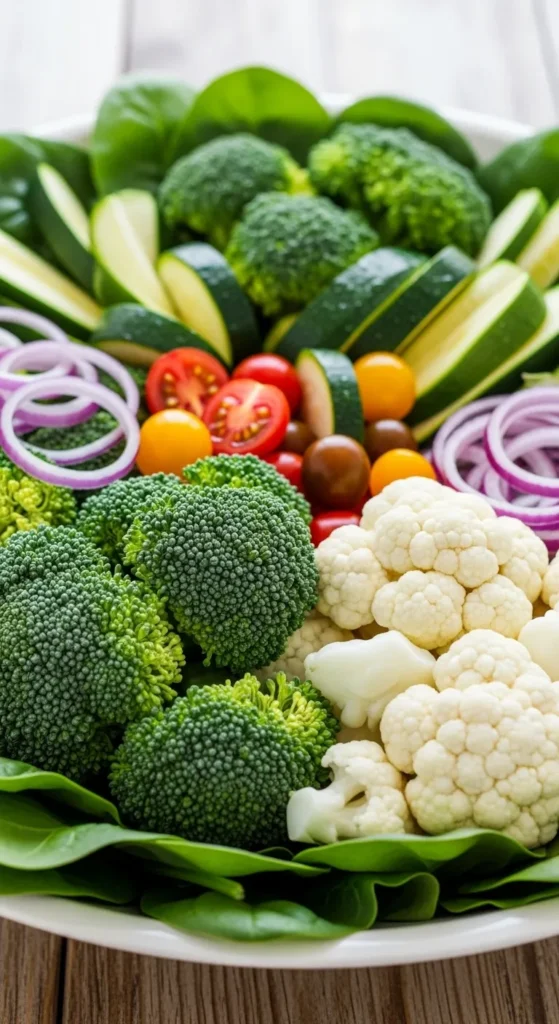
This image showcases high-volume, low-calorie vegetables like spinach, broccoli, zucchini, and cauliflower used in a 1000 calorie diet menu plan. Large portions look filling while remaining calorie-light, proving that volume eating supports fat loss.
Vegetables are the backbone of a 1000 calorie diet menu plan because they add bulk without calories. Fiber-rich foods slow digestion, control blood sugar, and reduce cravings. Eating more vegetables allows you to feel full while still maintaining the strict calorie deficit needed for fast fat loss.
9. Portion Control That Prevents Overeating
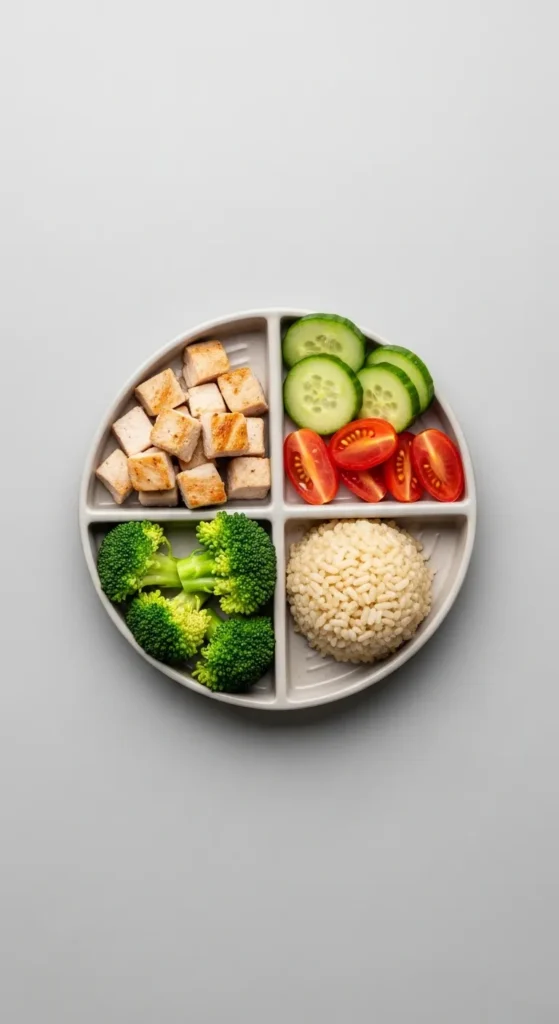
This image emphasizes measured portions and mindful plating, crucial for a 1000 calorie diet menu plan. Smaller plates and neatly arranged food visually train the brain to accept controlled portions. The setup promotes discipline and awareness.
Portion control is non-negotiable when following a 1000 calorie diet menu plan. Even healthy foods can stall fat loss if portions grow unchecked. Using structured portions helps maintain consistency, reduces calorie creep, and ensures results stay predictable and measurable.
To avoid hunger on a low-calorie plan, focus on high volume low calorie meals that let you eat more while consuming less.
10. Meal Timing for Energy and Fat Loss
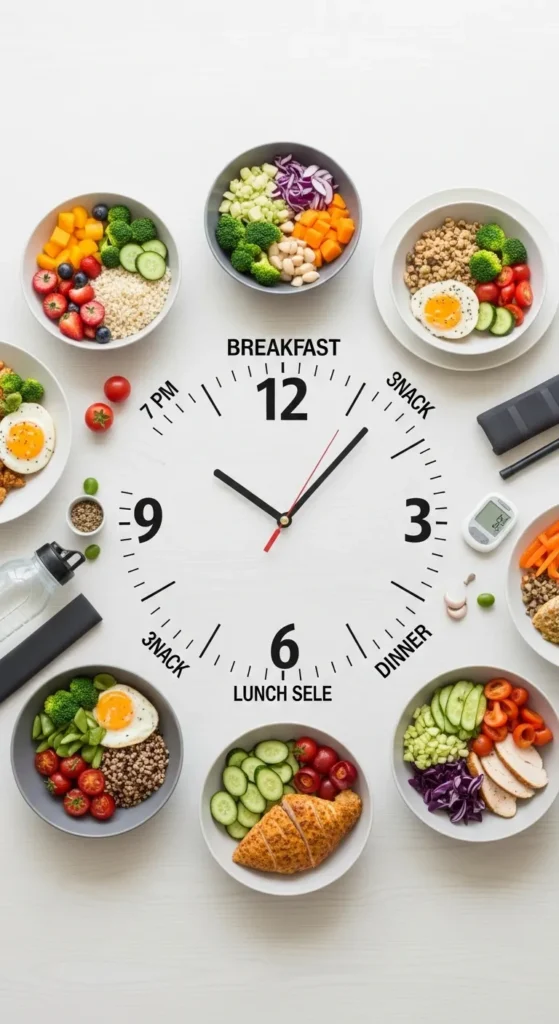
This image reflects structured meal timing, showing evenly spaced meals suitable for a 1000 calorie diet menu plan. Clocks and balanced plates visually reinforce routine and consistency. Timing meals correctly supports energy balance despite low calories.
Meal timing helps control hunger and energy dips in a 1000 calorie diet menu plan. Eating at consistent intervals prevents extreme hunger that leads to overeating. Structured timing improves adherence, making rapid fat loss more achievable without feeling completely deprived.
11. Sustainability and Safety of a 1000 Calorie Diet Menu Plan

This image focuses on long-term mindset and balance, symbolizing that a 1000 calorie diet menu plan should be used strategically, not permanently. Calm visuals reflect control, awareness, and responsible dieting rather than extremes.
A 1000 calorie diet menu plan can deliver fast results, but sustainability matters most. It works best as a short-term reset under guidance, followed by a gradual calorie increase. Listening to your body, prioritizing protein, and avoiding extreme fatigue ensures fat loss happens safely, effectively, and without rebound weight gain.
Conclusion
A 1000 calorie diet menu plan can be an effective short-term strategy for fast fat loss when it is followed with structure, balance, and awareness. Focusing on high-protein meals, high-volume vegetables, proper hydration, and controlled portions allows you to stay full while maintaining a strong calorie deficit. Smart meal timing and nutrient support further improve energy and consistency.
However, this approach should be used carefully and temporarily, not as a long-term lifestyle. Listening to your body, avoiding extreme hunger, and transitioning gradually to higher calories are key to maintaining results. When done correctly, a 1000 calorie diet menu plan can jumpstart fat loss while protecting health and preventing rebound weight gain.