
12 Best Low Calorie Milk Options for Daily Drinking
1. Almond Milk
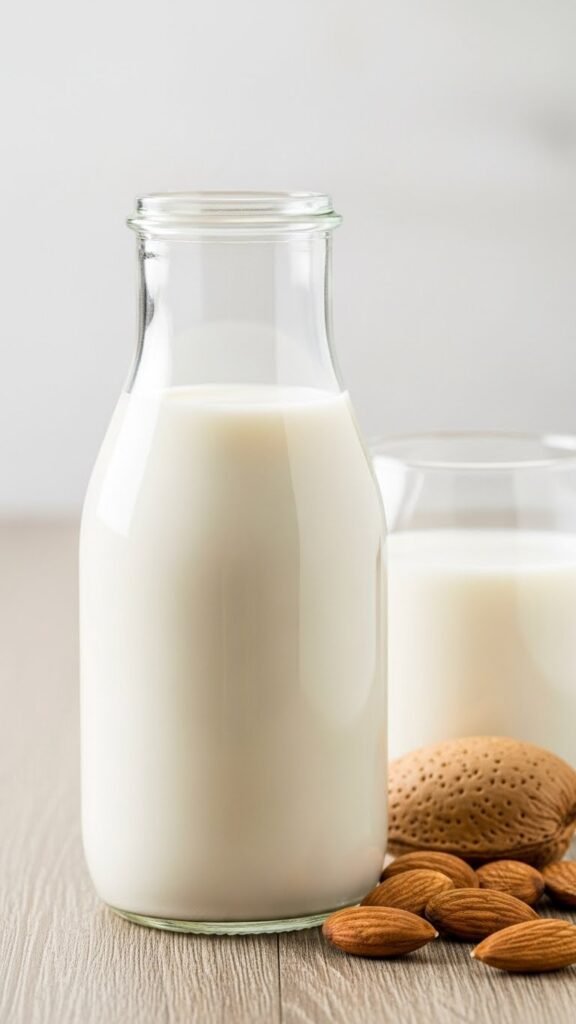
Low in calories and naturally lactose-free, almond milk is perfect for those reducing calorie intake. Unsweetened versions contain only 30–40 calories per cup, making it a popular choice for everyday drinking. It blends almonds with water, offering a light, nutty flavor that works well in cereals, smoothies, and coffee.
Rich in vitamin E and healthy fats, almond milk also supports heart and skin health. Low calorie milk While it’s lower in protein than cow’s milk, it’s versatile and can be fortified with calcium and vitamin D to make it a nutritious low-calorie alternative for daily consumption.
2. Soy Milk
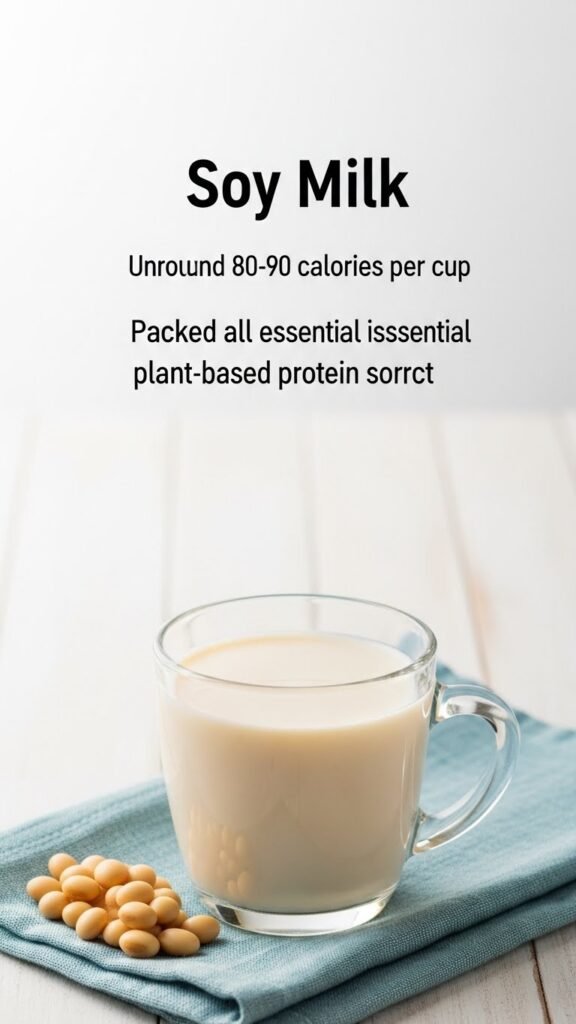
Soy milk is a plant-based milk rich in protein but low in calories. Unsweetened soy milk has around 80–90 calories per cup and provides all essential amino acids, making it a complete plant-based protein source. It’s ideal for smoothies, baking, or drinking straight.
Packed with isoflavones and heart-healthy nutrients, soy milk may help lower cholesterol. It is also lactose-free and often fortified with calcium and vitamins, making it a balanced low-calorie milk choice for everyday use without compromising on nutrition.
3. Oat Milk
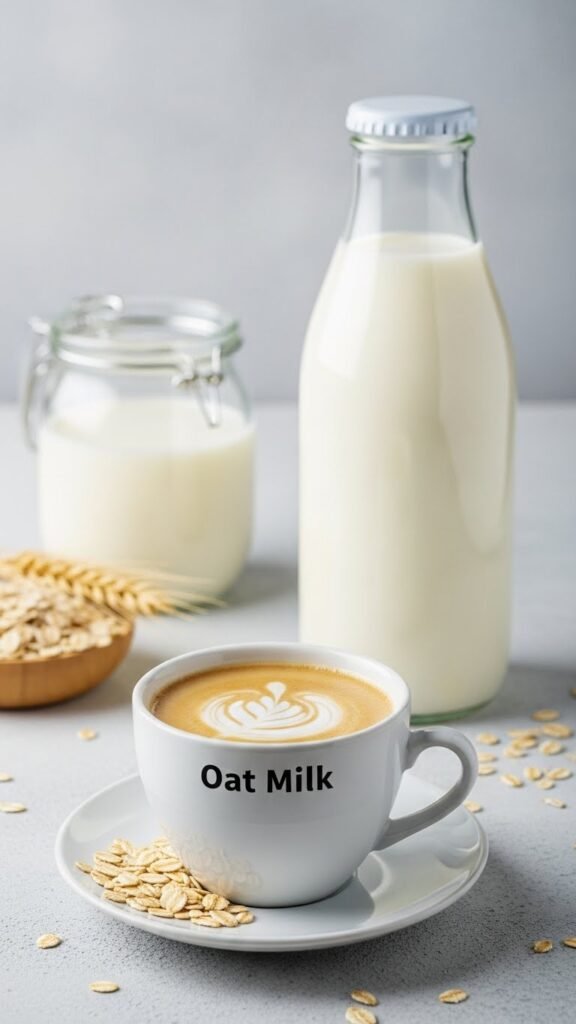
Oat milk offers a creamy, naturally sweet flavor while remaining low in calories. Unsweetened oat milk typically contains 60–80 calories per cup. It’s made by blending oats with water and straining, making it a popular alternative for lattes, cereals, and baking.
High in fiber and beta-glucans, oat milk supports digestion and heart health. Fortified versions also provide calcium and vitamin D. It’s an excellent low-calorie milk option for those seeking a sustainable and plant-based choice with a smooth, mild taste.
4. Coconut Milk
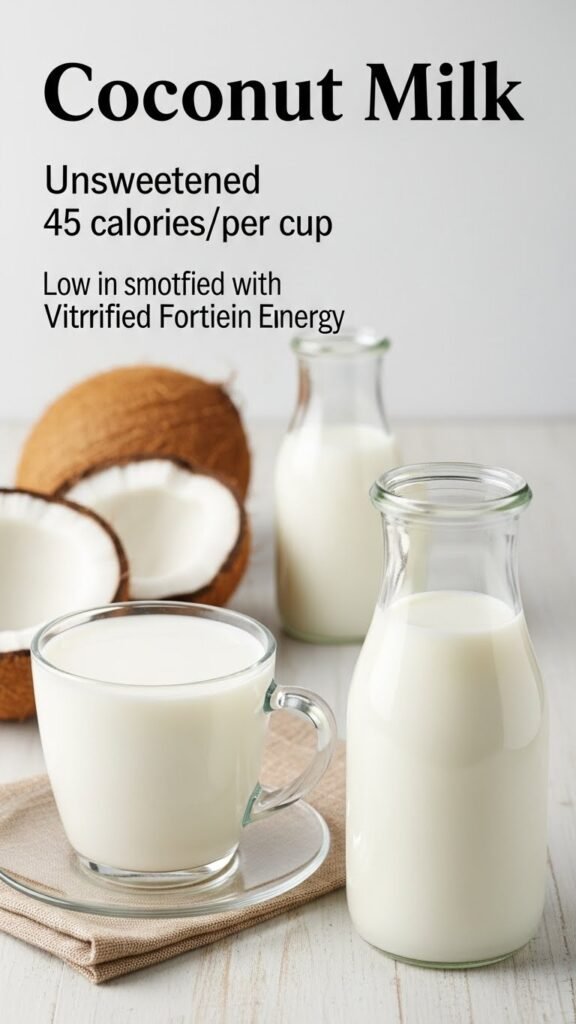
Coconut milk is a tropical, low-calorie milk option with a light, slightly sweet flavor. Unsweetened coconut milk contains about 45 calories per cup and is lactose-free, making it suitable for weight-conscious individuals and those with dairy sensitivities. It’s ideal in smoothies, coffee, or desserts.
Rich in medium-chain triglycerides (MCTs), coconut milk may support metabolism and energy. While low in protein, it provides a creamy texture and can be fortified with vitamins and minerals, making it a versatile and delicious addition to a low-calorie diet.
5. Skimmed Milk
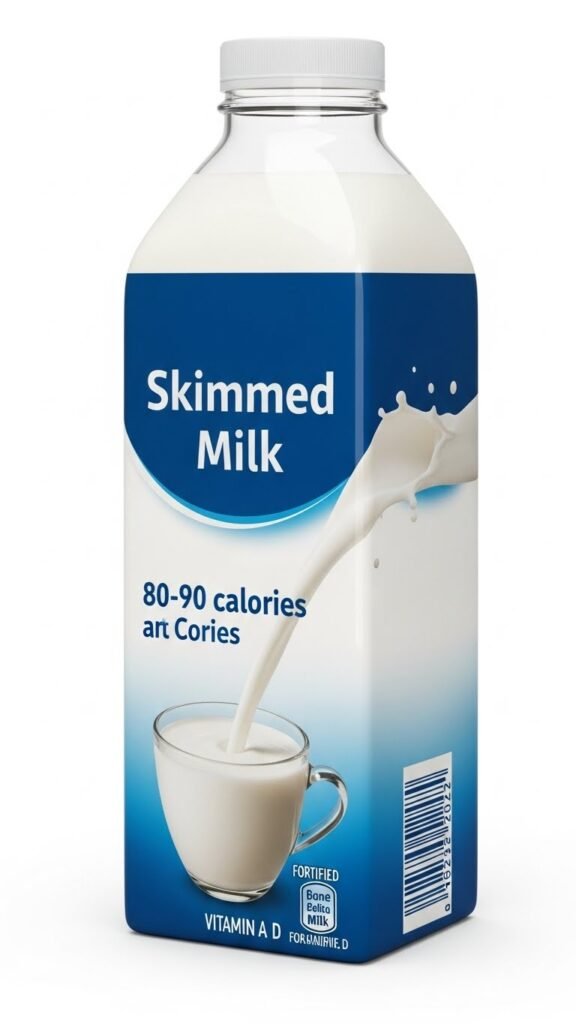
Skimmed milk is a classic low-calorie option, containing almost no fat. With around 80–90 calories per cup, it provides the same protein and calcium as whole milk but with fewer calories. It’s ideal for daily drinking, cereals, and coffee without adding extra fat.
Rich in protein and calcium, skimmed milk supports bone health and muscle maintenance. Low calorie milk It’s widely available and can be fortified with vitamins A and D. Skimmed milk remains one of the most convenient and nutritious low-calorie milk choices.
Cutting sugar doesn’t mean cutting joy — sugar-free snacks make it easier to stay on track without constant cravings.
6. Cashew Milk
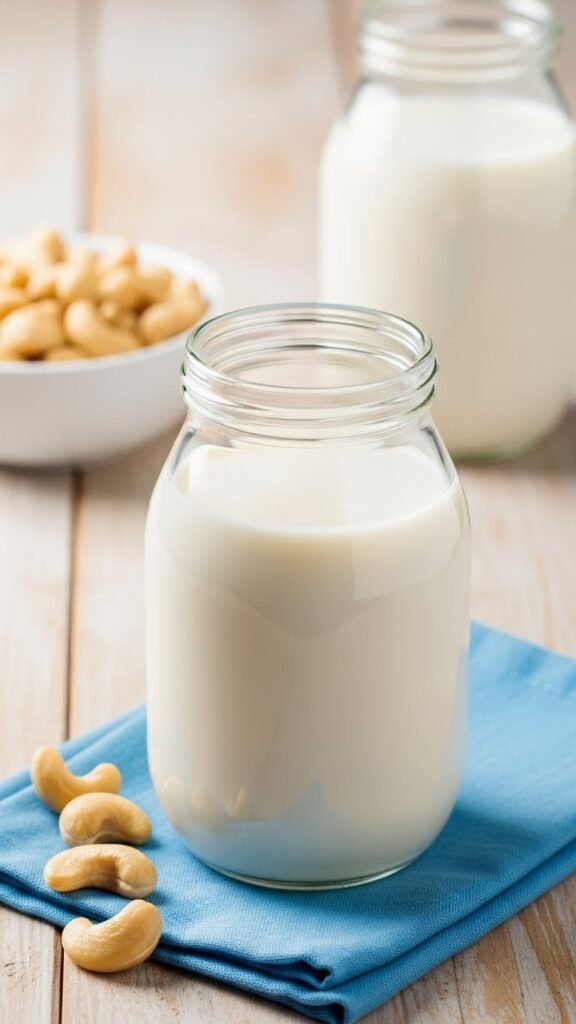
Cashew milk is a creamy, low-calorie alternative made from blended cashews and water. Unsweetened versions typically have only 25–40 calories per cup. Its mild, slightly nutty flavor makes it versatile for smoothies, cooking, and coffee.
Contains healthy fats and antioxidants, cashew milk promotes heart health. While lower in protein than cow’s milk, it is often fortified with calcium and vitamins, making it a nutritious and low-calorie option for daily consumption.
7. Rice Milk
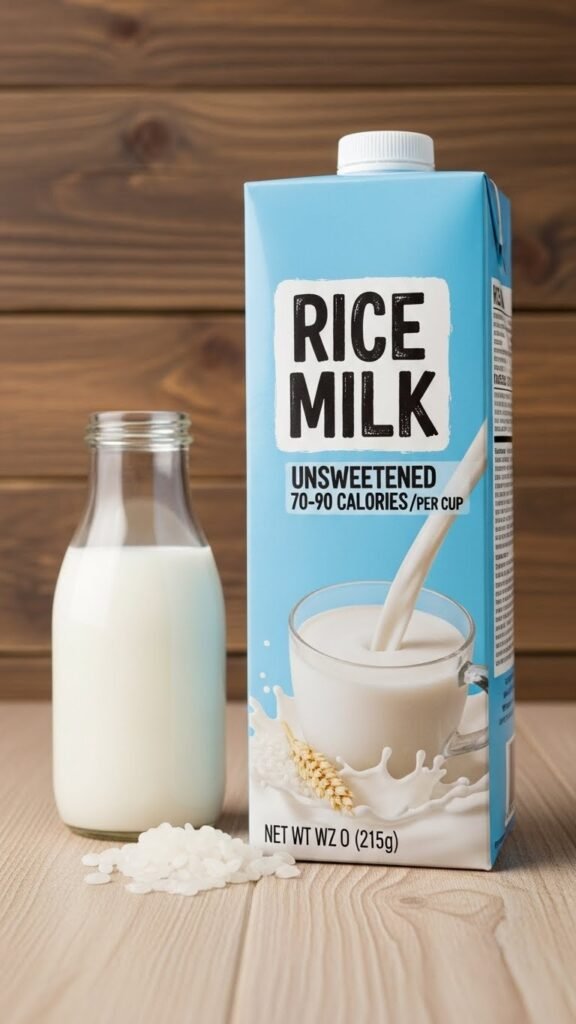
Rice milk is a plant-based milk that is naturally low in fat and calories. Unsweetened rice milk contains around 70–90 calories per cup and has a naturally sweet taste, making it suitable for cereals, smoothies, and desserts.
Easily digestible and lactose-free, rice milk is ideal for people with allergies or sensitivities. Although it’s low in protein, fortified versions provide calcium and vitamin D. Its light flavor and low-calorie profile make it a gentle, everyday milk alternative.
8. Hemp Milk
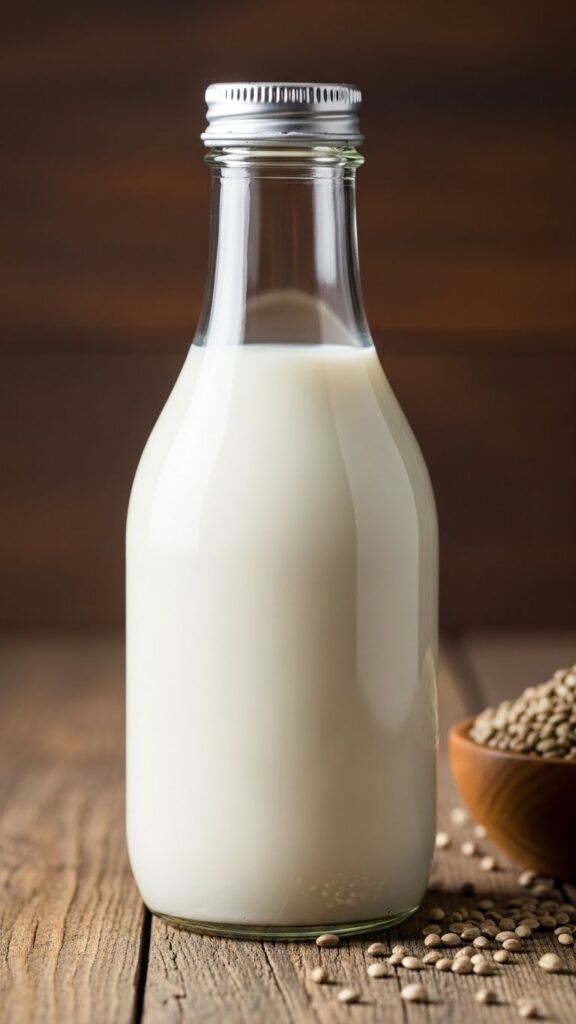
Hemp milk is a nutritious, low-calorie milk made from hemp seeds and water. Unsweetened hemp milk contains about 60–80 calories per cup and is rich in plant-based protein, omega-3 fatty acids, and essential minerals. It’s great for drinking, cereals, and smoothies.
Supports heart and brain health with its omega-3 content. Hemp milk is also lactose-free, dairy-free, and often fortified with calcium and vitamins, making it a balanced, low-calorie option for those seeking a plant-based milk alternative.
9. Flax Milk
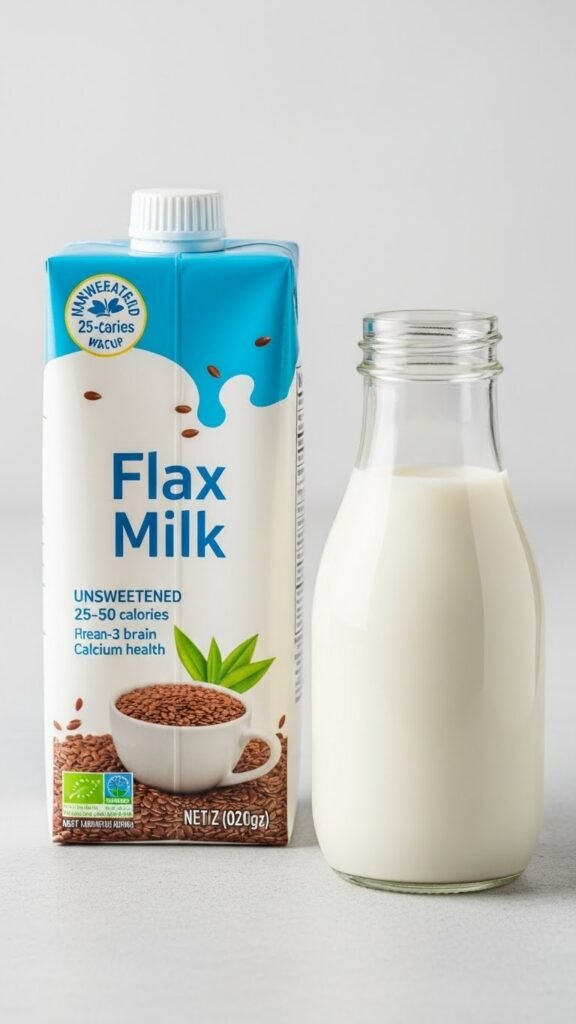
Flax milk is a plant-based, low-calorie milk made from flax seeds and water. Unsweetened versions typically have 25–50 calories per cup. It has a light, neutral flavor, making it ideal for cereals, smoothies, or coffee without altering taste.
Rich in omega-3 fatty acids, flax milk supports heart and brain health. It is also lactose-free and often fortified with calcium and vitamins, making it a nutritious, low-calorie alternative for daily drinking.
10. Pea Protein Milk
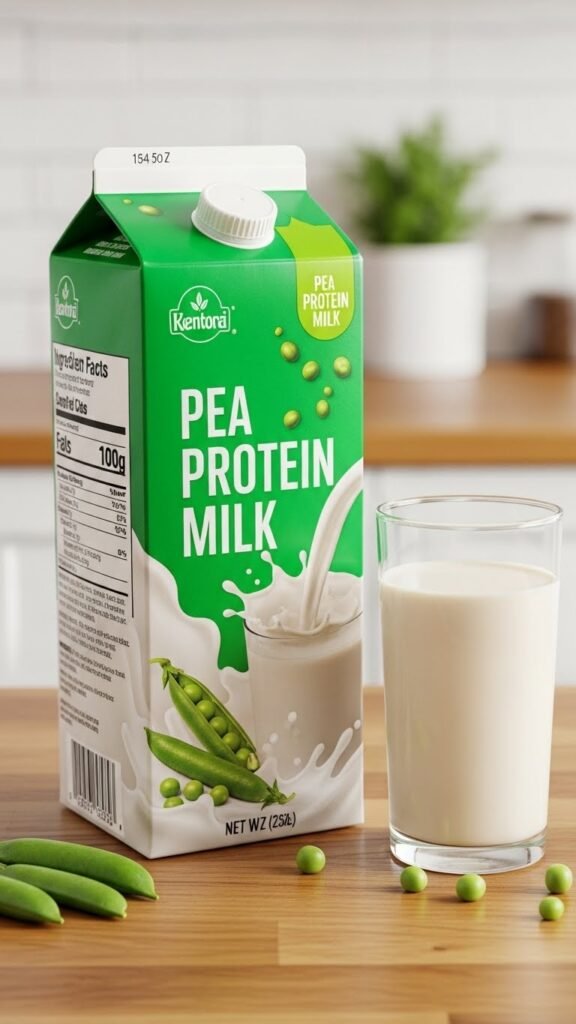
Pea protein milk is high in protein but low in calories, making it a great dairy alternative. Unsweetened versions contain around 70–80 calories per cup and provide all essential amino acids. It’s perfect for smoothies, coffee, or drinking straight.
Packed with protein and fortified with calcium and vitamins, it supports bone and muscle health. Pea protein milk is also lactose-free and plant-based, offering a creamy texture without adding unnecessary calories.
Smart weight loss snacks can keep cravings under control without killing your calorie deficit.
11. Macadamia Milk
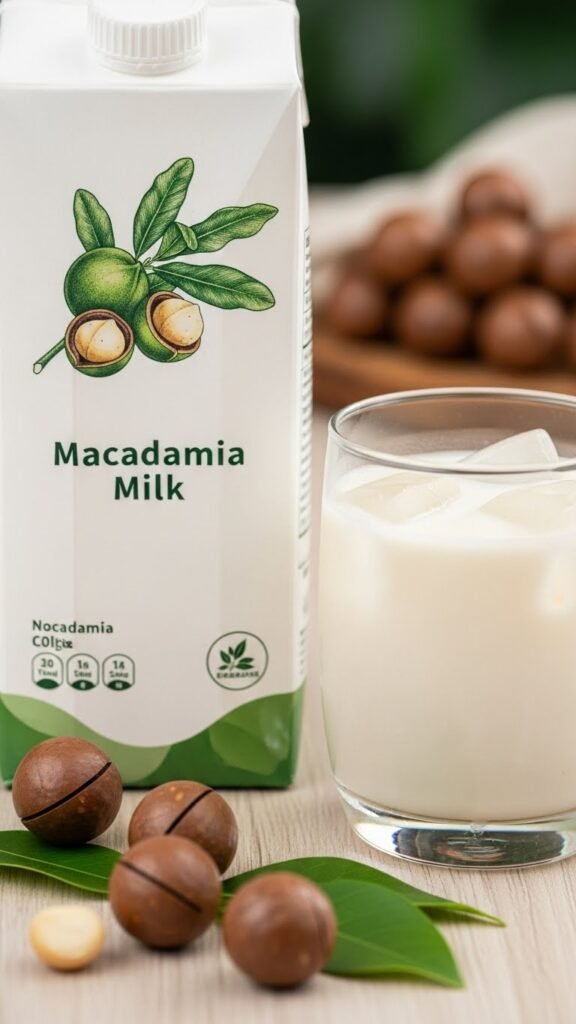
Macadamia milk is a rich, low-calorie milk option with a smooth, buttery flavor. Unsweetened macadamia milk contains about 50 calories per cup, making it ideal for those looking to enjoy creamy milk without extra calories.
Contains healthy fats and antioxidants, promoting heart health. It is lactose-free and often fortified with calcium and vitamins, making it a delicious and nutritious low-calorie alternative for daily use.
12. Low Fat Cow’s Milk
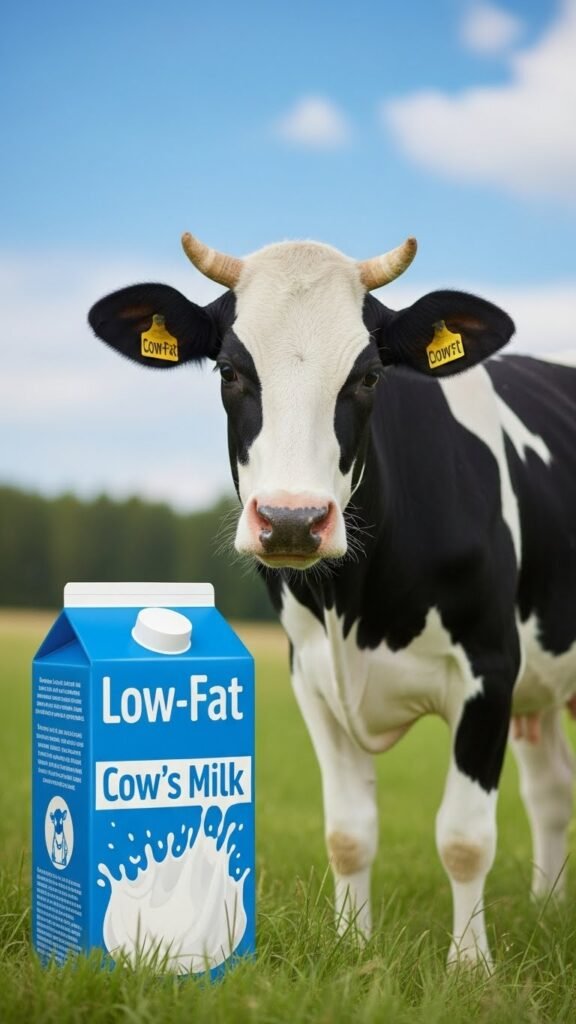
Low-fat cow’s milk offers the traditional taste of dairy with fewer calories. Typically, it contains around 100 calories per cup with 1–2% fat, retaining most of the protein and calcium of whole milk. It’s suitable for cereals, coffee, and general drinking.
Supports bone health and provides essential nutrients like vitamin B12 and riboflavin. Low-fat cow’s milk balances flavor, nutrition, and calorie control, making it a reliable option for those who want a familiar dairy taste while managing calorie intake.
Conclusion
Choosing the right low-calorie milk can make a big difference in maintaining a healthy diet without sacrificing taste. From almond and soy to oat, coconut, and even low-fat cow’s milk, there are options to suit every preference, dietary need, and lifestyle. Each milk type offers unique benefits, whether it’s heart-healthy fats, plant-based protein, or essential vitamins and minerals.
Incorporating these low-calorie milk options into your daily routine can help reduce calorie intake while still enjoying creamy, delicious beverages. Whether for smoothies, coffee, cereals, or baking, these milk alternatives make it easy to stay healthy, support bone and heart health, and enjoy versatile flavors without extra calories.