14 Smart 1200 Calorie Menu Plan That Melts Fat Fast
1: Balanced Breakfast, Light Lunch, Simple Dinner
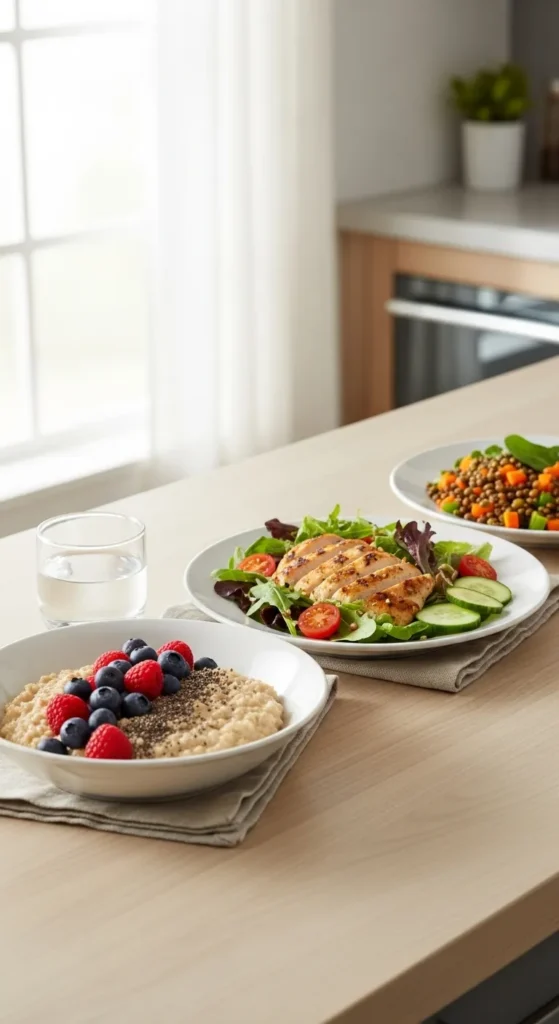
This start introduces a practical approach to a 1200 calorie menu plan by focusing on balance rather than restriction. Breakfast includes fiber-rich oats with fresh berries, helping control hunger and improve digestion. Lunch features lean grilled chicken with leafy greens, providing high-quality protein to support muscle maintenance and steady energy levels throughout the day.
Dinner remains light yet satisfying, combining lentils and sautéed vegetables to deliver plant-based protein, vitamins, and minerals. This approach keeps calories in check while promoting fullness, making it easier to stay consistent with a 1200 calorie menu plan designed for sustainable fat loss.
2: High Protein Start with Clean Comfort Foods
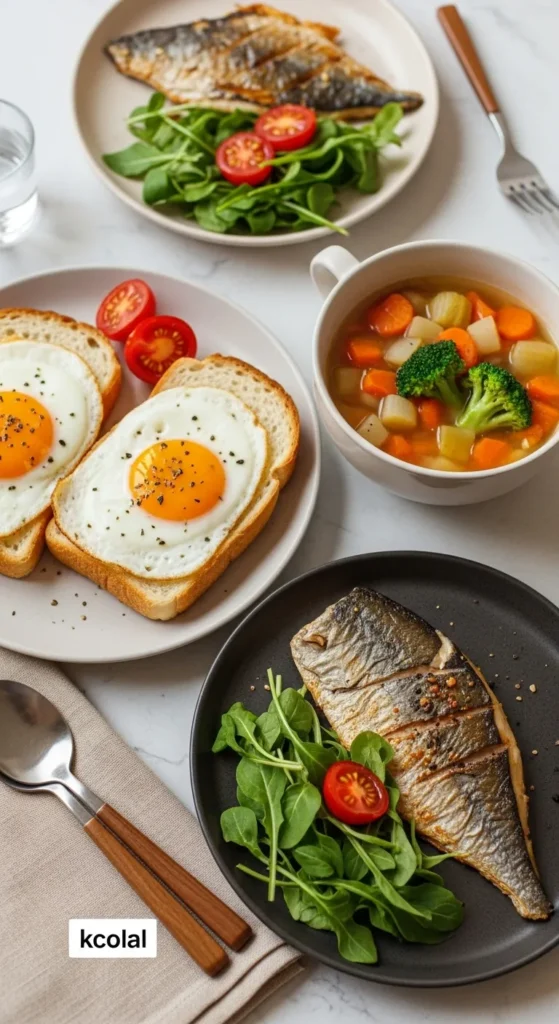
This section emphasizes protein-forward meals to stabilize blood sugar and reduce cravings. Breakfast includes eggs with whole-grain toast, offering a strong mix of protein and complex carbohydrates. Lunch focuses on a simple vegetable soup with added legumes, keeping calories low while increasing volume and satiety.
Dinner introduces grilled fish with steamed vegetables, supplying omega-3 fats that support metabolism and heart health. This layout shows how a 1200 calorie menu plan can feel comforting and filling without relying on heavy sauces or processed foods.
3: Fiber Rich Meals for Digestive Support

Here the focus is on high-fiber foods that improve digestion and prolong fullness. Breakfast features yogurt with seeds and fruit, combining probiotics with natural sweetness. Lunch includes a bean-based salad, offering slow-digesting carbohydrates and plant protein to maintain steady energy.
Dinner stays simple with stir-fried vegetables and tofu, keeping the meal light yet nutritious. By prioritizing fiber and whole foods, this 1200 calorie menu plan supports gut health while encouraging consistent fat loss.
4: Light Portions with Nutrient Density
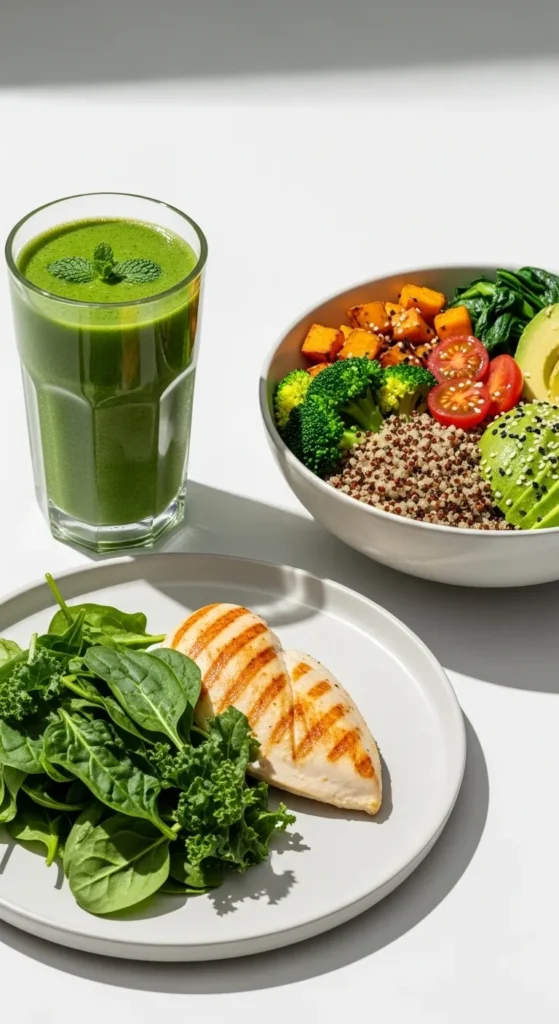
This section highlights nutrient-dense foods in controlled portions. Breakfast uses smoothies made with fruit and protein sources to deliver vitamins without excess calories. Lunch centers on grilled vegetables with quinoa, providing essential minerals and long-lasting energy.
Dinner includes lean protein paired with greens, ensuring the day ends without heaviness. This structure proves a 1200 calorie menu plan is about smarter ingredient choices, not extreme restriction.
5: Simple Meals for Long Term Consistency
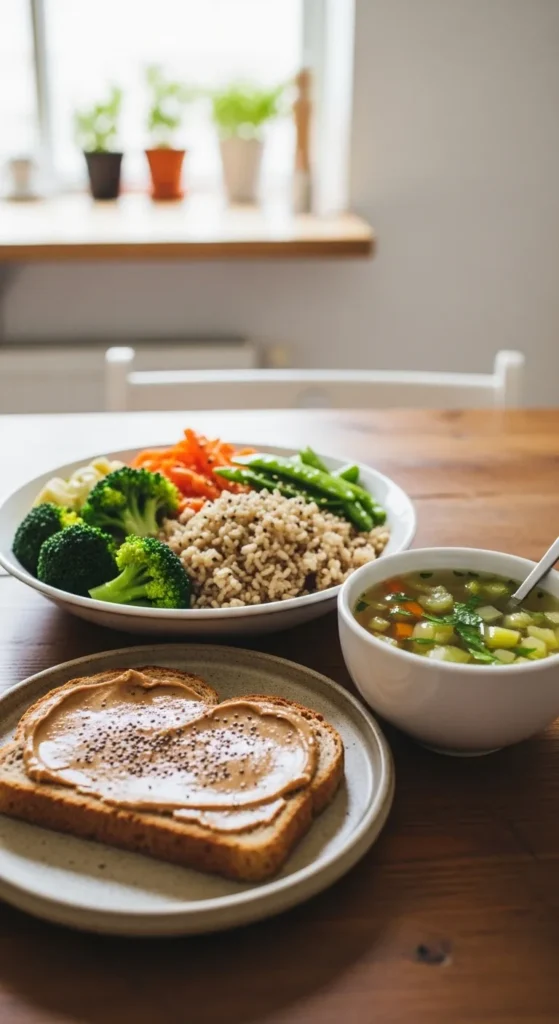
This plan is designed for easy preparation and daily consistency, ideal for busy routines. Breakfast includes toast with nut butter and fruit, offering healthy fats and quick energy. Lunch relies on a simple rice and vegetable bowl, keeping flavors clean and portions controlled.
Dinner features light soups or stews with lean protein, which increase fullness with fewer calories. This section reinforces how a 1200 calorie menu plan can be realistic, repeatable, and effective for long-term fat loss.
6: Low Carb Focus with Lean Proteins
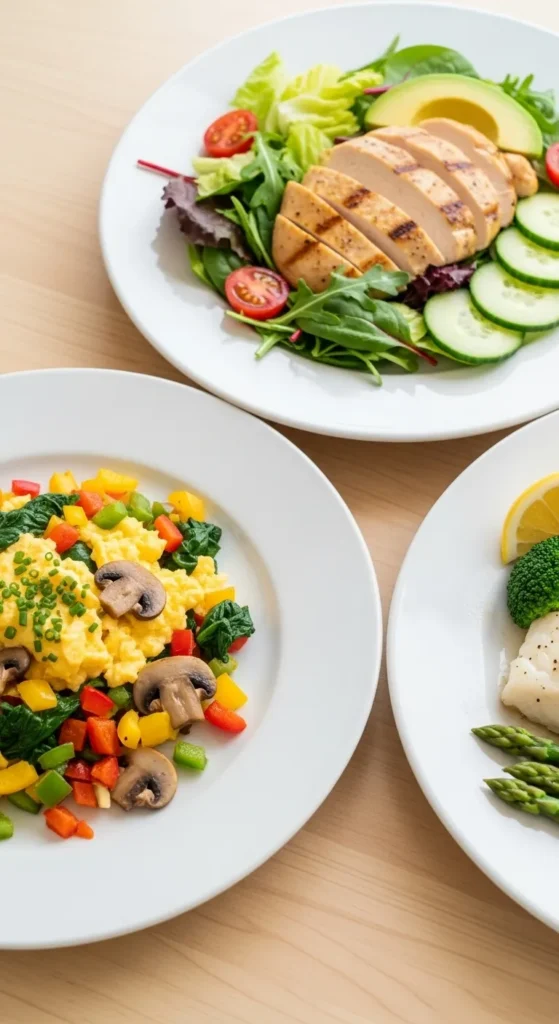
This section highlights a low-carb approach within a 1200 calorie menu plan to help reduce water retention and support faster fat loss. Breakfast includes eggs and vegetables, keeping carbs minimal while providing protein for satiety. Lunch centers on grilled chicken or paneer with salad, offering clean fuel without heavy calorie load.
Dinner stays light with steamed vegetables and tofu or fish, helping the body wind down without digestive stress. This setup is ideal for people who feel bloated on higher-carb meals and want a simpler, protein-led routine.
7: Vegetarian Friendly Fat Loss Meals

This plan proves a vegetarian 1200 calorie menu plan can still be effective and filling. Breakfast includes fruit with yogurt or plant protein, balancing sweetness with satiety. Lunch features lentils, beans, or chickpea bowls, delivering fiber and slow-digesting carbs that prevent energy crashes.
Dinner focuses on vegetable stir-fries with paneer or tofu, keeping meals warm and comforting without excess calories. This approach supports fat loss while meeting nutritional needs for plant-based eaters.
8: High Volume Foods for Fullness

This section uses high-volume, low-calorie foods to fight hunger. Breakfast includes smoothies or fruit bowls, adding bulk without excess calories. Lunch emphasizes soups, salads, and steamed vegetables, allowing larger portions while staying aligned with a 1200 calorie menu plan.
Dinner remains satisfying with brothy dishes and lean protein, helping you feel full on fewer calories. This style is ideal for those who struggle with portion control and need visual fullness to stay consistent.
9: Balanced Indian Style Meals
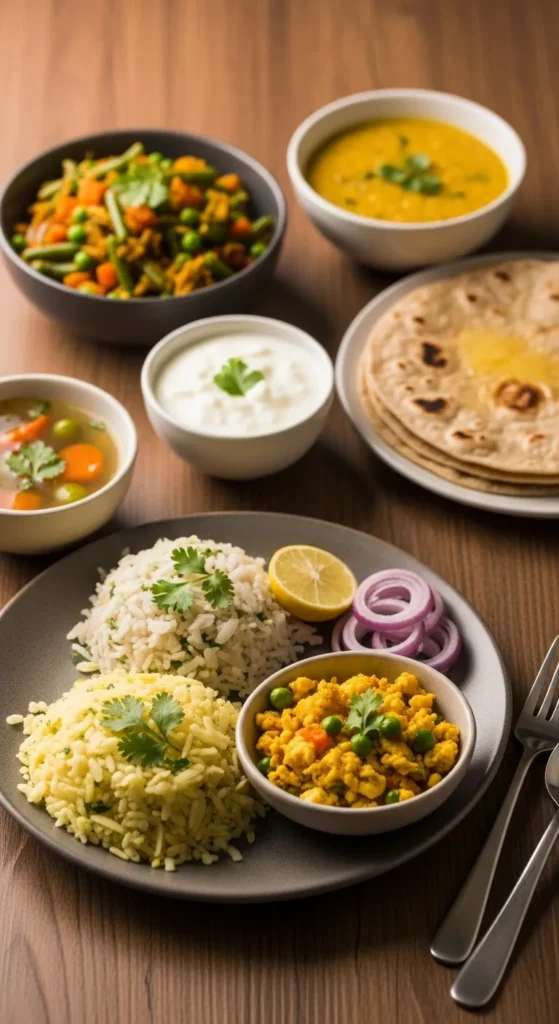
This plan adapts traditional flavors into a calorie-controlled structure. Breakfast includes light upma, poha, or eggs, keeping oil minimal. Lunch features roti or rice with dal and vegetables, maintaining cultural comfort while staying within a 1200 calorie menu plan.
Dinner is intentionally lighter with sabzi and curd or soup, reducing nighttime calorie load. This balance makes fat loss sustainable without feeling disconnected from familiar foods.
10: Minimal Cooking, Maximum Results
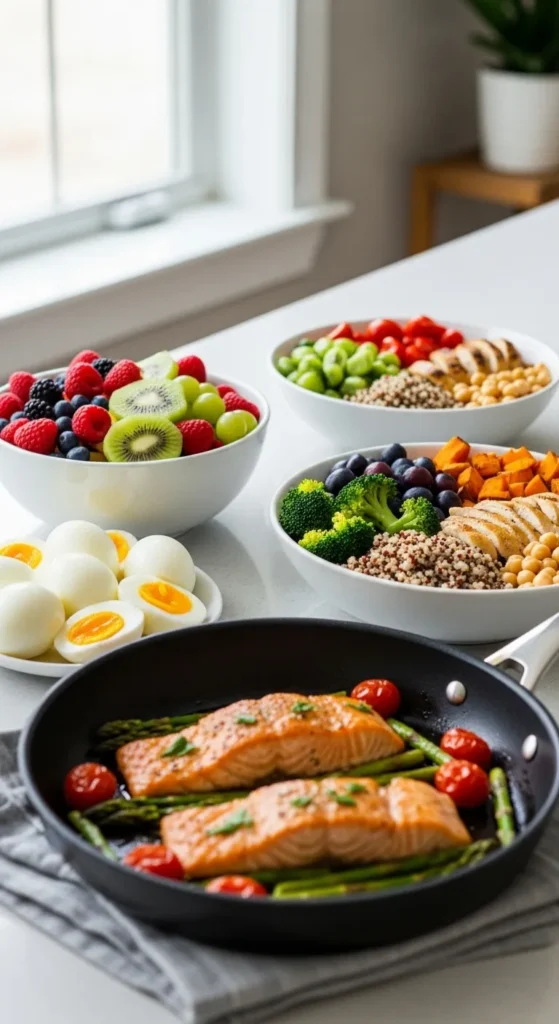
This section focuses on quick, low-effort meals for busy days. Breakfast uses ready-to-eat healthy options like fruit, yogurt, or boiled eggs. Lunch relies on simple bowls or wraps, reducing prep time while keeping calories controlled.
Dinner includes one-pan meals or soups, making cleanup easy and stress-free. This approach shows how a 1200 calorie menu plan can fit into real life without complicated recipes or burnout.
11: High Protein Dinners for Better Fat Loss

This section focuses on protein-heavy dinners to support muscle recovery and reduce late-night cravings. Breakfast stays light with fruit and yogurt, while lunch includes lean protein with vegetables, keeping energy steady through the day. Protein intake is evenly spread to align with a 1200 calorie menu plan.
Dinner highlights grilled chicken, fish, paneer, or tofu, paired with greens for volume. Ending the day with protein helps preserve lean mass and improves fat-burning efficiency while staying within calorie limits.
12: Light Meals to Reduce Bloating
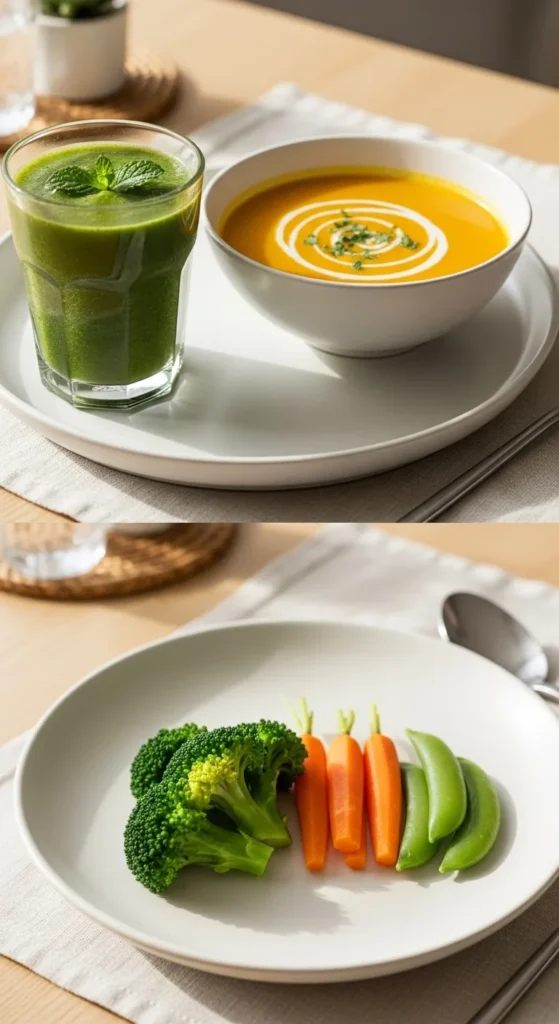
This plan emphasizes easy-to-digest foods that reduce bloating and discomfort. Breakfast includes simple smoothies or boiled eggs, avoiding heavy fats. Lunch centers on soups, steamed vegetables, and rice or roti in small portions, supporting digestion within a 1200 calorie menu plan.
Dinner remains gentle with broth-based meals or sautéed vegetables, preventing heaviness before sleep. This structure is ideal for those who experience water retention or digestive sensitivity during fat loss.
13: Weekend Friendly Flexible Eating

This section introduces flexibility without calorie overload. Breakfast includes slightly indulgent but controlled options like pancakes or toast with spreads. Lunch remains balanced with protein, carbs, and vegetables, keeping the 1200 calorie menu plan intact.
Dinner allows simple comfort foods in smaller portions, helping you enjoy weekends without guilt. This flexibility reduces burnout and supports long-term adherence to calorie-controlled eating.
14: Reset Day for Long Term Consistency

This final section works as a reset-focused eating pattern. Meals are simple, clean, and repetitive to reduce decision fatigue. Breakfast includes protein shakes or eggs, while lunch sticks to vegetables with lean protein, reinforcing the structure of a 1200 calorie menu plan.
Dinner is intentionally light with soups or salads, preparing the body for the next cycle. This reset approach helps restore discipline, reduce cravings, and maintain steady fat loss over time.
Conclusion
Following a 1200 calorie menu plan can be a powerful and practical way to support fat loss without extreme restriction. By focusing on balanced portions, high-protein meals, fiber-rich foods, and simple cooking methods, this plan helps control hunger, stabilize energy levels, and promote consistency. Each section is designed to make calorie control feel manageable rather than overwhelming.
The real success of a 1200 calorie menu plan lies in sustainability. When meals are satisfying, flexible, and aligned with daily routines, long-term fat loss becomes achievable. Use this structured approach as a guide, adjust portions when needed, and stay consistent to see steady, lasting results.