10 Essential Cooking Tips for Every Home Chef
Introduction
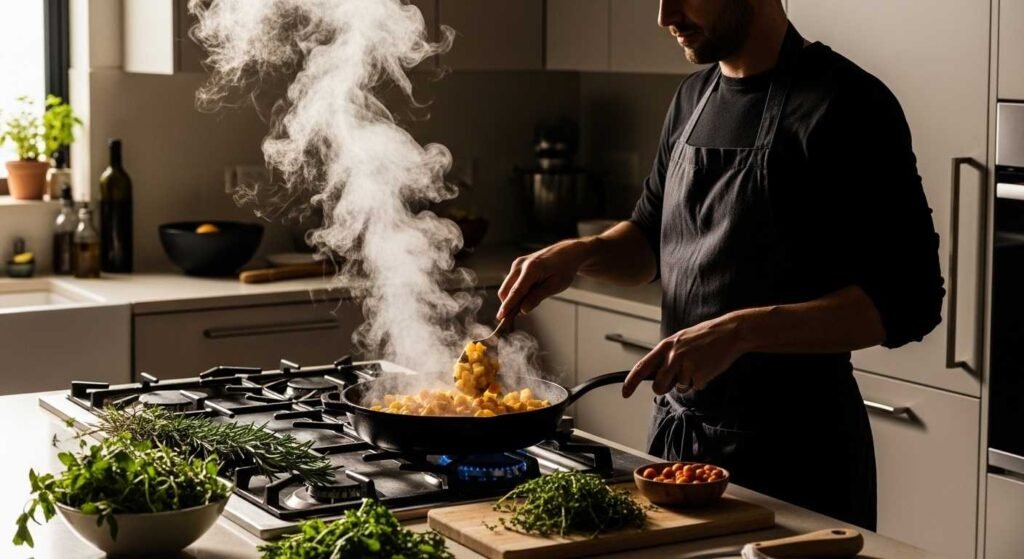
Let me guess—you love cooking, but sometimes the kitchen still humbles you, right? One day you feel like a pro, the next day your onions burn while you’re literally standing there. Been there. These cooking tips come from real-life trial, error, and a few “why did I do that?” moments.
Think of this article as a chill kitchen chat between two food lovers—no fancy chef jargon, no robotic advice, just practical cooking tips that actually make a difference. Ready to cook smarter and stress less? Cool, let’s do this. 🙂
1. Master Your Knife Skills (This One Changes Everything)
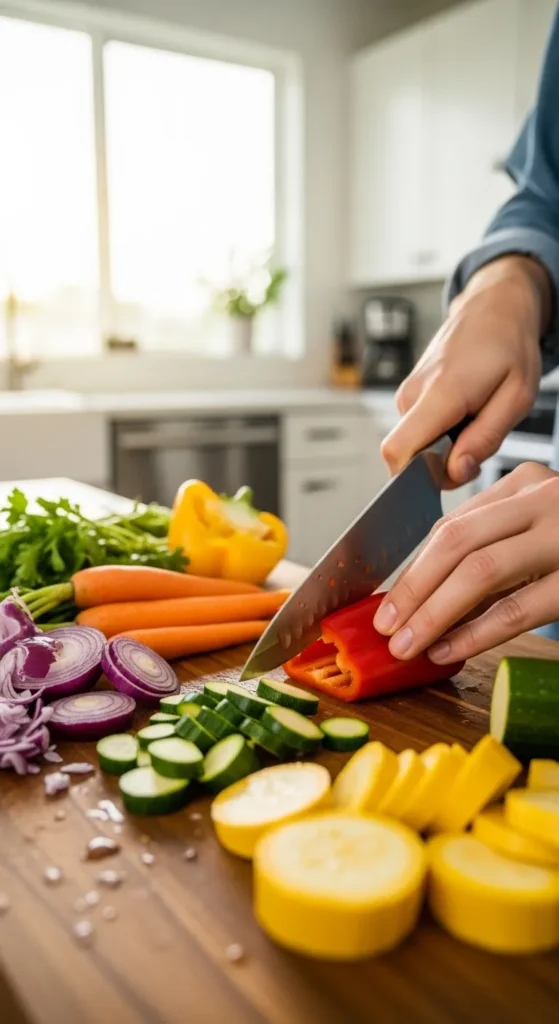
Let’s be honest—bad knife skills make cooking feel ten times harder than it needs to be. I learned this the slow way, chopping onions like I was fighting them. Once I fixed my knife technique, everything clicked. Faster prep, cleaner cuts, better results.
Good knife skills matter because even cuts cook evenly. When your vegetables sit at the same size, they don’t half-burn and half-stay-raw. That alone upgrades your food instantly.
Focus on these knife basics:
- Keep your knife sharp (a dull knife slips and causes accidents—no thanks)
- Use a stable cutting board with a damp towel underneath
- Curl your fingers inward to protect them while cutting
- Slice with control, not speed
This cooking tip isn’t about looking fancy. It’s about cooking with confidence and not dreading prep work. Once chopping feels smooth, cooking feels fun again.
2. Always Read the Full Recipe Before Cooking
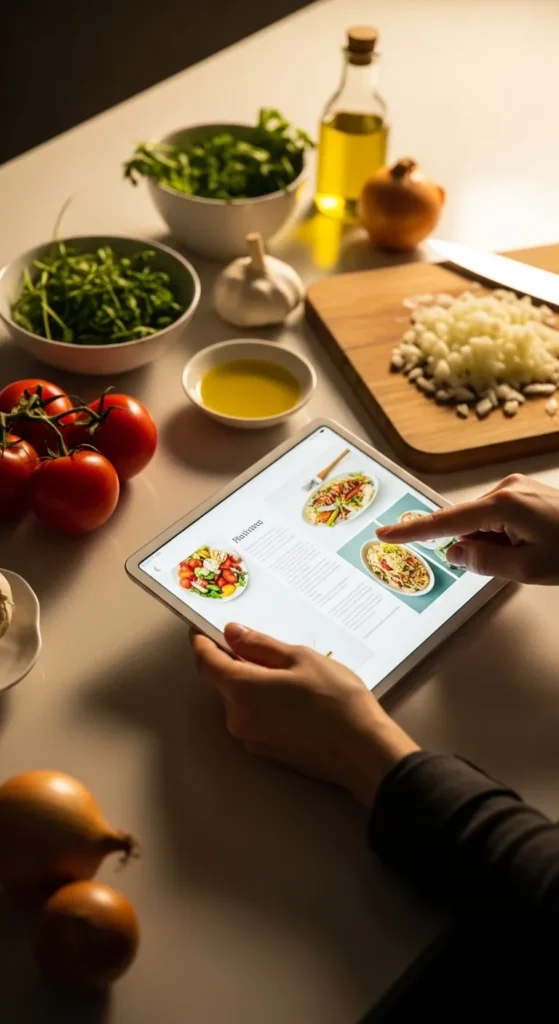
Skipping this step feels harmless—until it isn’t. I’ve ruined perfectly good meals by discovering too late that something needed chilling, resting, or marinating for hours. That frustration hits hard.
Reading the entire recipe first gives you context. You understand timing, steps, and flow before anything touches heat. That alone saves stress and mistakes.
Why this cooking tip matters so much:
- You avoid last-minute surprises
- You catch missing ingredients early
- You understand the cooking timeline
Ask yourself: Do I want to panic halfway through dinner? Nope. Reading ahead keeps you calm, focused, and in control.
3. Prep Everything Before Turning on the Stove
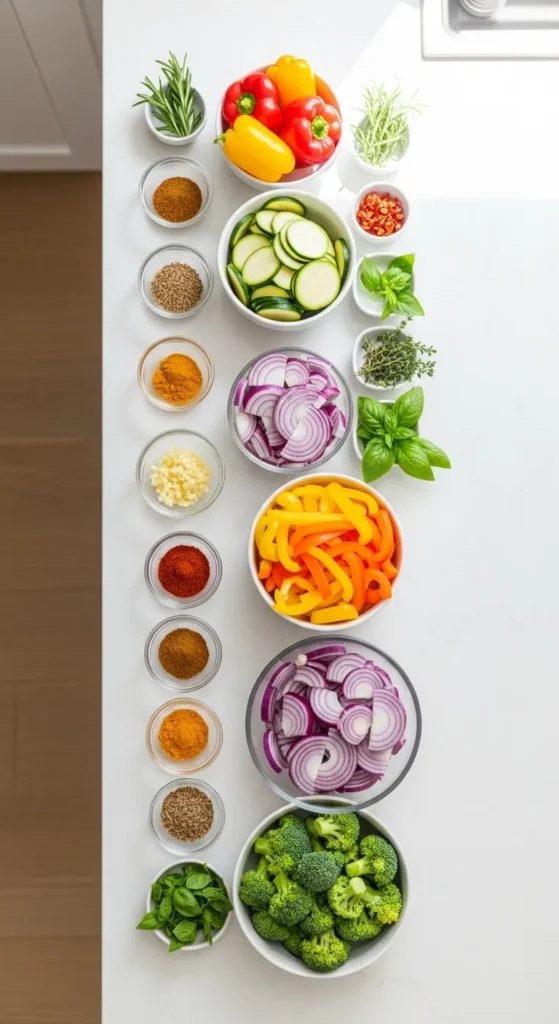
This tip sounds simple, but it’s a game-changer. Prepping first—also called mise en place—means chopping, measuring, and organizing everything before cooking starts.
Once heat enters the picture, things move fast. Garlic burns. Oil smokes. Spices need quick action. Prepping ahead gives you breathing room.
What prepping early helps you do:
- Cook without rushing
- Avoid burning ingredients
- Focus on flavor instead of scrambling
IMO, this cooking tip separates stressful cooking from smooth cooking. When everything waits patiently on the counter, you feel like the boss of the kitchen.
4. Season Gradually, Not All at Once
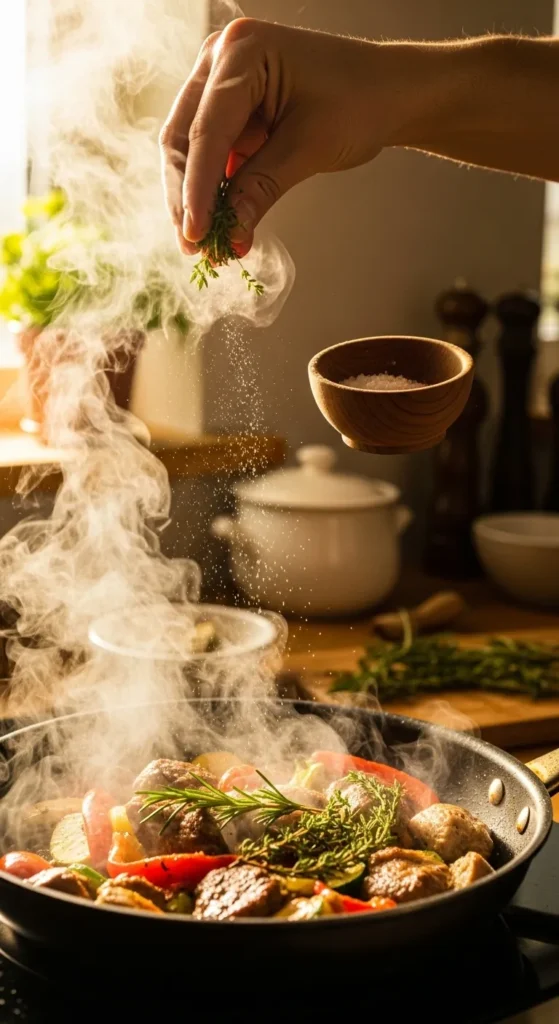
Dumping salt at the end won’t save bland food. I tried. It never works. The best cooks build flavor in layers, and seasoning plays a huge role.
Adding seasoning throughout cooking allows flavors to absorb and develop. Each layer tastes better because it supports the one before it.
Season smarter by:
- Adding salt early and lightly
- Tasting after every major step
- Adjusting slowly instead of guessing
Ever wondered why restaurant food tastes deeper and richer? This cooking tip explains it. Seasoning isn’t a final step—it’s a process.
5. Control Heat Instead of Letting It Control You
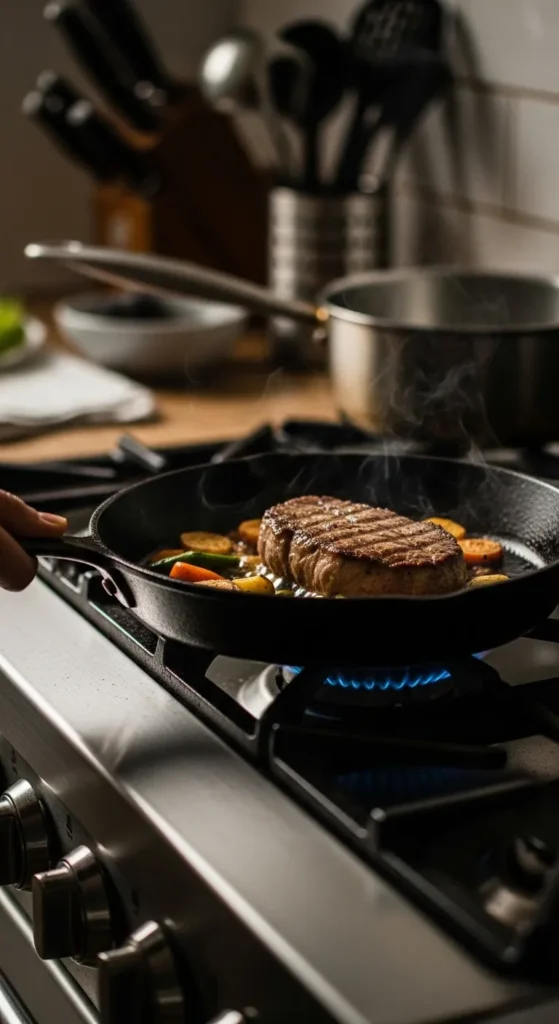
Heat decides whether your food shines or fails. I used to crank the stove up thinking faster meant better. Turns out, that’s how you burn the outside and undercook the inside.
Different foods need different heat levels. Learning when to turn it down changes everything.
Basic heat control rules:
- High heat for searing, not long cooking
- Medium heat for everyday cooking
- Low heat for sauces, eggs, and patience
If food sticks, burns, or cooks unevenly, heat usually causes the problem—not the recipe. Mastering this cooking tip instantly improves texture and flavor.
6. Taste Your Food Constantly (Your Tongue Is the Real Judge)
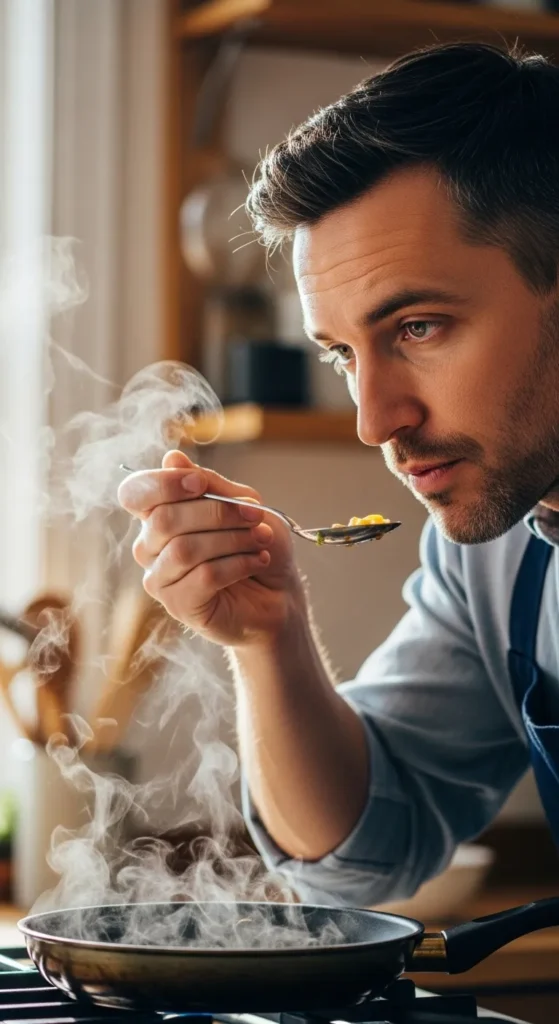
If you remember only one cooking tip from this list, let it be this one: taste everything. Recipes guide you, but your taste buds tell the truth. Ingredients change, brands differ, and even salt strength varies.
I taste before seasoning, after seasoning, and sometimes just to double-check. That habit saved more meals than any cookbook ever did.
Tasting helps you:
- Fix mistakes early, not at the table
- Balance flavors like salt, acid, and spice
- Trust your instincts instead of guessing
Ever wondered why something tastes “almost right” but not quite? Tasting gives you the answer every time.
7. Give Your Food Space (Crowded Pans Ruin Everything)
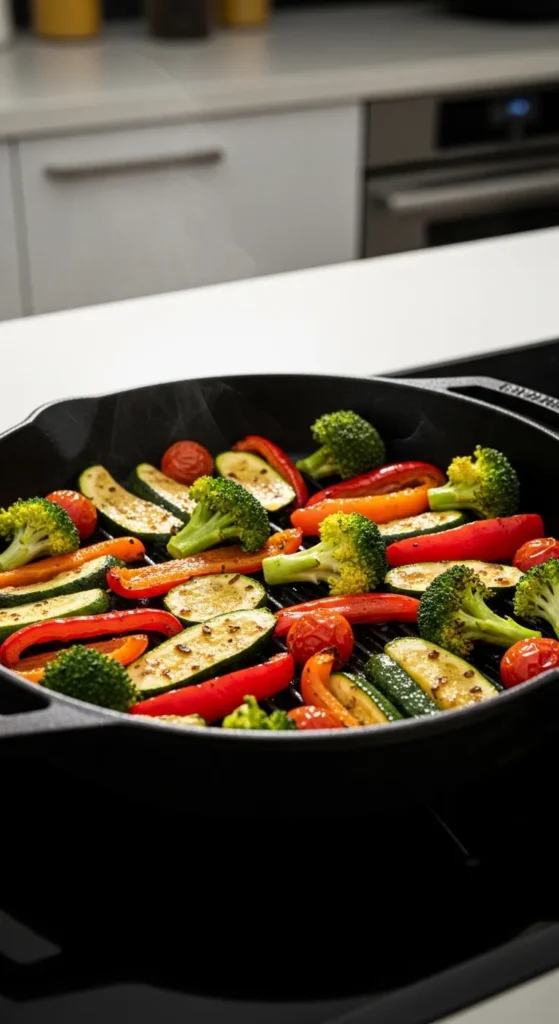
I used to pile everything into one pan because I hated doing dishes. Bad idea. When food sits too close together, it steams instead of browning—and steam kills flavor fast.
Browning creates deep flavor, and that only happens when heat hits the surface properly.
Why space matters so much:
- Crispier texture
- Even cooking
- Better caramelization
If your food looks pale and watery instead of golden and delicious, your pan feels overcrowded. Cook in batches—it’s annoying, but the results speak for themselves.
8. Master Basic Techniques Before Fancy Ones
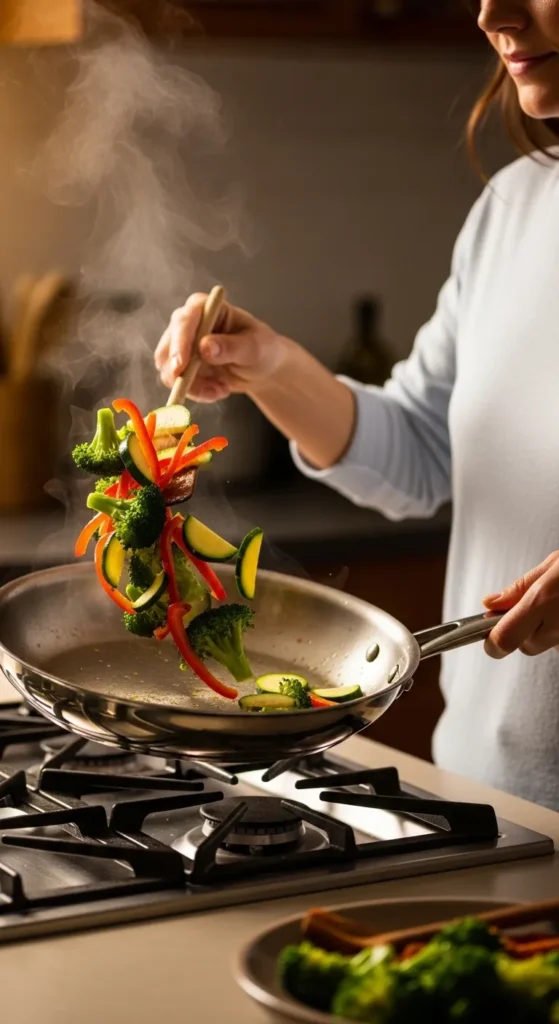
You don’t need complicated techniques to cook great food. I chased trendy methods early on and skipped the basics. That slowed my progress big time.
Once I mastered simple skills like sautéing and roasting, everything else became easier and faster.
Start by perfecting:
- Sautéing vegetables without burning
- Roasting proteins evenly
- Making a simple pan sauce
This cooking tip saves time, money, and frustration. Strong fundamentals beat flashy techniques every single day.
9. Clean as You Cook (Future You Will Be Grateful)
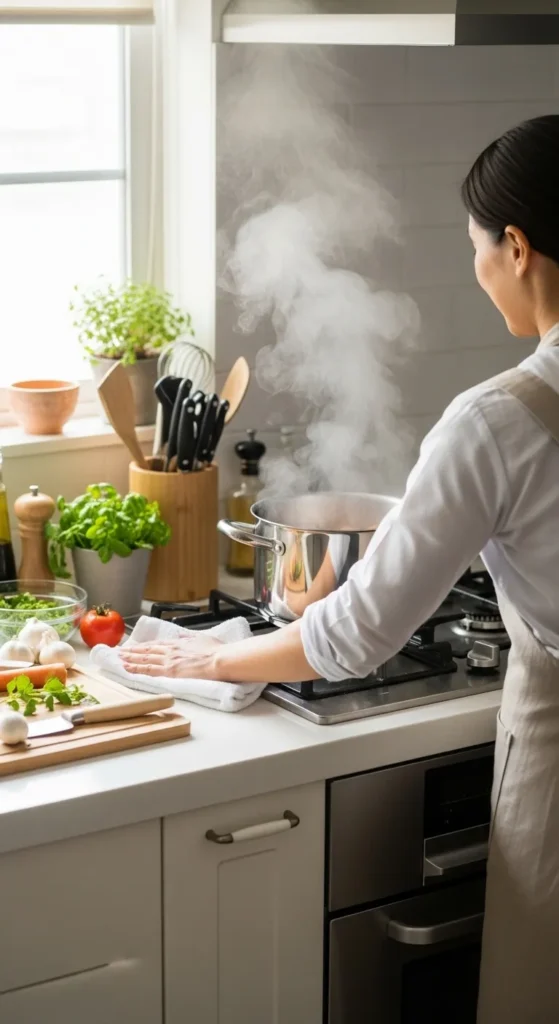
Nothing ruins post-dinner vibes faster than a disaster-zone kitchen. Cleaning as you cook sounds boring, but it completely changes the experience.
I wash tools during downtime and wipe counters while things simmer. It keeps chaos from taking over.
Why this habit works:
- Less stress after cooking
- More workspace while cooking
- A calmer kitchen mindset
FYI, a clean space actually helps you cook better. When the kitchen feels organized, your brain follows.
10. Cook Often Confidence Comes From Repetition
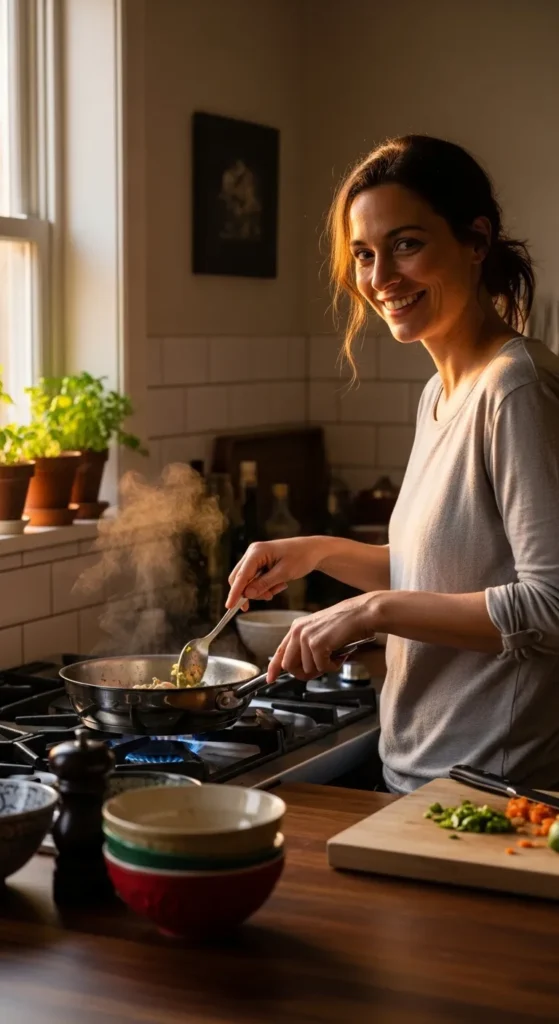
No cooking tip beats repetition. Cooking regularly builds instinct, confidence, and problem-solving skills. You learn faster by doing, not reading.
I messed up plenty of meals before things clicked—and that’s normal. Every mistake teaches you something valuable.
Consistent cooking helps you:
- Understand heat and timing
- Improve flavor balance naturally
- Build real confidence in the kitchen
Cooking isn’t about perfection. It’s about showing up, trying again, and enjoying the process. Do that, and improvement becomes inevitable. 🙂
Final Thought
Cooking isn’t about being perfect or cooking like a TV chef—it’s about showing up in your kitchen and enjoying the process. Some days you’ll nail it, and some days you’ll burn the garlic (again). That’s normal. What matters is that every meal teaches you something new.
Use these cooking tips as tools, not rules. Experiment, taste, adjust, and trust yourself. The more you cook, the more confident you become—and that confidence shows up on the plate. So turn on the stove, make a little mess, and have fun with it. Great food doesn’t come from fear; it comes from practice and curiosity. 🍳