
13 Calories Burned by Heart Rate That Boost Fitness Fast
1. How Heart Rate Connects to Calorie Burn

Your heart rate rises when your body needs more oxygen to fuel working muscles. The faster your heart beats, the harder your body works, leading to more calories burned by heart rate. This connection makes heart rate a reliable indicator of workout intensity and energy use.
Monitoring heart rate helps you understand whether you are exercising lightly or pushing hard. Staying within the right range allows you to maximize calorie burn, improve endurance, and avoid overtraining while still getting effective results.
2. Resting Heart Rate and Daily Energy Use

A lower resting heart rate usually means your heart is more efficient, often seen in fitter individuals. This efficiency affects how your body manages calories burned by heart rate even during rest and daily activities.
People with a healthier resting heart rate tend to burn calories more efficiently during exercise. Improving cardiovascular fitness can gradually lower resting heart rate, helping the body use energy better throughout the day.
3. Low Heart Rate Zones and Fat Burning

Low heart rate zones are commonly linked with fat-focused workouts. In this range, the body relies more on fat stores, contributing to steady calories burned by heart rate over longer periods.
While calorie burn per minute is lower, exercising longer in this zone can still be effective. It is ideal for beginners or recovery days, offering sustainable fat loss without excessive strain on the body.
4. Moderate Heart Rate for Steady Calorie Burn

Moderate heart rate zones balance intensity and endurance, making them popular for general fitness. In this range, calories burned by heart rate increase steadily while still allowing longer workout sessions.
This zone is effective for improving cardiovascular health and supporting weight management. It helps burn a significant number of calories while remaining manageable for most people, especially during brisk walking or light jogging.
Understanding your heart rate zones makes more sense when paired with a calorie deficit strategy that actually supports fat loss, not burnout.
5. High Heart Rate and Rapid Calorie Loss

High heart rate zones push the body to work at maximum capacity. In this range, calories burned by heart rate increase quickly because the body demands more energy in a shorter time.
Although workouts are shorter, the calorie burn is intense. This zone is best for advanced fitness levels and should be used carefully to avoid fatigue or injury.
6. Heart Rate Zones Explained for Beginners
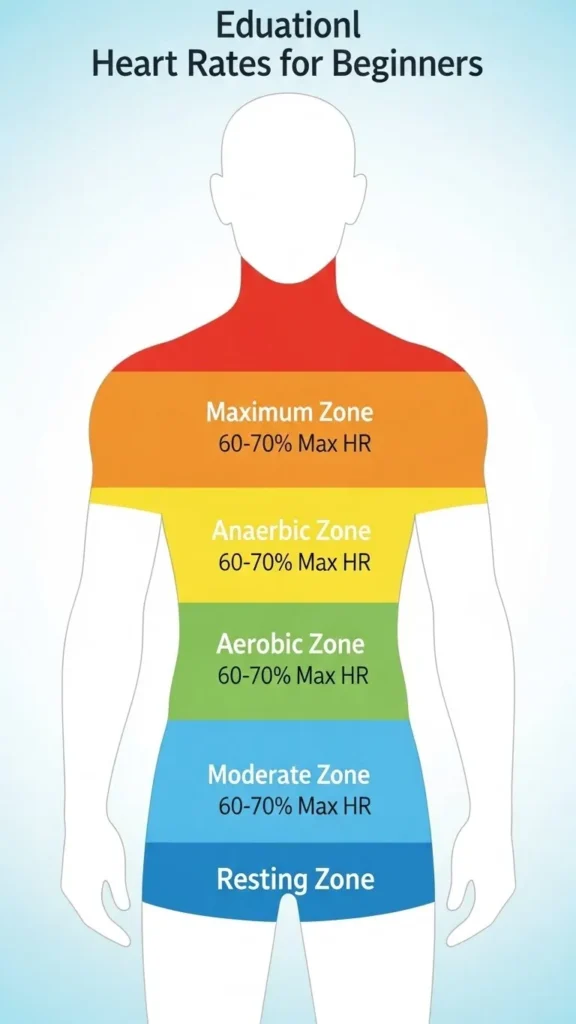
Heart rate zones divide exercise intensity into clear levels, making it easier to understand calories burned by heart rate. These zones help beginners choose workouts that match their fitness goals safely.
Starting with lower zones builds endurance and confidence. Over time, gradually moving to higher zones improves calorie burn while reducing the risk of overexertion.
7. Age, Heart Rate, and Calories Burned
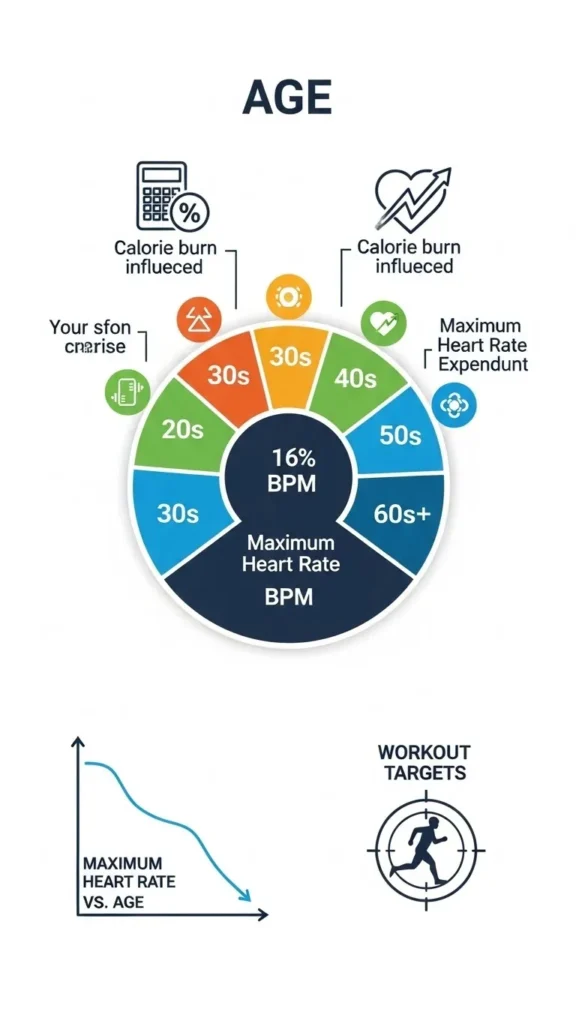
Age affects maximum heart rate, which influences how calories burned by heart rate are calculated. As people age, their maximum heart rate naturally decreases.
Understanding age-based heart rate limits helps set realistic workout targets. Exercising within the correct range ensures effective calorie burn without unnecessary stress on the heart.
8. Fitness Level and Heart Rate Efficiency
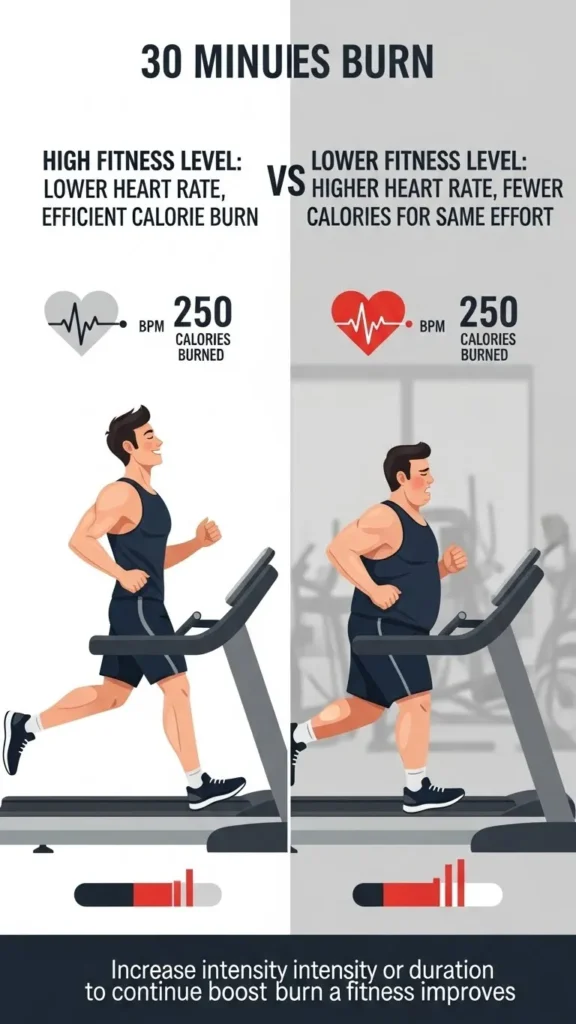
Fitter individuals often have a lower heart rate at the same activity level. This efficiency changes how calories burned by heart rate are measured during workouts.
As fitness improves, the heart works smarter, not harder. Increasing workout intensity or duration may be needed to continue boosting calorie burn and progress.
9. Cardio Workouts and Heart Rate Impact

Cardio exercises like running, cycling, or swimming quickly raise heart rate. This leads to higher calories burned by heart rate as the body continuously supplies oxygen to active muscles.
Sustained cardio keeps the heart rate elevated, helping burn calories consistently. Choosing activities you enjoy makes it easier to stay in the optimal heart rate range longer.
10. Strength Training and Heart Rate Changes

Strength training causes short spikes in heart rate during intense sets. These spikes contribute to overall calories burned by heart rate, even if the workout feels slower.
Lifting weights also increases muscle mass, which supports higher calorie burn over time. Combining strength training with cardio creates balanced and effective energy use.
Post-workout recovery is easier when you fuel smart with weight-loss snacks that won’t cancel out the calories you just burned.
11. Wearable Trackers and Heart Rate Accuracy
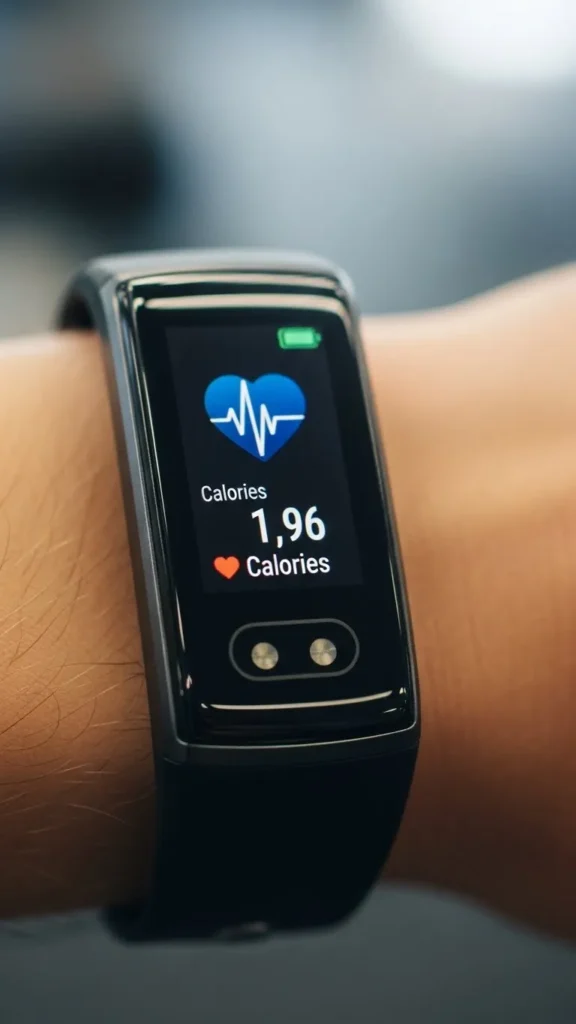
Wearable devices estimate calories burned by heart rate using sensors and algorithms. They provide helpful insights into workout intensity and energy expenditure.
While not perfectly accurate, trackers are useful for spotting trends. Consistent use helps adjust workouts and maintain steady progress toward fitness goals.
12. Common Myths About Heart Rate and Calories
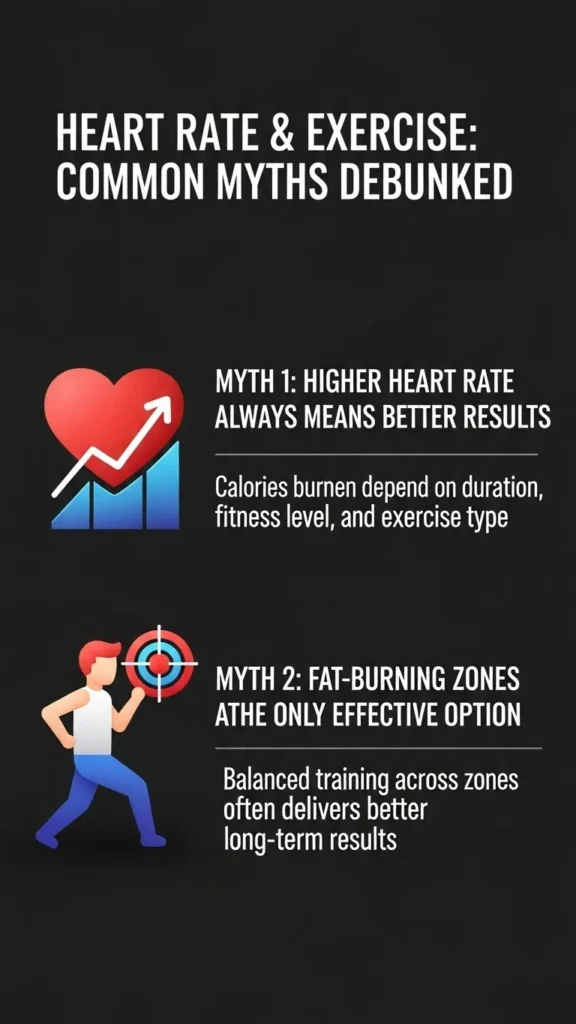
A common myth is that higher heart rate always means better results. In reality, calories burned by heart rate depend on duration, fitness level, and exercise type.
Another misconception is that fat-burning zones are the only effective option. Balanced training across zones often delivers better long-term results.
13. How to Optimize Calories Burned by Heart Rate
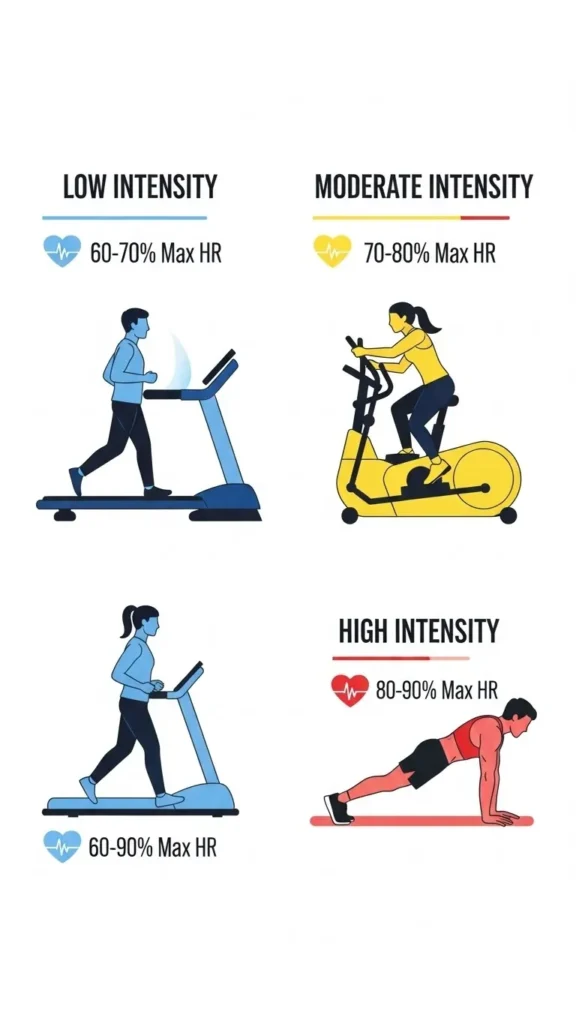
Optimizing calories burned by heart rate involves mixing low, moderate, and high-intensity workouts. This approach keeps the body challenged and adaptable.
Listening to your body, tracking progress, and adjusting intensity ensures safer workouts. Consistency and smart heart rate management lead to sustainable calorie burn and fitness gains.
Conclusion
Understanding calories burned by heart rate makes exercise simpler and more effective. By learning how different heart rate zones affect energy use, you can choose workouts that match your goals, fitness level, and lifestyle. This awareness helps prevent overtraining while ensuring each session delivers real benefits.
Using heart rate as a guide allows you to train smarter, not harder. Whether you focus on fat loss, endurance, or overall health, balancing intensity and consistency leads to sustainable results and long-term fitness success.