13 Crusty Bread Recipes for Perfect Homemade Loaves
Let me guess—you want that crackly, shatter-when-you-slice-it crust and a soft, chewy inside, right? Same. I’ve burned loaves, under-proofed dough, and once created something that could legally count as a weapon. But after a lot of flour-covered weekends, I figured out what actually works.
This guide walks you through 13 crave-worthy crusty bread recipe ideas, explained like we’re chatting in the kitchen while the oven preheats. No fluff. No bakery-level ego. Just bread that makes you proud.
1. Classic No Knead Crusty Bread Recipe

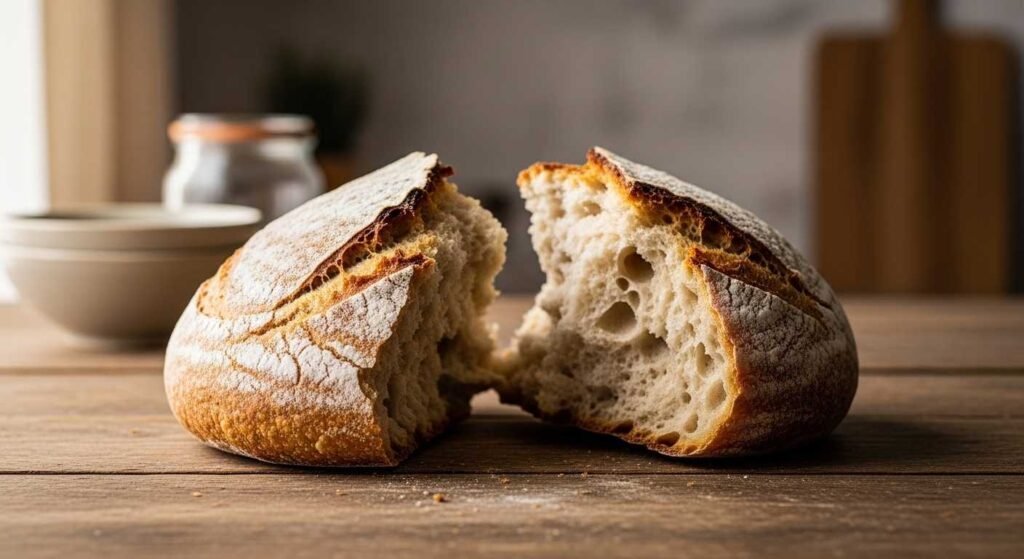
This is the loaf that converts people into home bakers. I’m serious. You don’t knead it, you don’t stress over it, and somehow it still delivers a deep golden crust and airy interior like it trained in a Paris bakery.
Here’s why this crusty bread recipe works so ridiculously well. You rely on time instead of effort. A long, slow rise lets yeast build flavor naturally, while the high moisture content creates those gorgeous air pockets everyone loves. Ever wondered why bakery bread tastes “deeper” than quick homemade loaves? This is the reason.
What makes this recipe foolproof:
- High hydration dough creates steam inside the loaf
- Long fermentation (12–18 hours) builds flavor without kneading
- Simple ingredients keep things predictable and repeatable
I usually mix this dough before bed, forget about it, and bake it the next day. Zero drama. Maximum reward. If you’re new to baking crusty bread at home, start here. Trust me.
2. Dutch Oven Artisan Crusty Bread
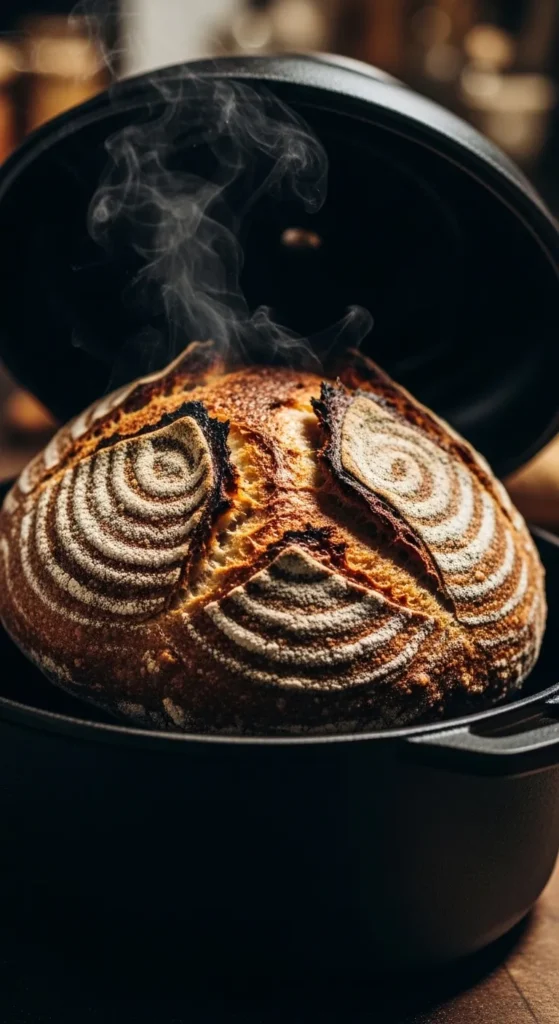
This one feels fancy, but it’s actually just smart baking. The Dutch oven traps steam during the first half of baking, which is exactly what creates that blistered, crackly crust people chase.
Steam delays crust formation, letting the dough expand fully before it sets. Once you remove the lid, the crust darkens and crisps like magic. Sounds technical, but it’s honestly very “set it and forget it.”
Key details I never skip:
- Preheating the Dutch oven so the dough hits instant heat
- Scoring the top to control expansion and avoid weird blowouts
- Removing the lid halfway through baking for maximum crunch
This crusty bread recipe produces a loaf so good it makes store-bought bread feel awkward. The crust shatters, the crumb stays chewy, and the aroma alone feels illegal.
3. Rustic Sourdough Crusty Bread
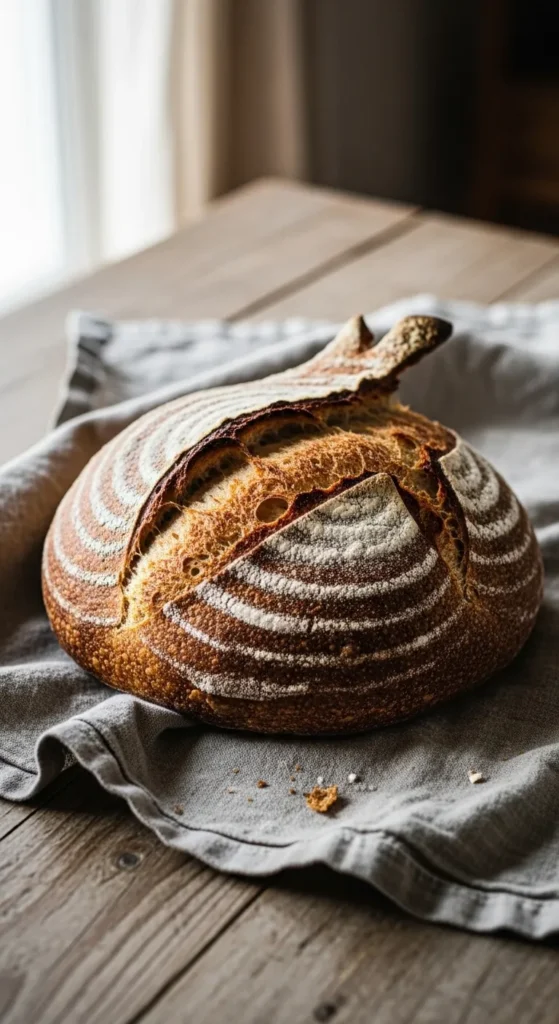
Sourdough demands patience, but it rewards you with flavor that regular yeast simply can’t match. This loaf brings natural tang, bold aroma, and a crust that crackles loudly as it cools—yes, that sound matters.
The real magic comes from wild yeast and bacteria working together. They strengthen the dough structure, improve digestibility, and deepen flavor. That’s why sourdough feels more complex without tasting heavy.
Why this crusty bread recipe stands out:
- Natural fermentation creates depth and balance
- Stronger gluten structure supports a dramatic oven spring
- Thicker, darker crust locks in moisture
I won’t lie—feeding a starter feels like caring for a moody pet. But once you bake your first successful loaf, you’ll forgive it instantly. Ever tasted bread that feels alive? This is that bread.
4. Whole Wheat Crusty Bread Recipe
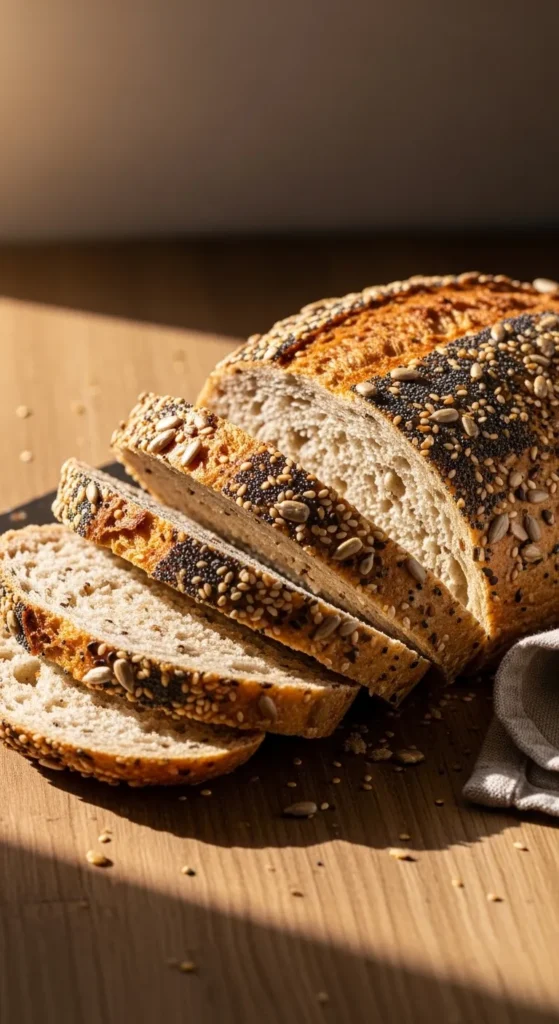
Whole wheat bread gets labeled “dry” way too often, and honestly, that’s user error. When you hydrate it properly and give it time, it becomes nutty, aromatic, and surprisingly light.
Whole wheat flour absorbs more water, so rushing this dough never ends well. Slow fermentation softens the bran and allows gluten to develop without tearing. The result? A loaf that feels hearty but still chewy.
What makes whole wheat crusty bread work:
- Higher hydration than white flour doughs
- Long rest periods to relax the gluten
- Hot initial bake to boost oven spring
This loaf pairs beautifully with butter, honey, or savory spreads. It’s the kind of bread that feels wholesome without tasting boring—and that’s a rare win.
5. French Style Baguette at Home

Baguettes look intimidating, but they’re really just dramatic. They demand attention, precision, and good timing—but the payoff is huge. When done right, you get a thin, crackly crust and a soft, stretchy crumb.
The secret isn’t fancy ingredients—it’s steam, shaping, and scoring. Steam keeps the surface flexible early on, while proper shaping builds internal structure. Skip either step, and the baguette sulks.
Essential baguette success tips:
- Steam in the oven during the first 10 minutes
- Gentle shaping to protect air pockets
- Diagonal scoring for controlled expansion
Breaking open a warm baguette and hearing that crust snap? That moment never gets old. Bake two—one will disappear immediately, and you know it.
6. Olive Oil Crusty Bread with a Golden Crust

This loaf feels simple, but don’t underestimate it. Olive oil quietly upgrades everything—flavor, texture, aroma, all of it. You still get a crusty exterior, but the inside stays slightly richer and softer than classic lean doughs.
Olive oil coats the flour proteins, which means the crumb stays tender without losing structure. The crust browns faster too, thanks to natural sugars reacting during baking. Ever notice how this bread smells incredible before it’s even done? That’s the oil doing overtime.
Why this crusty bread recipe works beautifully:
- Olive oil boosts flavor without making the crumb heavy
- Golden crust forms faster and more evenly
- Interior stays moist longer, even the next day
I bake this loaf when I want something versatile. It pairs with soups, salads, dips, or honestly just a pinch of salt and good butter. Simple bread, elevated—no drama needed.
7. Cheese Stuffed Crusty Bread
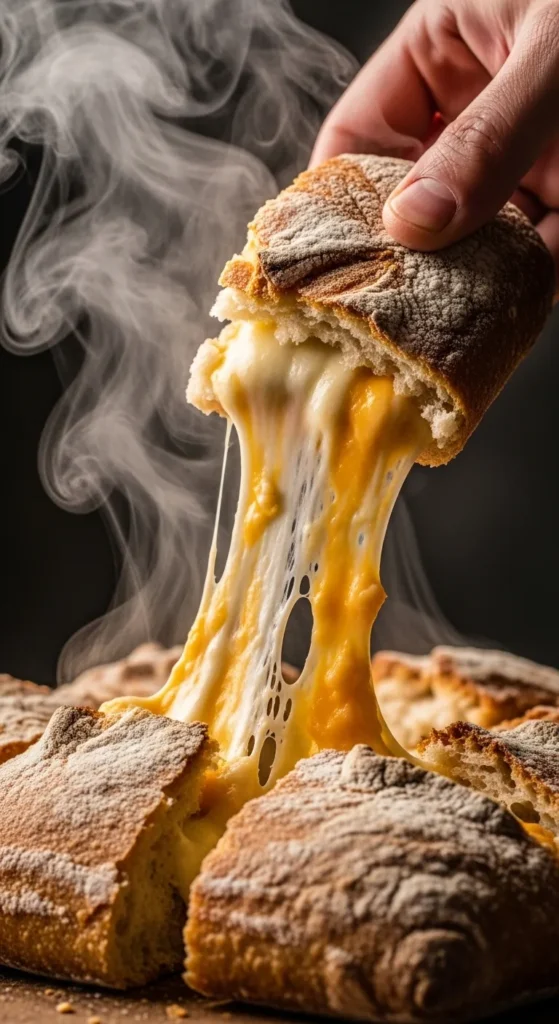
This is the loaf that steals attention. On the outside, it looks like a normal rustic bread. On the inside? Molten, savory chaos—the good kind.
The key is choosing the right cheese and folding it in carefully so it melts without leaking everywhere. You want pockets of flavor, not a lava escape situation. I learned that the messy way once. Lesson absorbed.
Cheese-stuffed bread success tips:
- Use low-moisture cheeses to avoid soggy dough
- Fold cheese into the dough, don’t knead it aggressively
- Bake hot to set the crust before cheese melts too much
Every slice surprises people, and that alone makes this crusty bread recipe worth baking. Serve it warm and watch everyone suddenly “not be hungry” anymore.
8. Rye Crusty Bread Recipe

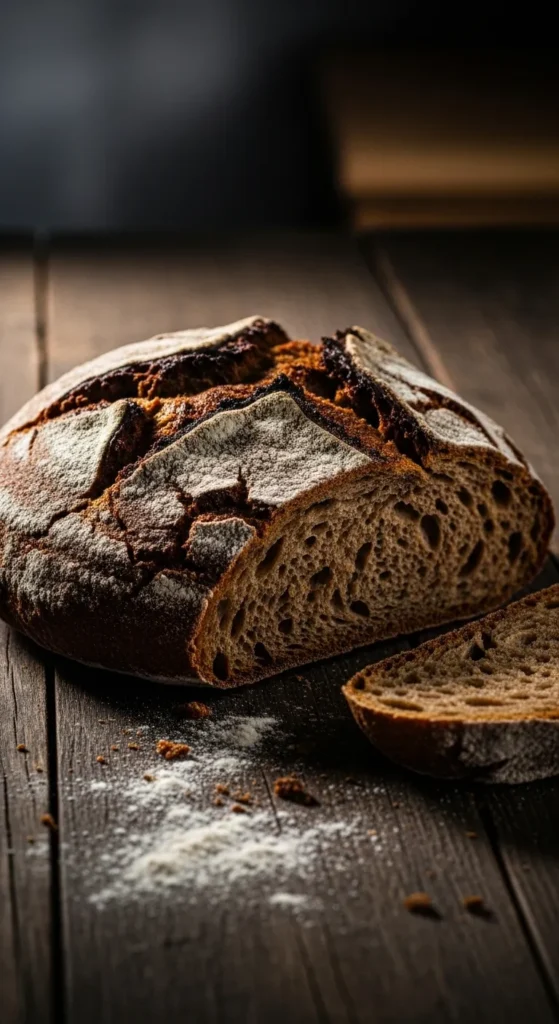
Rye bread doesn’t whisper—it talks back. This loaf delivers earthy flavor, darker color, and a dense-but-satisfying crumb that feels serious in the best way.
Rye flour behaves differently than wheat. It absorbs water fast and doesn’t build gluten the same way, so blending it with bread flour keeps the structure strong while preserving rye’s signature taste.
What makes rye crusty bread successful:
- Balanced flour ratio for structure and flavor
- Extra fermentation time to mellow sharp notes
- Hot oven start to encourage crust development
This loaf shines with savory toppings—think cheese, cured meats, or mustard. If you like bold flavors and no-nonsense bread, rye understands you.
9. Overnight Fermented Crusty Bread
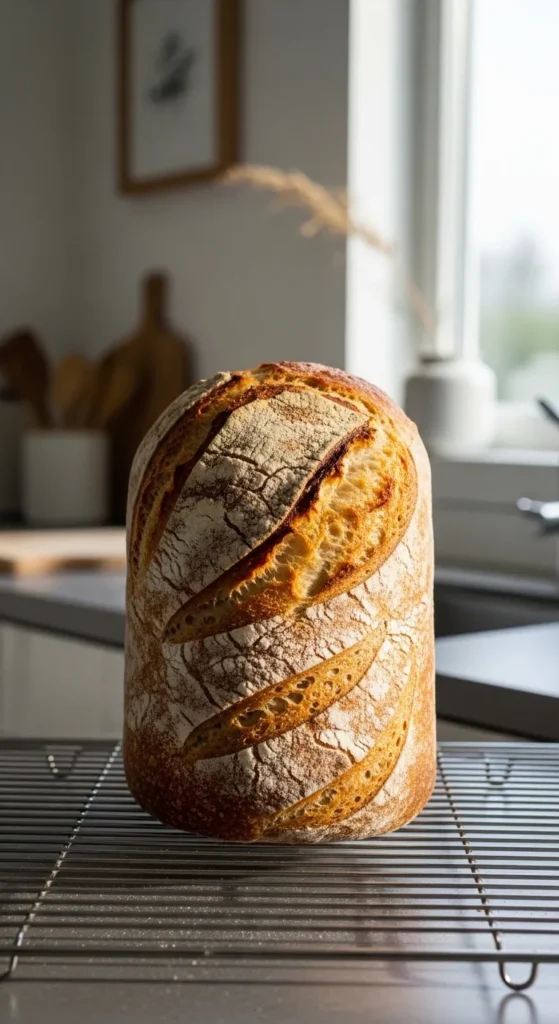
This recipe fits real life. You mix the dough, go to sleep, and wake up halfway to incredible bread. That alone deserves applause.
Overnight fermentation allows yeast to work slowly, creating complex flavor and better texture without extra effort. The dough becomes more elastic, easier to shape, and more forgiving during baking.
Why overnight fermentation improves crusty bread:
- Stronger dough structure with less handling
- Deeper, more developed flavor
- Better digestibility thanks to long fermentation
I rely on this method during busy weeks. Ever pulled fresh bread from the oven with minimal effort and felt weirdly accomplished? Yeah—this loaf does that.
10. Seeded Multigrain Crusty Bread
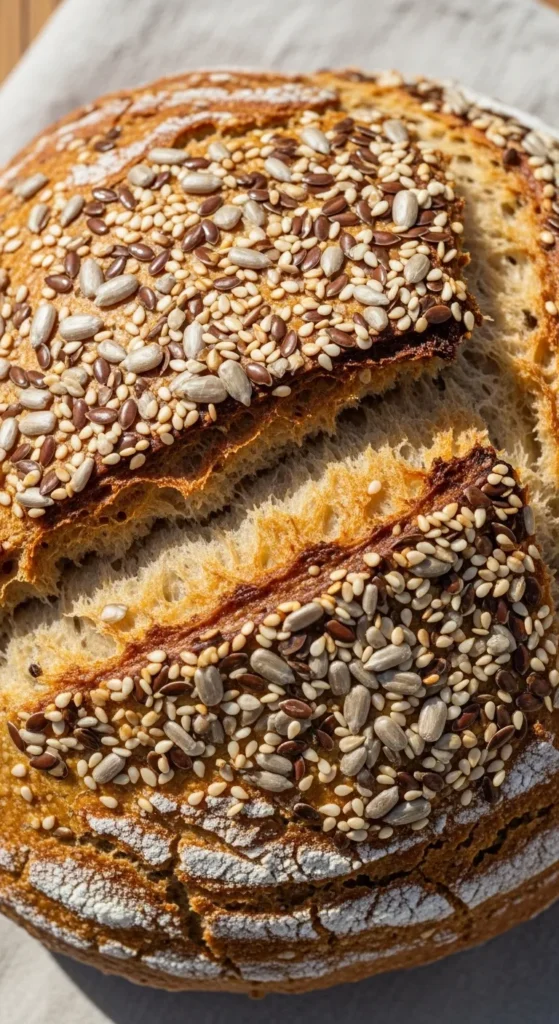
This bread brings texture, flavor, and visual appeal all in one loaf. Seeds add crunch on the crust and richness inside, turning a basic dough into something memorable.
The trick is soaking seeds before mixing them into the dough. Dry seeds steal moisture and mess with texture. Soaked seeds? They behave beautifully and distribute evenly.
Why seeded multigrain bread stands out:
- Crunchy crust with nutty aroma
- Balanced chew thanks to soaked seeds
- Extra nutrients without sacrificing flavor
I go generous with seeds because subtlety feels unnecessary here. This crusty bread recipe tastes hearty, looks impressive, and holds up perfectly to spreads and sandwiches.
11. Garlic & Herb Crusty Bread
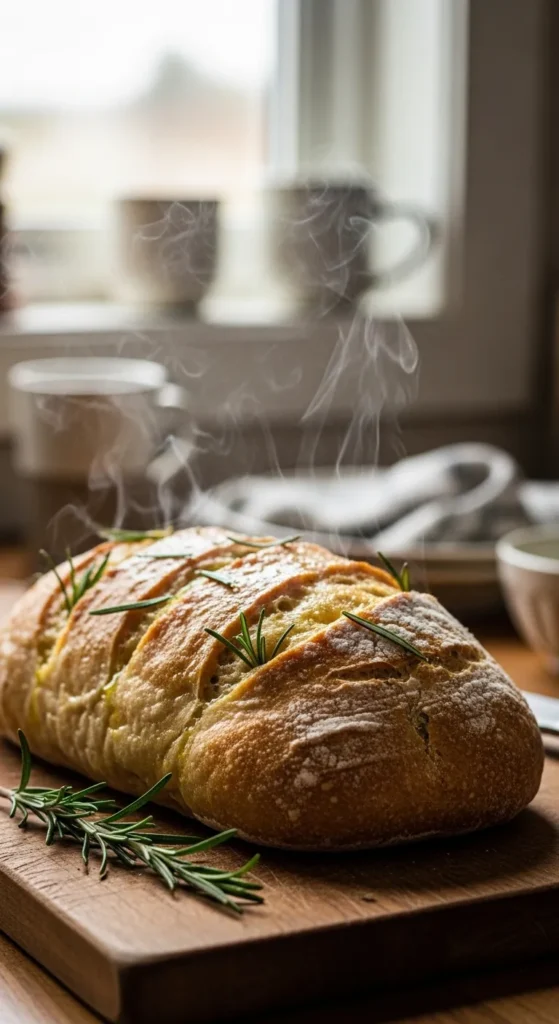
This bread announces itself before you even open the oven door. The aroma alone makes people wander into the kitchen pretending they’re “just looking for water.” Spoiler: they’re here for the bread.
Fresh garlic and herbs infuse the dough during fermentation, so the flavor doesn’t sit on the surface—it runs through the entire loaf. That means every bite delivers savory depth without overpowering the crust. Ever had garlic bread where the crust went soft and sad? Not here.
Why this crusty bread recipe works so well:
- Fresh garlic delivers real flavor, not bitterness
- Herbs release aroma slowly during baking
- Crust stays crisp while the crumb stays tender
I brush a little olive oil on top before baking for extra color and crunch. Serve this warm, and honestly, side dishes become optional.
12. High Hydration Bakery Style Crusty Bread
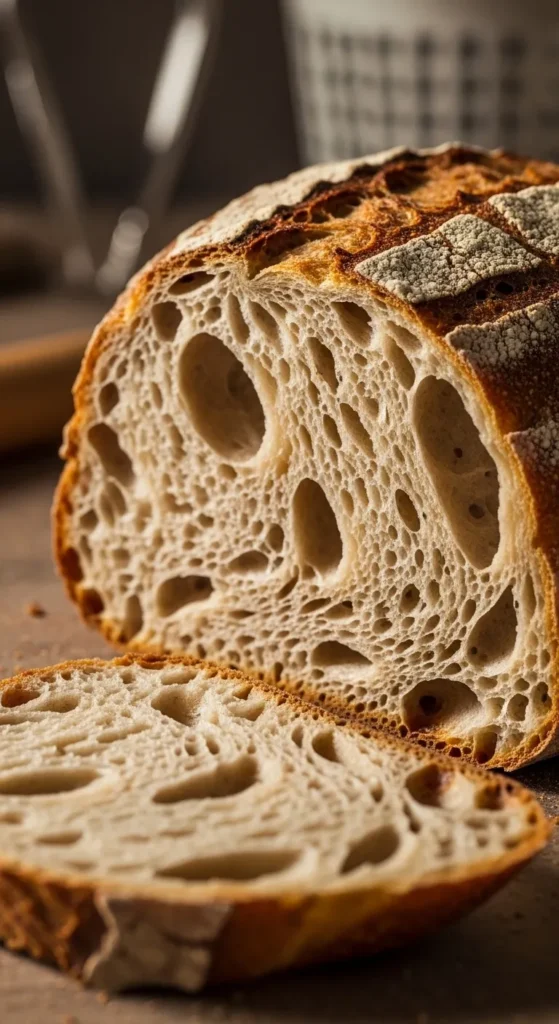
This dough looks chaotic at first. It sticks to everything, questions your confidence, and makes you rethink your life choices. Stay calm—this is where elite crusty bread lives.
High hydration dough traps more steam inside the loaf, which creates huge air pockets and a thin, glassy crust. The crumb stays light and stretchy instead of dense. Handling gently matters more than strength here.
Why high hydration changes everything:
- Open, airy crumb with dramatic holes
- Ultra-thin, crackly crust
- Professional bakery-style texture
I use wet hands and zero aggression. If you stop fighting the dough, it rewards you. Ever cut into bread and just stare at the crumb for a second? Yeah—this loaf does that.
13. Dark Crust European Style Bread
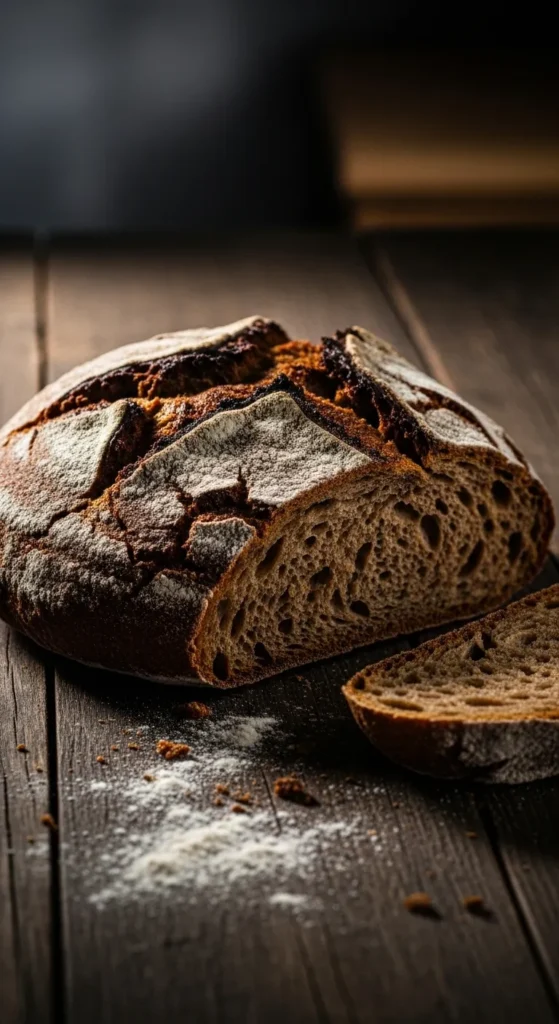
This loaf scares people who think brown equals burnt. Ignore them. Dark crust means deep caramelization, richer flavor, and better texture.
Longer baking at slightly lower heat develops complex notes without drying the crumb. The crust thickens, crackles loudly as it cools, and locks moisture inside. That sound? That’s success.
Why darker crust equals better bread:
- More flavor from caramelized sugars
- Stronger crust that stays crisp longer
- Chewy, moist interior protected by the crust
I bake this loaf when I want bold flavor and zero apologies. Slice it thick, add butter, and let the crust do the talking.
Final Thoughts
Here’s the honest truth: a great crusty bread recipe isn’t about perfection—it’s about understanding heat, hydration, and patience. Start simple, respect the dough, and don’t fear a dark crust.
Some loaves will flop. That’s normal. But the moment you hear that crust crackle while cooling, you’ll know—you’re officially hooked. Now go preheat that oven. Bread waits for no one 🍞🔥