
11 Fermented Foods That Can Fix Your Gut Naturally
Introduction

Alright, real talk for a second. If your stomach has ever felt like it’s running its own reality show—bloating, weird noises, mood swings included—you’re not alone. I’ve been there, Googling symptoms like it’s a full-time job. That’s exactly how I fell head-first into the world of fermented foods, and honestly? My gut has never been more chill.
Fermented foods aren’t some fancy wellness trend invented by influencers with perfect kitchens. People have eaten them for centuries, mostly because they work. They support digestion, boost gut bacteria, and—bonus—many of them taste amazing. Ever wondered why your body feels oddly happy after eating certain foods? Yep, your gut bacteria are throwing a mini party.
1. Yogurt The Gateway Fermented Food

Let’s start with the classic. Yogurt feels basic, but don’t underestimate it. This was my entry point into fermented foods, mostly because it felt safe and familiar.
Why Yogurt Deserves the Hype
Yogurt packs live probiotic cultures that help balance gut bacteria. When your gut stays balanced, digestion improves, immunity gets stronger, and your stomach stops acting dramatic.
Key benefits you’ll actually notice:
- Better digestion, especially after heavy meals
- Improved gut flora, thanks to live cultures
- Stronger immunity, because your gut runs the show
IMO, plain yogurt beats flavored ones every time. Those sugary versions? They cancel out half the benefits. Ever checked the label and seen more sugar than dessert? Yeah… hard pass.
2. Kefir Yogurt’s Cooler, More Powerful Cousin
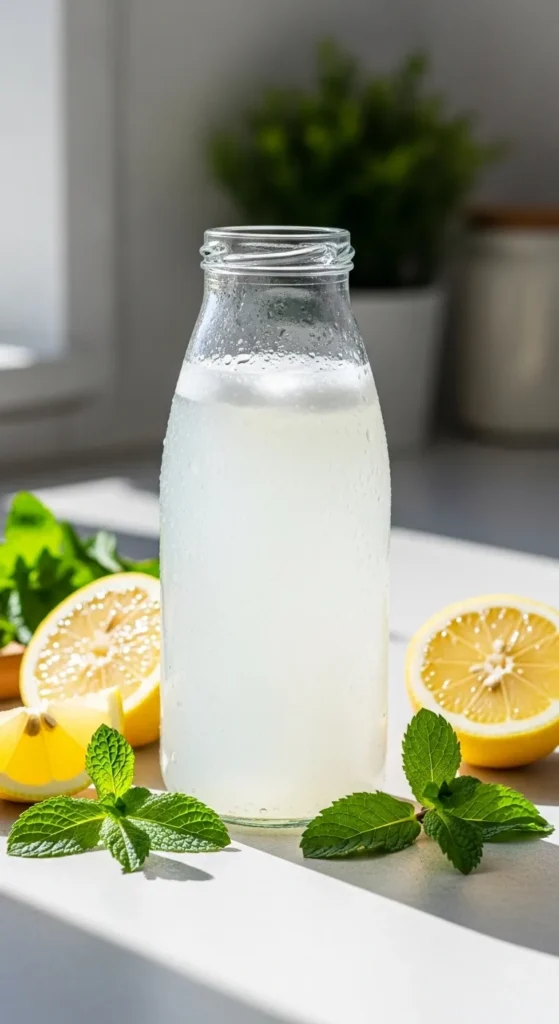
If yogurt feels like level one, kefir feels like level five. I tried it expecting something boring. Spoiler alert: I was wrong.
What Makes Kefir Special?
Kefir contains more probiotic strains than yogurt, which means more diversity for your gut bacteria. Think of it as upgrading from a basic playlist to a full music library.
Why kefir hits different:
- 30+ probiotic strains in some varieties
- Easier to digest than milk
- Supports gut and mental health (yes, your gut talks to your brain)
The taste? Slightly tangy, kind of fizzy. Weird at first, addictive later. Ever tried something once and then kept thinking about it all day? That was kefir for me 🙂
3. Sauerkraut Tiny Cabbage, Big Gut Energy
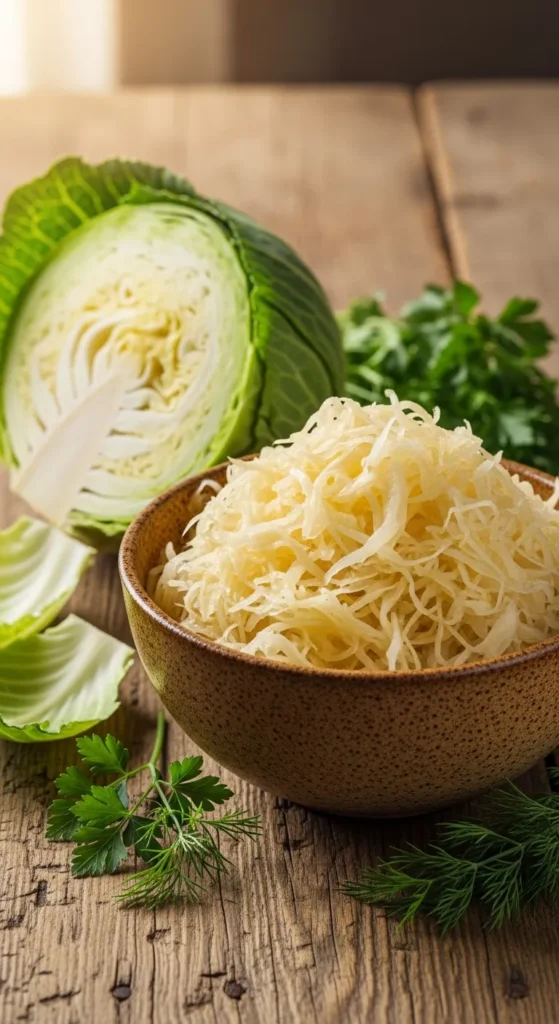
Let’s talk sauerkraut, aka fermented cabbage with a serious attitude. This food looks humble but works overtime for your gut.
Why Sauerkraut Works So Well
Fermentation turns cabbage into a probiotic-rich powerhouse. Plus, it keeps all the fiber, which your gut bacteria absolutely love.
Why your gut will thank you:
- High in natural probiotics
- Rich in fiber for smoother digestion
- Supports detox and immunity
One thing I learned the hard way: always choose raw, unpasteurized sauerkraut. The shelf-stable stuff loses most probiotics. Ever bought “healthy” food that wasn’t actually healthy? Yep, same pain here.
4. Kimchi Spicy, Funky, and Gut Approved
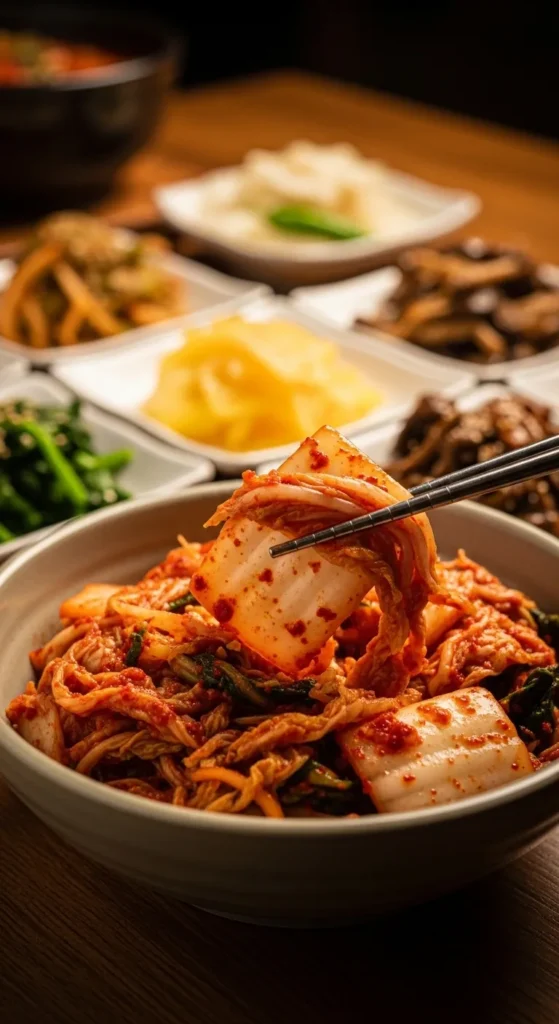
If sauerkraut feels calm, kimchi feels wild—in the best way possible. This Korean staple mixes fermented veggies with spice, garlic, and serious flavor.
Why Kimchi Deserves a Spot on Your Plate
Kimchi delivers probiotics + antioxidants + spice, which makes it a triple threat for gut and overall health.
Standout benefits:
- Boosts digestion with live cultures
- Supports metabolism thanks to chili peppers
- Helps reduce inflammation
I’ll be honest: kimchi isn’t subtle. But once you adjust, it’s hard to stop. Ever crave something spicy and sour at the same time? That’s kimchi calling your name.
5. Miso Comfort Food with Gut Benefits
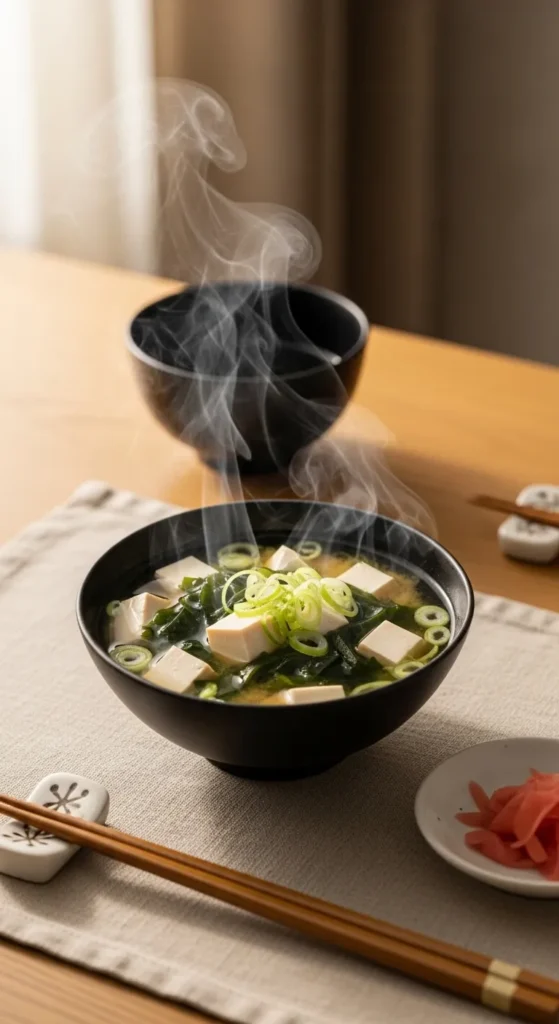
Miso feels like a warm hug in food form. I started drinking miso soup on stressful days, and my stomach genuinely felt calmer afterward. Coincidence? I don’t think so.
Why Miso Is More Than Just Soup
Miso comes from fermented soybeans and delivers beneficial bacteria plus essential nutrients. It’s gentle, soothing, and ridiculously versatile.
Why miso deserves attention:
- Supports digestion and gut balance
- Provides minerals and antioxidants
- Easy to include in soups, dressings, and marinades
Quick FYI: don’t boil miso aggressively. High heat kills probiotics, and nobody wants that tragedy.
6. Tempeh The Protein Packed Gut Hero
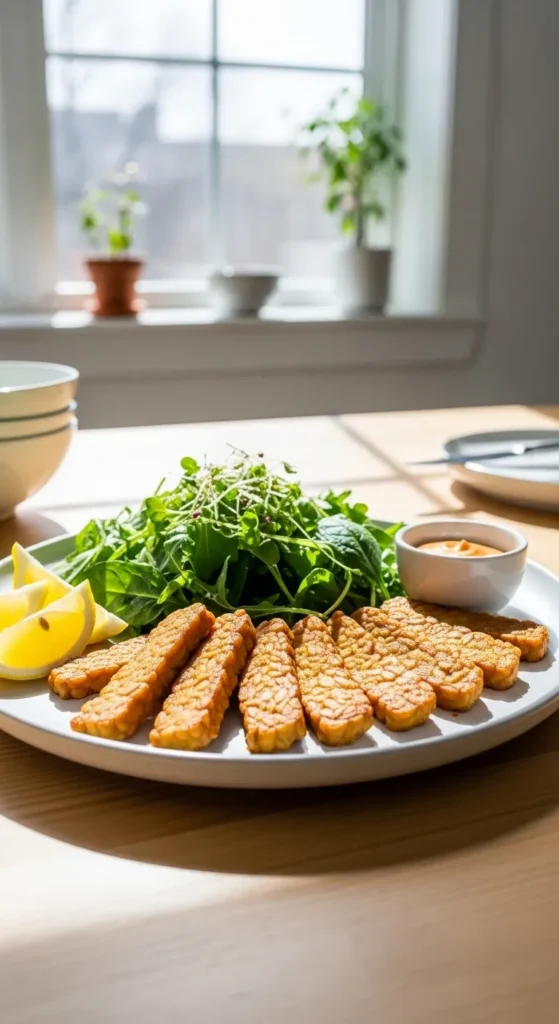
I’ll admit it—I ignored tempeh for years. Big mistake. Once I actually tried it the right way, I realized this fermented food means business.
Why Tempeh Deserves More Love
Tempeh comes from fermented soybeans, and it delivers protein, probiotics, and fiber all in one go. That combo makes your gut happy and keeps you full longer.
Why tempeh stands out:
- High-quality plant protein for muscle and energy
- Natural probiotics that support digestion
- Easy to digest compared to regular soy
Pan-fry it, grill it, or toss it into stir-fries. Ever notice how some foods keep you full without making you feel heavy? Yep, that’s tempeh doing its thing.
7. Kombucha The Fizzy Drink Your Gut Loves

Ah yes, kombucha—the drink that looks mysterious and tastes… unexpected. My first sip made me pause. My second sip made me curious. My third sip made me a fan.
What Makes Kombucha So Popular?
Kombucha is fermented tea loaded with probiotics and organic acids. It supports digestion while feeling like a treat, not a chore.
Gut-friendly perks:
- Supports healthy gut bacteria
- Aids digestion and detox
- Low-sugar alternative to sodas
Just keep it real: moderation matters. Too much kombucha can upset your stomach. Ever overdid something “healthy” and regretted it? Yeah… lesson learned :/
8. Pickles But Only the Real Ones
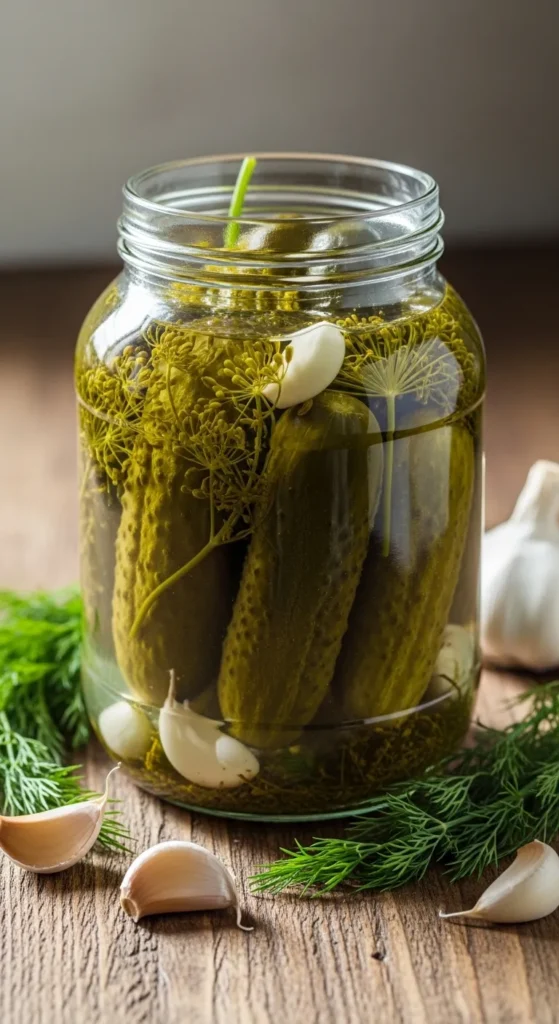
Let’s clear this up right now. Not all pickles count as fermented foods. I learned that after confidently buying a jar… and reading the label later. Oops.
How to Spot Gut-Healthy Pickles
True fermented pickles sit in saltwater brine, not vinegar. That’s where the probiotics come from.
Why fermented pickles help your gut:
- Natural probiotics for digestion
- Support enzyme production
- Help reduce bloating
If the label says “vinegar” instead of “fermented,” keep walking. Ever felt betrayed by packaging? Same energy.
9. Natto The Most Underrated Fermented Food
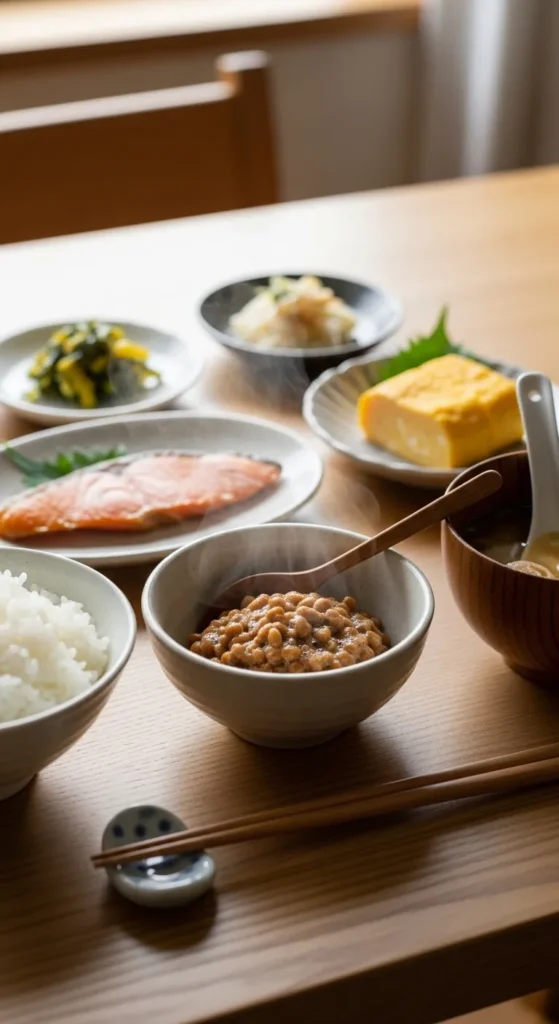
Okay, I won’t sugarcoat this one. Natto smells intense and looks… sticky. But wow, the benefits are real.
Why Natto Is a Gut Powerhouse
Natto comes from fermented soybeans and delivers powerful probiotics and enzymes you won’t find elsewhere.
Why natto is worth the courage:
- Extremely high probiotic content
- Supports gut and heart health
- Improves nutrient absorption
Is it an acquired taste? Absolutely. But ever tried something weird and ended up loving it later? Natto has that potential.
10. Fermented Cheese Yes, Cheese Can Be Gut Friendly
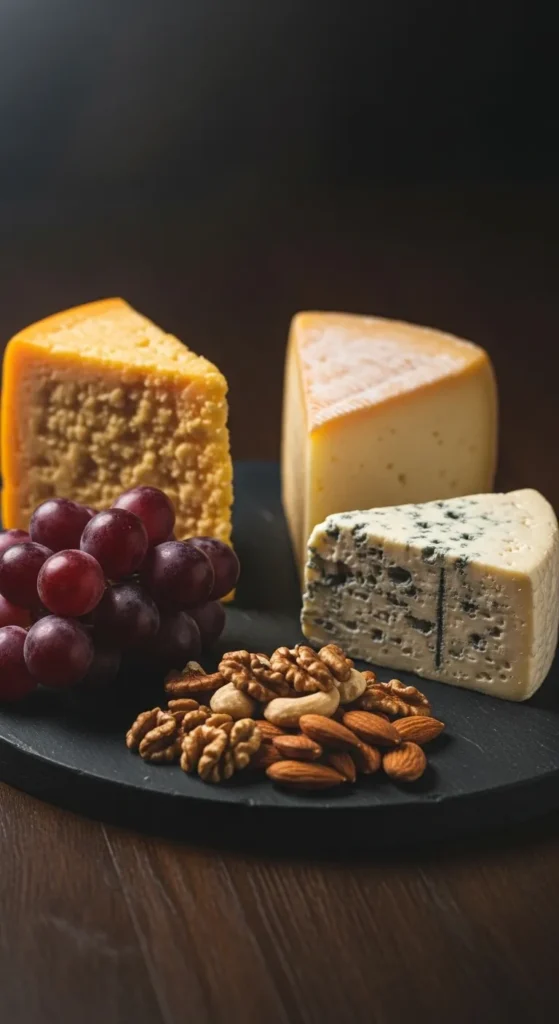
This one made me very happy. Fermented cheese proves that gut health doesn’t have to feel restrictive.
When Cheese Actually Helps Your Gut
Cheeses like aged cheddar, gouda, and blue cheese contain beneficial bacteria from fermentation. Plus, they’re easier to digest than fresh dairy.
Why fermented cheese works:
- Contains live cultures (in aged varieties)
- Lower lactose levels
- Supports gut balance when eaten moderately
Notice the keyword there: moderately. Eating half a cheese wheel won’t help anyone. Trust me.
11. Apple Cider Vinegar Simple, Sour, and Seriously Effective
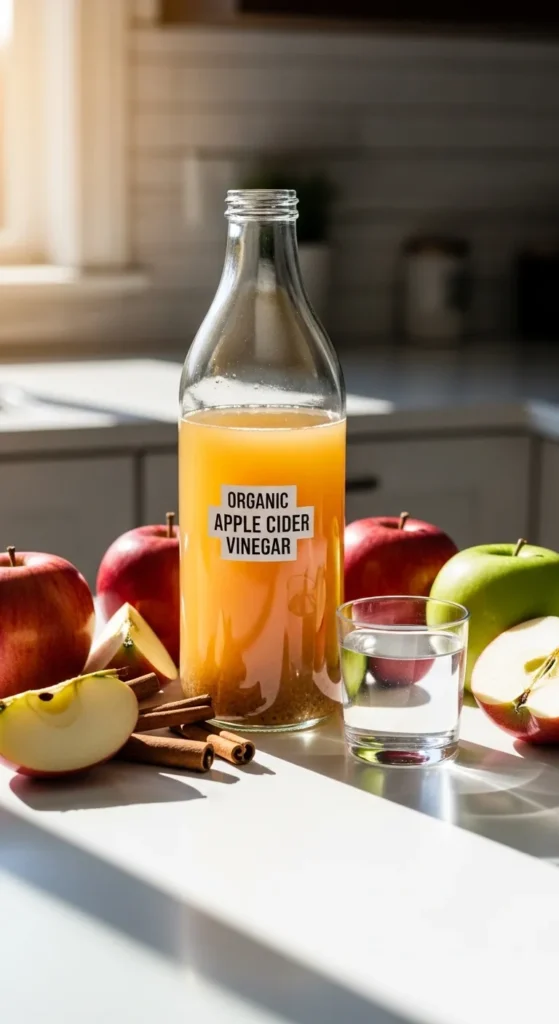
Yep, apple cider vinegar (ACV) counts as a fermented food—if you choose the right kind. I ignored it for years because, honestly, who wants to drink vinegar? Then my digestion forced the issue.
Why Apple Cider Vinegar Works
Raw, unfiltered ACV contains beneficial bacteria and enzymes that support digestion and gut balance. It helps your stomach break down food more efficiently, which means less bloating and discomfort.
Why ACV earns its spot on this list:
- Supports digestion by increasing stomach acid
- Helps balance gut bacteria naturally
- May reduce bloating after meals
I usually mix one tablespoon with warm water before meals. Straight shots? Hard no. Ever tried to be brave and instantly regretted it? Yeah… learn from me.
Quick Recap Before the Final Stretch
So far, you’ve met 10 fermented foods that can seriously improve digestion and gut health without turning your diet upside down.
What really matters:
- Variety feeds diverse gut bacteria
- Fermented foods don’t need fancy prep
- Small portions = big benefits
Final Thoughts
Your Gut Doesn’t Need Perfection, Just Consistency
Here’s the thing I wish someone told me earlier: you don’t need to eat all 11 fermented foods every day. Your gut isn’t grading you. It just wants consistency.
Let’s recap the big wins:
- Fermented foods support digestion, immunity, and overall health
- Variety matters more than quantity
- Small daily portions can create real change
If you start with yogurt, add some sauerkraut to lunch, sip kombucha once in a while, or use miso in soup, you’re already doing great. Ever notice how your body responds when you actually listen to it? That’s your gut saying “thanks.”