13 Fine Dining Recipes for a Luxurious Meal
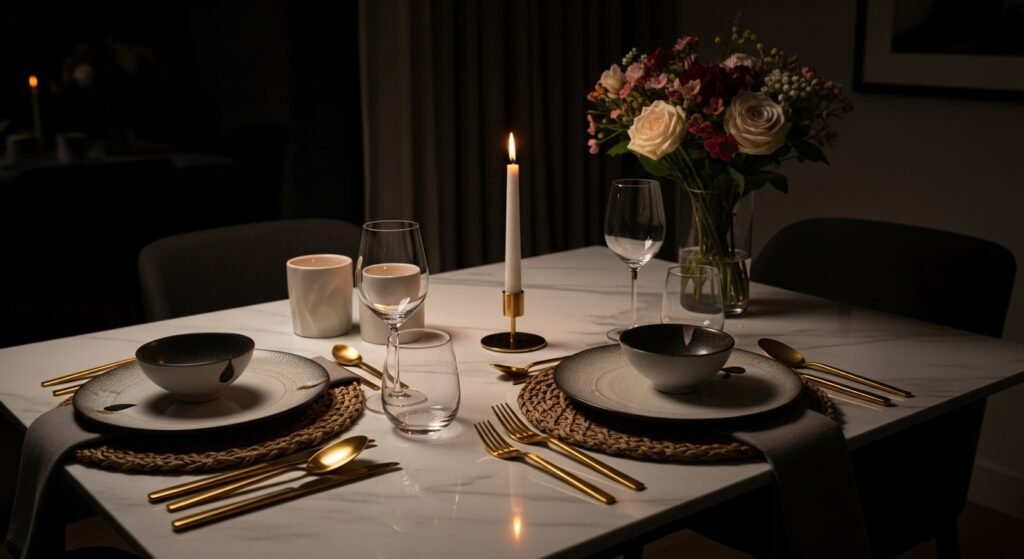
Let’s be honest for a second—sometimes you don’t want comfort food. You want drama. You want plates that look like art, flavors that make people pause mid-bite, and that quiet flex of saying, “Yeah, I made this.” That’s exactly where fine dining recipes come in.
I’ve cooked plenty of regular meals, but the first time I tried a fine dining-style dish at home, I felt like a chef with a secret identity. Ever wondered why restaurant food feels so special even when the ingredients aren’t wild? Spoiler: it’s all about technique, balance, and presentation. Let’s talk about the kind of recipes that turn dinner into an event—without turning your kitchen into a war zone.
1. Pan Seared Filet Mignon with Red Wine Reduction

If fine dining had a personality, filet mignon would be calm, confident, and slightly intimidating—but in a good way. This cut doesn’t need fancy tricks. It needs respect, heat control, and a little patience. That’s it.
Why this dish feels ultra-luxurious
Filet mignon comes from the most tender part of the beef, so you’re already winning before you even turn on the stove. When you sear it properly, you create that deep brown crust that locks in juices and flavor. Pair it with a red wine reduction, and suddenly your kitchen smells like a high-end steakhouse.
Key things to focus on
- High heat for a perfect crust
- Minimal seasoning—salt and pepper do the heavy lifting
- A glossy red wine sauce for elegance
I’ve learned this the hard way: don’t flip the steak every five seconds. Let it cook. Trust the process. Ever noticed how restaurants always nail that crust? That’s patience, not magic.
2. Lobster Tail with Lemon Butter Sauce

Cooking lobster at home feels scary until you actually do it. Then you realize… wait, that was it? This dish is pure fine dining energy because it balances luxury ingredients with simple execution.
What makes this a restaurant-style recipe
Lobster meat tastes naturally sweet and delicate, so heavy seasoning ruins it fast. A lemon butter sauce enhances the flavor instead of hijacking it. The result feels rich but clean, indulgent but not greasy.
Why chefs love this combo
- Butter adds richness
- Lemon adds brightness
- Lobster stays the star
Pro tip from my own mistakes: overcooked lobster turns rubbery fast. The moment it turns opaque, you’re done. No heroics needed 🙂
3. Truffle Mushroom Risotto
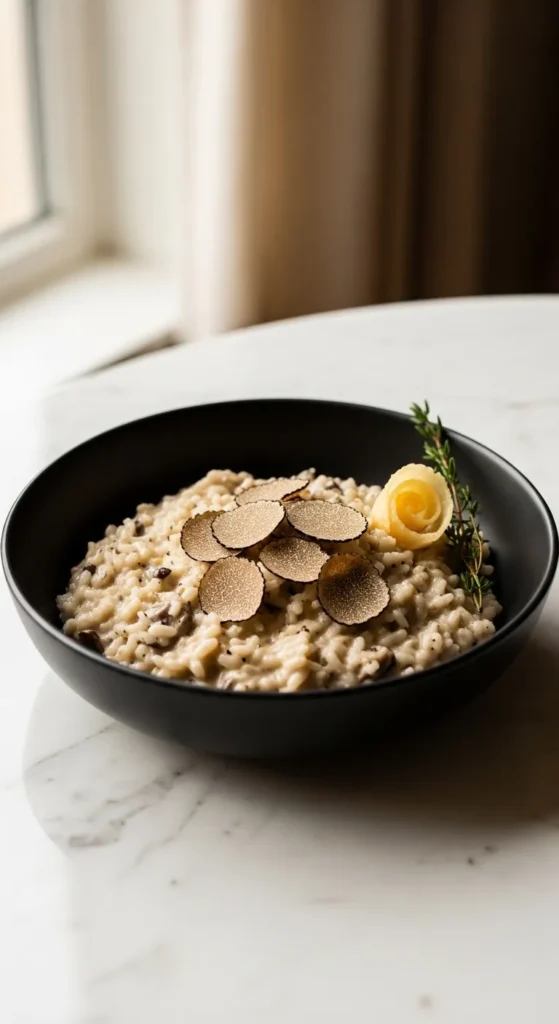
Risotto doesn’t scream for attention—it slowly earns it. This is one of those fine dining recipes where technique matters more than ingredients, and honestly, that’s what makes it special.
Why risotto belongs on a luxury menu
The constant stirring releases starch from the rice, creating that signature creamy texture without using cream. Mushrooms add umami, while truffle oil (or truffle butter) brings that earthy aroma that instantly signals “expensive.”
What makes this dish unforgettable
- Creamy yet light texture
- Deep, savory flavor
- Elegant simplicity
IMO, risotto teaches you how to slow down in the kitchen. You can’t rush it, and that’s kind of the point, right?
4. Duck Breast with Orange Glaze

Duck breast feels bold. It’s richer than chicken, more refined than steak, and perfect for people who want something different. This dish nails the classic fine dining balance of rich meat + bright sauce.
Why this pairing works
Duck has a higher fat content, so it loves acidity. The orange glaze cuts through the richness and keeps every bite balanced instead of heavy.
What you need to get right
- Slowly render the skin until crispy
- Keep the meat medium-rare
- Use citrus to balance the fat
Slicing the duck breast neatly makes a huge difference visually. Ever noticed how clean slices instantly upgrade the plate? Presentation matters more than we admit.
5. Seared Scallops with Cauliflower Purée

This dish looks minimalist, but don’t be fooled—it’s all about precision. Scallops cook in minutes, which means there’s zero room for distraction. Blink, and you miss it.
Why scallops define modern fine dining
Perfectly seared scallops have a golden crust outside and a buttery center inside. The cauliflower purée adds creaminess without overpowering, letting the scallops shine.
Why chefs love this dish
- Fast cooking, big payoff
- Elegant plating
- Clean, balanced flavors
Here’s the truth: dry your scallops well before cooking. Moisture kills the crust. I learned that lesson the hard way—so you don’t have to.
6. Beef Wellington The Ultimate Fine Dining Flex

Let’s not sugarcoat it—Beef Wellington is extra. It’s dramatic, layered, and slightly stressful. But that’s exactly why it earns legendary status in fine dining recipes. When done right, it’s not just dinner; it’s a moment.
Why this dish defines luxury cooking
You’ve got tender beef, savory mushroom duxelles, delicate pastry, and precise timing all working together. Each layer protects the next, creating a perfect balance of texture and flavor.
What makes Beef Wellington special
- Juicy beef center
- Earthy mushroom layer
- Golden, flaky pastry shell
I’ll be real—this isn’t a “wing it” recipe. But when you slice into it and see that perfect cross-section? Totally worth the mild panic.
7. Seared Sea Bass with Herb Oil

Sea bass is the quiet confidence of fine dining. It doesn’t shout. It whispers. And honestly, that’s what makes it so good.
Why chefs love cooking sea bass
The flesh stays delicate and flaky, while the skin crisps beautifully when treated right. A drizzle of herb oil adds freshness without stealing the spotlight.
Why this dish works
- Crispy skin texture
- Clean, mild flavor
- Fresh herbal finish
Ever notice how simple fish dishes feel harder to mess up at restaurants? see, that’s because simplicity exposes mistakes. Nail this, and you’re officially dangerous in the kitchen.
8. Handmade Ravioli with Brown Butter Sage Sauce

This dish proves that fine dining isn’t always about rare ingredients—it’s about effort. Handmade ravioli feels personal, thoughtful, and quietly impressive.
Why fresh pasta changes everything
Fresh pasta absorbs sauce better and cooks faster. Brown butter adds a nutty depth, while sage keeps things aromatic and balanced.
Why this dish belongs on a luxury menu
- Silky pasta texture
- Rich but light sauce
- Elegant, comforting vibe
Rolling pasta might feel intimidating at first, but once you taste it, boxed pasta feels… awkward. Just saying.
9. Rack of Lamb with Garlic Herb Crust
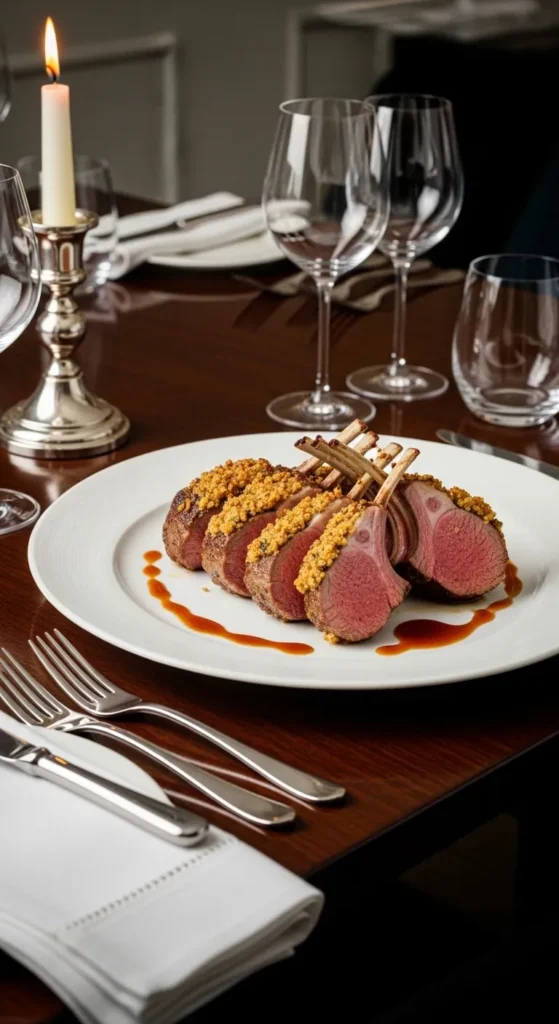
Rack of lamb walks into the room like it owns the place. It looks impressive before you even touch it, which already checks a major fine dining box.
Why lamb feels so upscale
Lamb has a bold, slightly gamey flavor that pairs beautifully with garlic, herbs, and a good crust. When roasted properly, it stays juicy and tender inside.
What makes this dish unforgettable
- Beautiful presentation
- Bold, savory flavor
- Perfect for special occasions
Carving it at the table adds drama. And yes, drama absolutely belongs in fine dining.
10. Foie Gras with Toasted Brioche
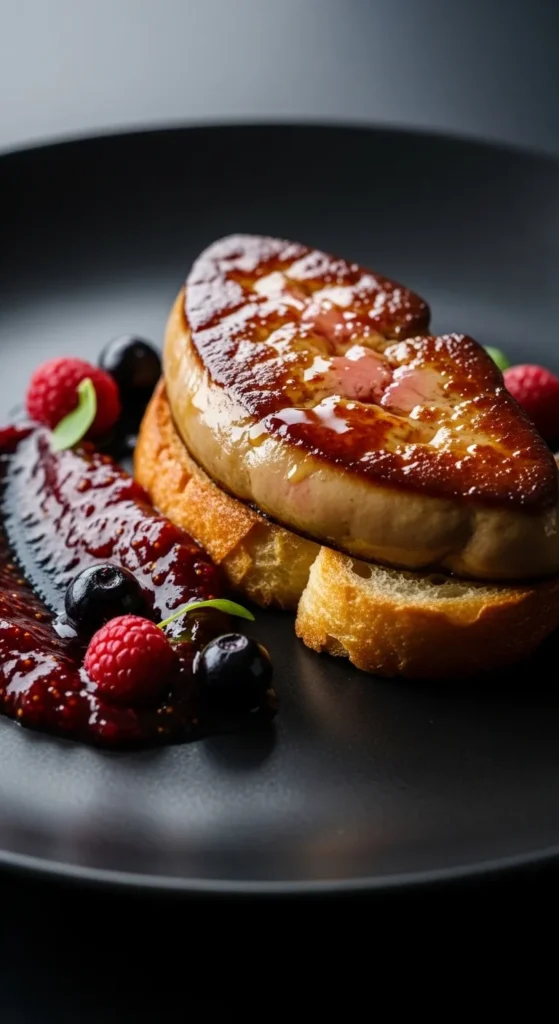
This dish doesn’t apologize. Foie gras is rich, indulgent, and designed for small portions that leave a big impression.
Why foie gras feels ultra-fine dining
The exterior sears crisp while the inside stays luxuriously soft. Toasted brioche adds crunch, and a touch of sweetness balances the richness.
Why chefs serve it this way
- Contrast in textures
- Deep, buttery flavor
- Elegant portion size
Is it intense? Yes. Is it meant to be? Also yes. Fine dining isn’t about subtlety all the time.
11. Saffron Seafood Paella

Paella has range. It can be casual or wildly elegant depending on how you treat it, and when you bring in saffron and premium seafood, it absolutely earns its fine dining badge.
Why this dish feels luxurious
Saffron does the heavy lifting here. That aroma alone signals elegance before anyone even takes a bite. Add perfectly cooked seafood, and you’ve got a dish that feels both indulgent and communal—which is rare in fine dining recipes.
What makes this paella special
- Golden saffron-infused rice
- Layered seafood flavors
- Rich yet balanced profile
I love serving this straight from the pan. Ever noticed how shared dishes instantly feel warmer and more memorable? That’s paella’s secret weapon.
12. Chocolate Fondant with Molten Center
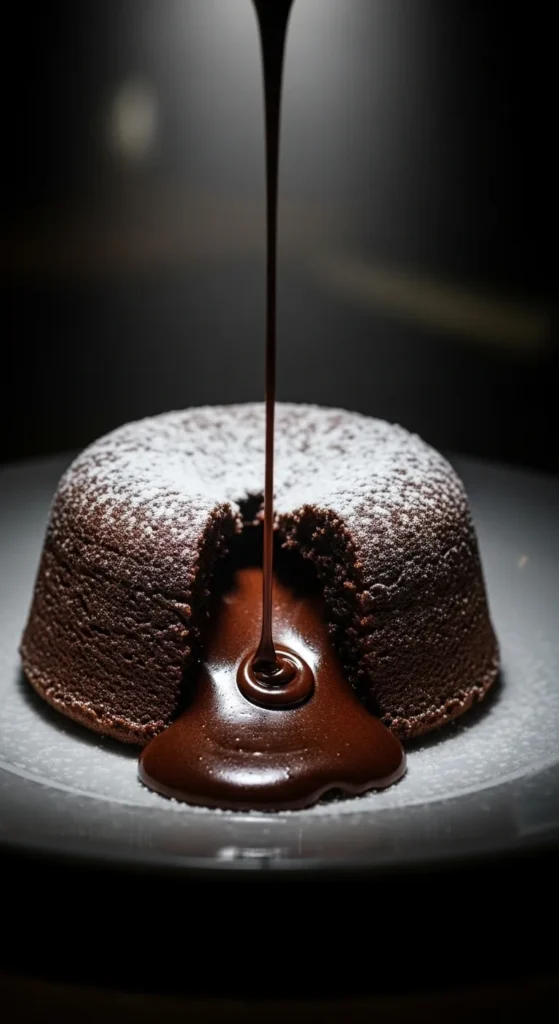
This dessert is pure confidence. Chocolate fondant doesn’t ask for applause—it expects it. And honestly, it deserves every bit.
Why this dessert always wins
That moment when you cut into the fondant and the molten center flows out? That’s drama done right. The outside stays firm while the inside stays warm and gooey, creating contrast that never gets old.
Why it belongs on a fine dining menu
- Rich, intense chocolate flavor
- Perfect texture contrast
- Visually satisfying presentation
Timing matters here. Pull it out seconds too late and you lose the magic. Get it right, and suddenly everyone thinks you trained in France. Funny how that works.
13. Vanilla Bean Panna Cotta with Berry Coulis
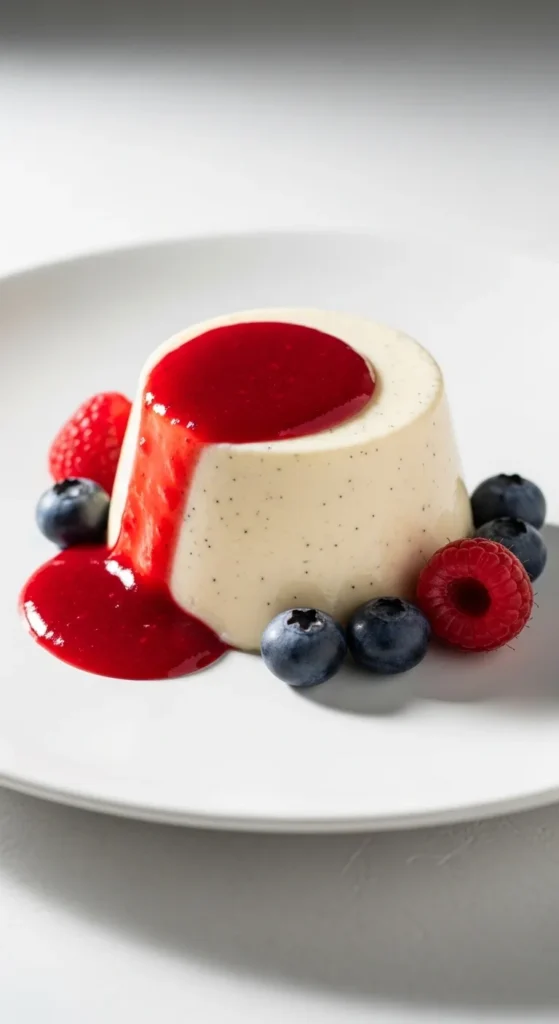
This dessert whispers elegance. No fireworks, no overload—just smooth, creamy perfection that ends the meal on a calm, refined note.
Why panna cotta is the perfect finale
Vanilla bean adds depth without heaviness, while the berry coulis cuts through the creaminess with just enough acidity. The texture feels silky and light, which is exactly what you want after a rich meal.
Why chefs love this dessert
- Clean, elegant flavor
- Beautiful contrast in color
- Light yet satisfying finish
IMO, panna cotta proves that restraint can be just as impressive as extravagance. It knows when to stop—and that’s a skill.
Final Takeaway
Fine dining recipes aren’t about being flashy all the time. They’re about intention, balance, and experience. From saffron-scented rice to molten chocolate and silky panna cotta, these final dishes close the meal with confidence and grace.
So here’s the real question—are you cooking to impress guests, or are you creating a meal you’ll remember long after the plates are cleared? Either way, you’re officially cooking like someone who gets fine dining. And that’s a flex worth keeping 🍷✨