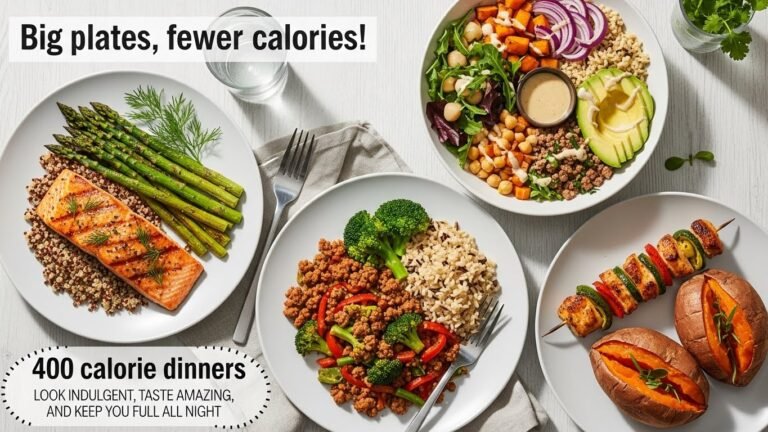
How to Calculate Calories From Fat Like a Pro
1. Understanding What Calories From Fat Mean
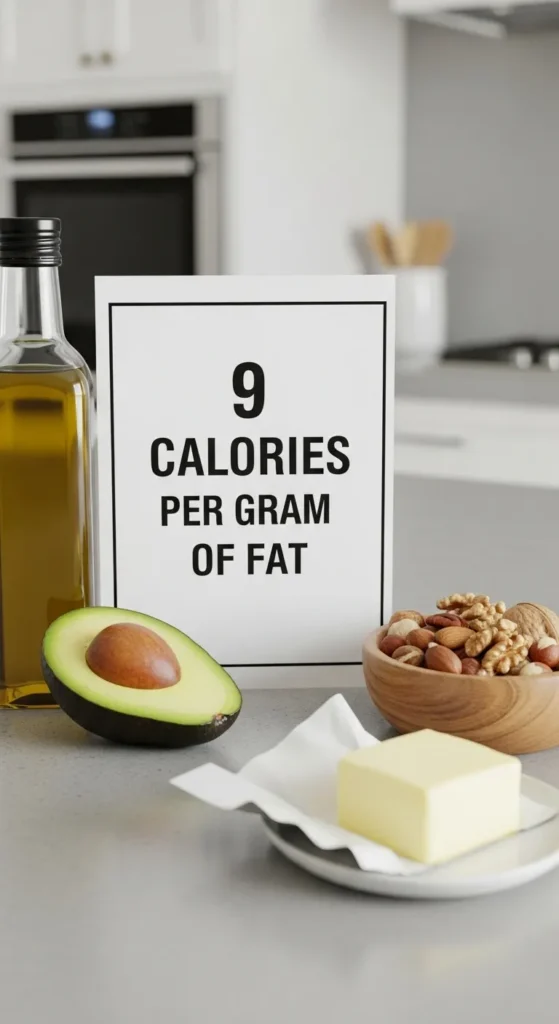
Fat is one of the three main macronutrients, and it provides 9 calories per gram, making it the most calorie-dense nutrient. When learning how to calculate calories from fat, the first step is understanding that not all calories take up the same space in food. Even small amounts of fat can add a high number of calories to your daily intake.
This concept helps explain why meals high in oils, butter, or fried foods quickly increase total calories. Knowing this allows you to enjoy fats wisely while still staying within your calorie goals, especially for weight loss or maintenance.
2. Why Fat Has More Calories Than Other Nutrients

Fat contains more calories because its chemical structure stores more energy compared to carbohydrates and protein. Carbs and protein provide 4 calories per gram, while fat provides more than double. This is why understanding how to calculate calories from fat is essential for accurate calorie tracking.
Once you recognize this difference, it becomes easier to control portions. Even healthy fats like nuts and olive oil should be measured, as excess fat calories can slow progress despite clean eating habits.
3. The Basic Formula to Calculate Calories From Fat
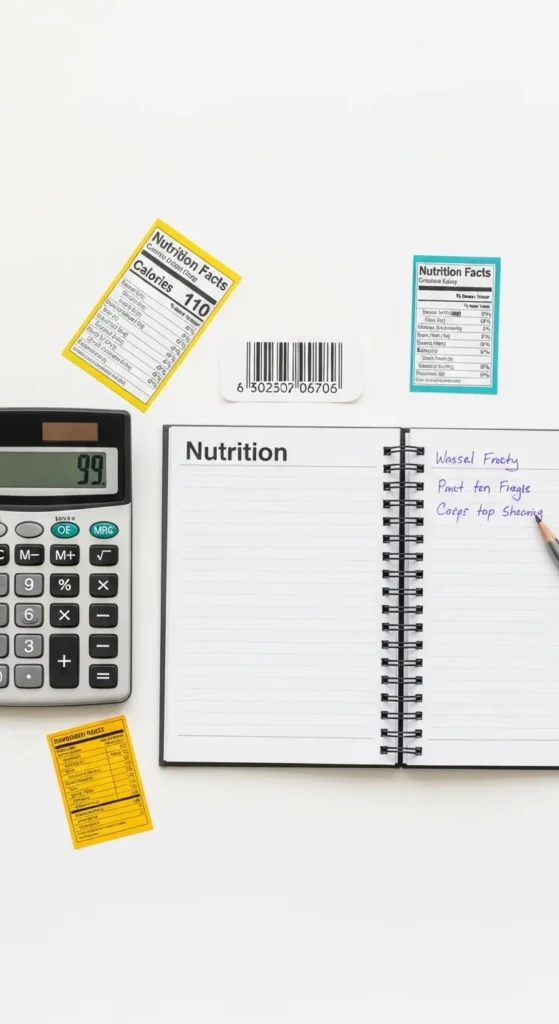
The formula is simple: grams of fat × 9 = calories from fat. This calculation works for any food item, whether it’s a packaged snack or a homemade meal. Learning this formula makes calorie counting faster and more reliable.
Using this method helps you break down nutrition labels and understand where most of your calories come from. It also allows better balance between fats, carbs, and protein in your daily meals.
4. How to Use Nutrition Labels to Find Fat Calories
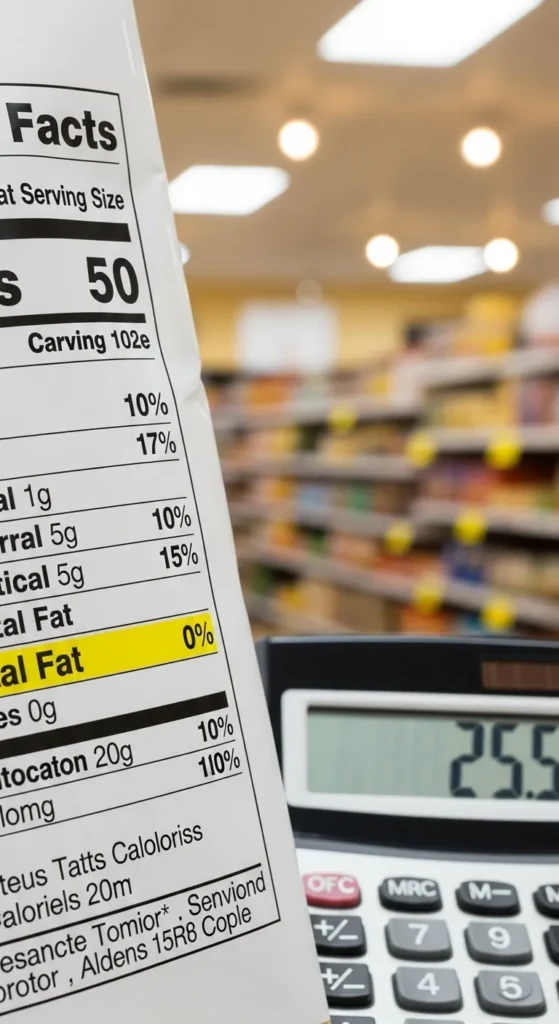
Nutrition labels list total fat in grams per serving. To find calories from fat, multiply the fat grams by 9 calories per gram. This quick step reveals how much of the food’s energy comes directly from fat.
This skill is especially useful when comparing similar products. You may find that two foods with the same calories have very different fat contributions, helping you make smarter, goal-focused choices.
Once you understand calories from fat, calculating net calories becomes much easier and more accurate for weight management.
5. Calculating Calories From Fat in Homemade Meals
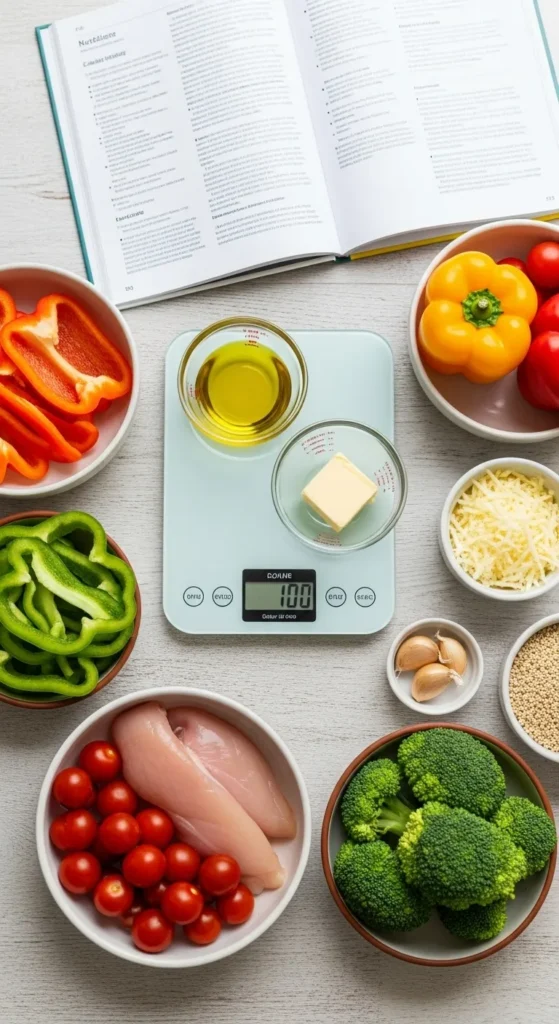
For homemade meals, calculate fat calories by adding up all fat grams from ingredients, then multiplying the total by 9. Oils, butter, cheese, and meats are common fat sources that should be counted carefully.
This approach improves accuracy when tracking calories and prevents hidden fats from sabotaging results. Mastering this step makes how to calculate calories from fat practical for everyday cooking and long-term success.
6. Difference Between Calories From Fat and Total Calories
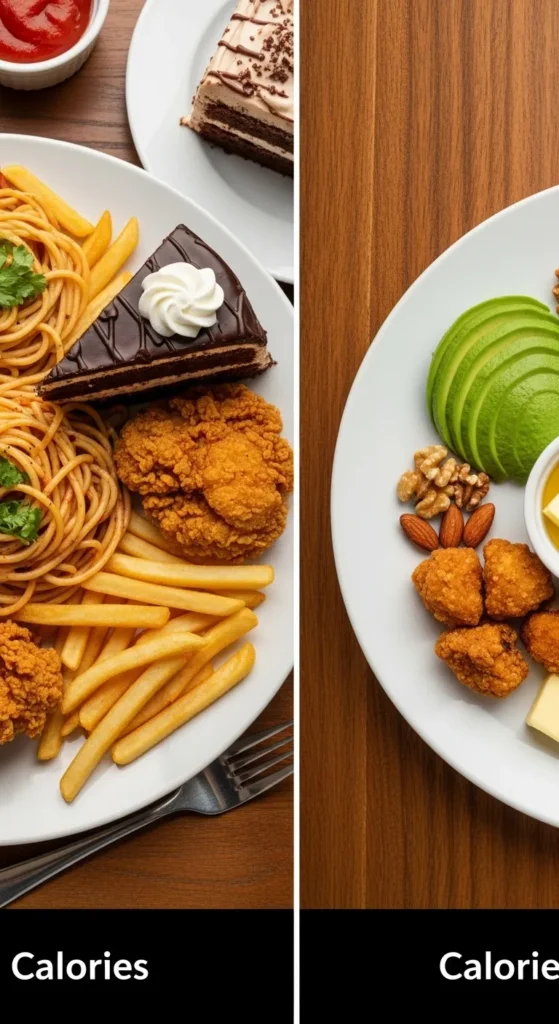
Calories from fat represent only the energy coming from fat grams, not the entire food. Total calories include calories from fat, protein, and carbohydrates combined, which is why both numbers matter when tracking intake.
Understanding this difference helps avoid confusion when reading nutrition labels. Knowing how to calculate calories from fat allows you to see whether a food is fat-heavy or balanced within your daily calorie limit.
7. How to Calculate Calories From Fat for Weight Loss

For weight loss, calculating fat calories helps control high-energy foods that add calories quickly. Since fat is calorie-dense, even small reductions can create a noticeable calorie deficit.
By using the grams × 9 formula, you can better manage portions and still enjoy fats in moderation. This method supports steady progress without completely cutting out fat.
8. Healthy Fats vs Unhealthy Fats Calories

Healthy fats and unhealthy fats both provide 9 calories per gram, but their impact on health differs. Avocados, nuts, and olive oil offer nutrients, while trans fats add calories with little benefit.
Knowing how to calculate calories from fat helps you choose better fat sources without overeating. Quality matters, but portion control is still key for calorie balance.
9. Common Mistakes When Calculating Fat Calories

A common mistake is forgetting hidden fats in sauces, dressings, and cooking oils. These extras can significantly increase calorie intake if not measured properly.
Another error is assuming “healthy fat” means unlimited portions. Even nutrient-rich fats must be calculated correctly to avoid exceeding daily calorie goals.
10. Using Fat Calorie Calculations for Meal Planning
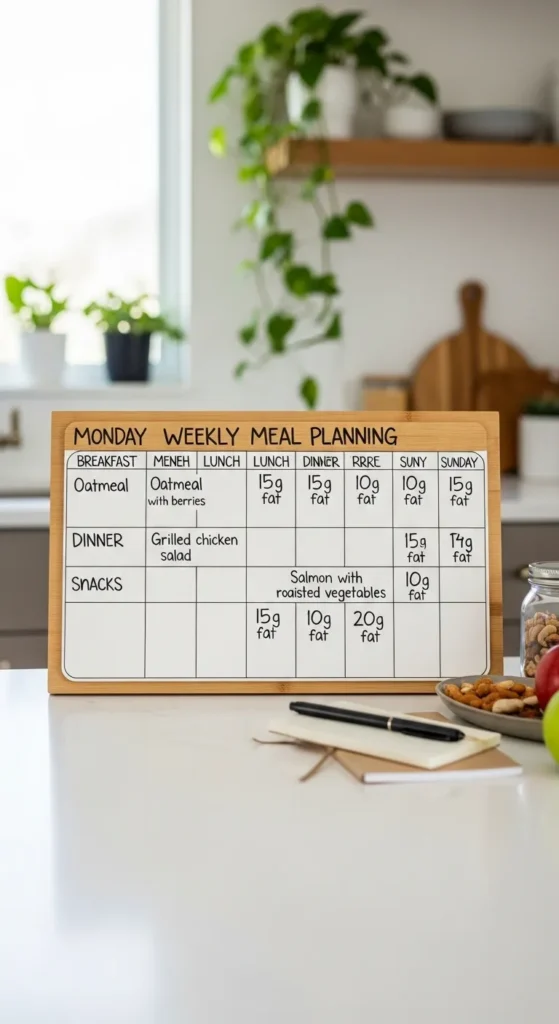
Meal planning becomes easier when you calculate fat calories in advance. You can balance meals by spreading fat intake evenly across the day instead of consuming it all at once.
This habit improves consistency and prevents calorie overload. Mastering how to calculate calories from fat turns meal planning into a powerful tool for long-term nutrition success.
This approach fits perfectly within the Just CICO method, where every calorie—whether from fat, protein, or carbs—matters.
11. How to Calculate Calories From Fat on Restaurant Menus

Restaurant meals often hide high fat content due to oils, butter, and creamy sauces. When nutrition facts are available, multiply the listed fat grams by 9 to estimate calories from fat.
If nutrition details are not provided, you can still make educated guesses by identifying visible fat sources. Understanding how to calculate calories from fat helps you choose lighter options and control portions while eating out.
12. Why Learning to Calculate Fat Calories Improves Results

Learning how to calculate calories from fat gives you control over your diet instead of relying on guesswork. It improves awareness of where calories come from and helps prevent unintentional overeating.
This skill supports better food choices, consistent calorie tracking, and sustainable progress. Over time, it becomes second nature and makes maintaining a healthy lifestyle far easier and more effective.
Conclusion
Understanding how to calculate calories from fat is a simple but powerful skill that can completely change the way you manage your diet. By remembering that 1 gram of fat equals 9 calories, you gain clarity on why certain foods raise calorie intake so quickly, even in small portions.
When you apply this knowledge to labels, homemade meals, and restaurant foods, calorie tracking becomes more accurate and intentional. Instead of avoiding fat, you learn to balance it wisely—supporting weight loss, maintenance, and long-term healthy eating success.