14 Secrets of the Loomis Method for Better Cooking
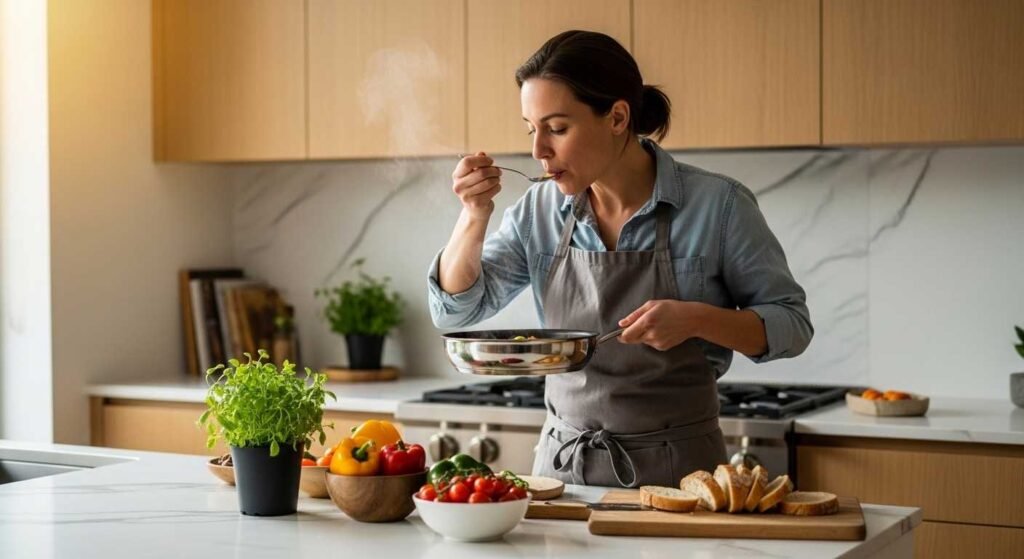
Ever cooked a meal that should have tasted amazing… but somehow felt flat? Yeah, I’ve been there—standing in my kitchen, staring at the pan, wondering what went wrong. That frustration pushed me toward the loomis method, and honestly, it changed how I cook on a random Tuesday night. This isn’t fancy chef fluff. It’s practical, human, and actually fun. Ready to cook smarter instead of harder? Let’s talk.
1. Start With Intent, Not Just Ingredients
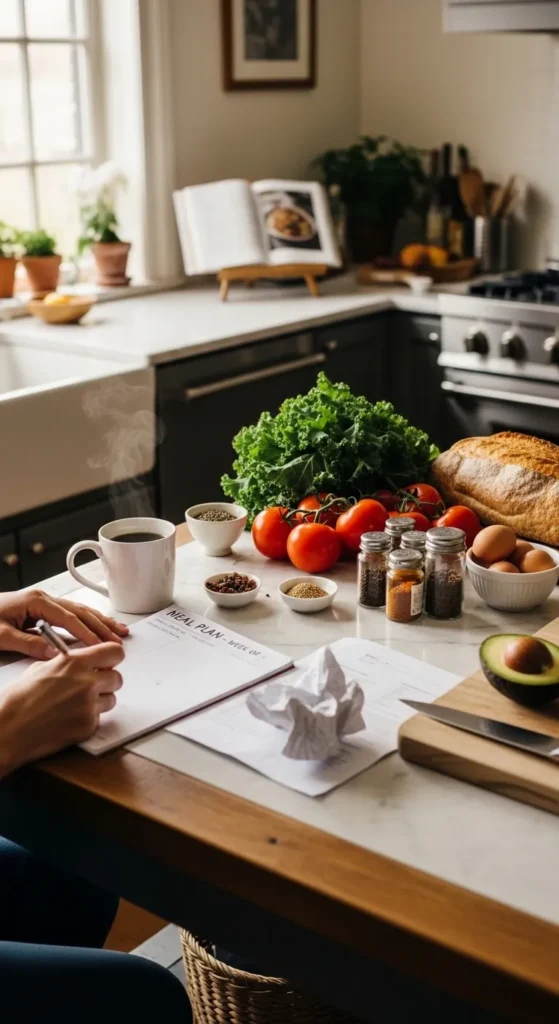
Most people open the fridge first. The loomis method flips that habit completely—and honestly, it makes cooking feel way less chaotic. I start by deciding the experience I want, not the ingredients I have. Comfort food? Light and fresh? Something indulgent that feels like a weekend meal on a Tuesday?
When I cook with intent, every decision lines up naturally. I choose spices faster, control portions better, and stop throwing random things into the pan just to “see what happens.” Ever noticed how meals go sideways when you cook without a clear goal?
Key Loomis principle: Intent acts like a roadmap—it prevents flavor confusion before it even starts.
2. Respect Heat Like It’s a Personality Trait
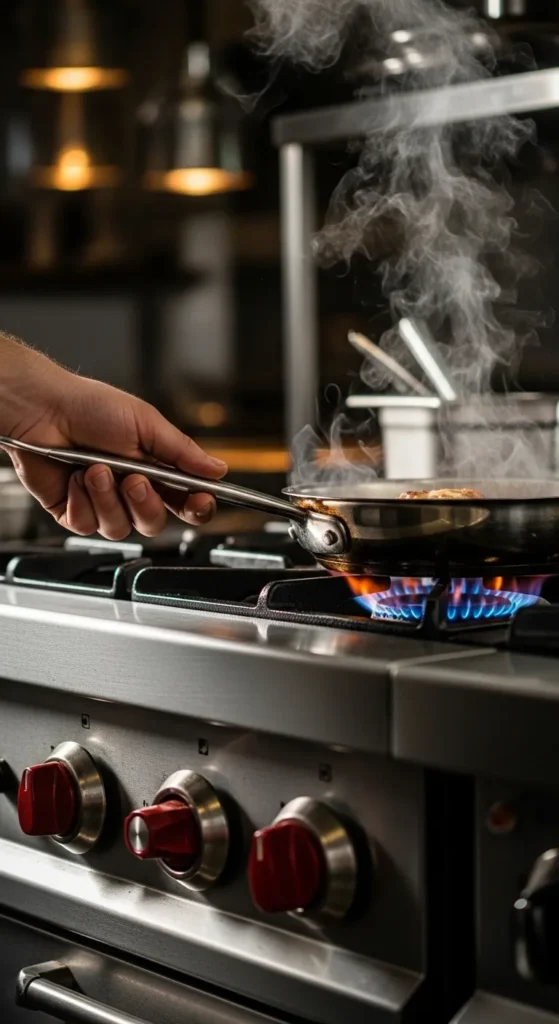
Heat isn’t just hot or cold—it has moods. The loomis method taught me to treat heat as an active ingredient, not a background setting I ignore. When I rush and crank the burner, food fights back. When I control heat, food cooperates.
I now preheat pans properly, lower heat for aromatics, and adjust flame levels constantly. Garlic stays sweet instead of bitter. Proteins brown instead of steaming. Sauces reduce instead of scorching.
Important truth: If you master heat, you automatically improve flavor, texture, and timing.
3. Season Early, Taste Often
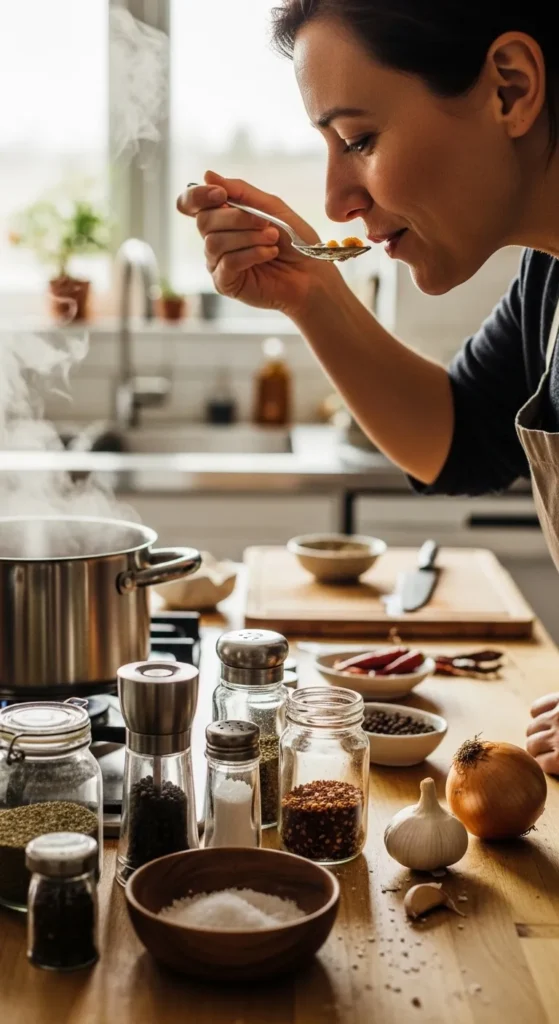
This one sounds obvious—until you realize how many people skip it. The loomis method pushes layered seasoning, and it works every time. I season at the beginning, during cooking, and at the end—never all at once.
Early seasoning builds depth. Midway seasoning adjusts balance. Final seasoning fine-tunes everything. I taste constantly, not because I’m impatient, but because flavor changes as food cooks. Ever added salt at the end and wondered why it still tastes flat?
Golden Loomis rule: Seasoning isn’t a step—it’s a process.
4. Build Flavor in Stages

Dumping everything into a pot might feel efficient, but the loomis method says nope. Flavor develops in stages, and each stage matters. I let ingredients shine one layer at a time instead of crowding the pan with chaos.
Here’s how I usually approach it:
- Start with aromatics to create a flavor base
- Toast spices to unlock depth
- Add proteins to develop browning
- Finish with liquids or acids for balance
Cooking this way slows me down—in a good way. Food tastes richer, deeper, and more intentional.
Big takeaway: Rushed cooking creates shallow flavor. Staged cooking creates depth.
5. Texture Matters More Than You Think
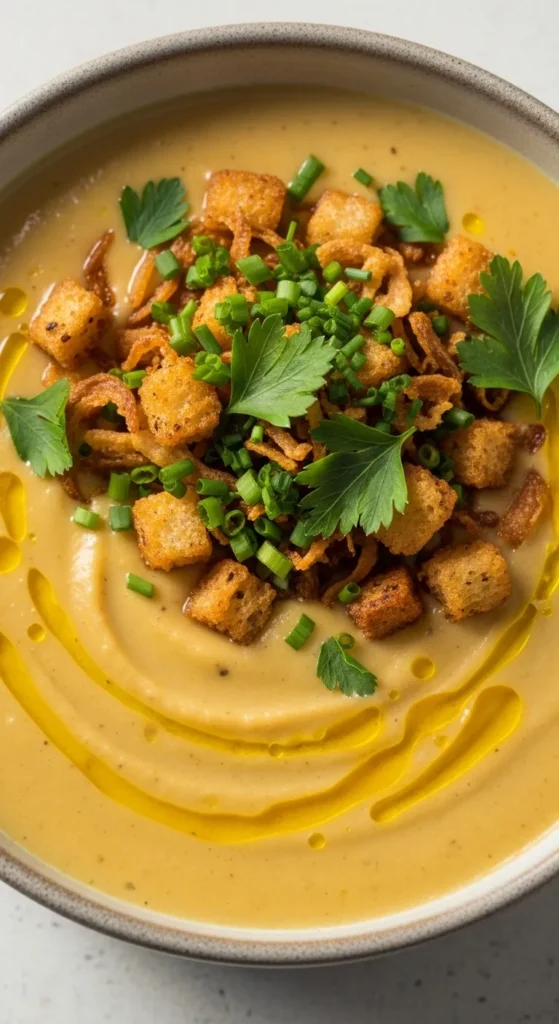
I used to obsess over seasoning and completely ignore texture. Big mistake. The loomis method opened my eyes to how texture keeps food interesting bite after bite.
Now I actively look for contrast. Soft dishes need crunch. Rich dishes need freshness. Creamy sauces need something sharp to wake them up. Without texture, even perfectly seasoned food feels boring fast.
I ask myself one question every time: What will make this bite exciting?
Essential Loomis insight: Flavor hooks people once—texture keeps them eating.
6. Use Your Nose Before Your Timer
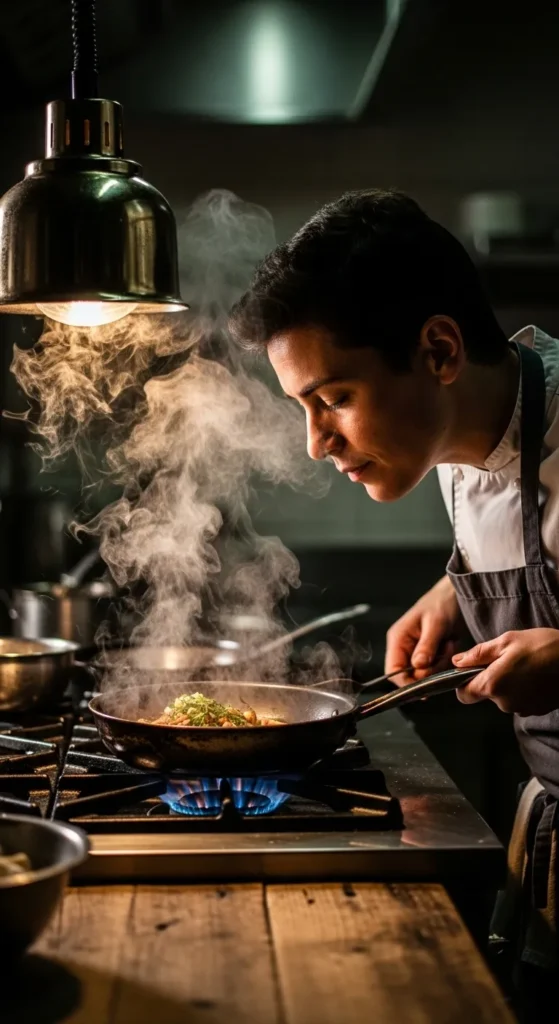
I stopped trusting timers the moment the loomis method made me realize something obvious but powerful: food tells you when it’s ready. Your nose catches changes a clock never will. Aromas evolve as ingredients cook, and those shifts matter.
When onions smell sweet instead of sharp, they’re ready. When spices release warmth and depth, they’ve bloomed. Burnt food always announces itself early—if you actually listen. Ever ignored a smell and regretted it seconds later? Yeah, same.
Loomis takeaway: Your nose reacts faster than any kitchen gadget.
7. Clean as You Cook (Yes, This Actually Matters)
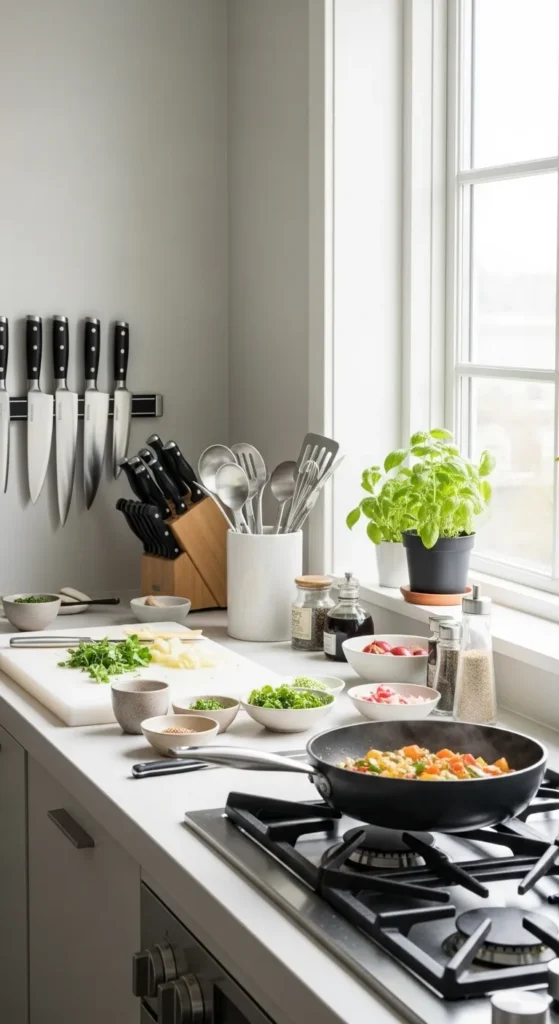
I used to think cleaning while cooking was optional. Turns out, it’s secretly strategic. The loomis method treats a clean workspace as part of the cooking process, not a chore you suffer through later.
When counters stay clear, my focus sharpens. I move faster, think better, and avoid mistakes. I also stop panicking when it’s time to plate because the kitchen isn’t screaming at me. FYI, cooking feels calmer when your space isn’t chaos.
Key principle: Mental clarity starts with physical order.
8. Acid Is the Most Underrated Flavor Fix
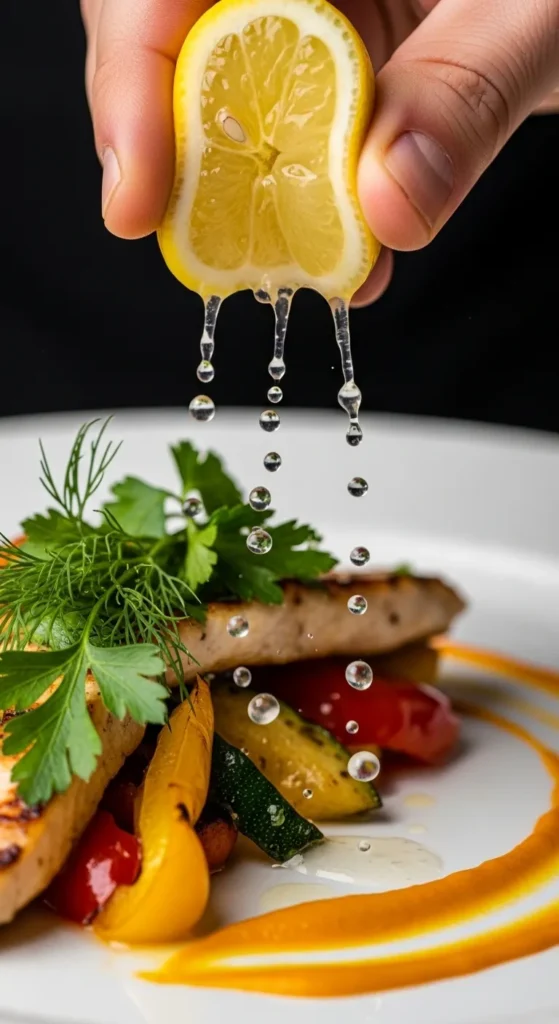
Salt gets all the love, but the loomis method quietly relies on acid. Acid wakes food up when flavors feel dull or heavy. Lemon juice, vinegar, yogurt, even tomatoes—each one changes the entire mood of a dish.
Whenever food tastes flat, I ask myself one thing: Does this need brightness? Nine times out of ten, a small splash of acid fixes everything. Ever added more salt and still felt disappointed? Acid was the missing piece.
Important insight: Acid adds balance, not sourness—when used correctly.
9. Don’t Fear Fat Use It With Purpose
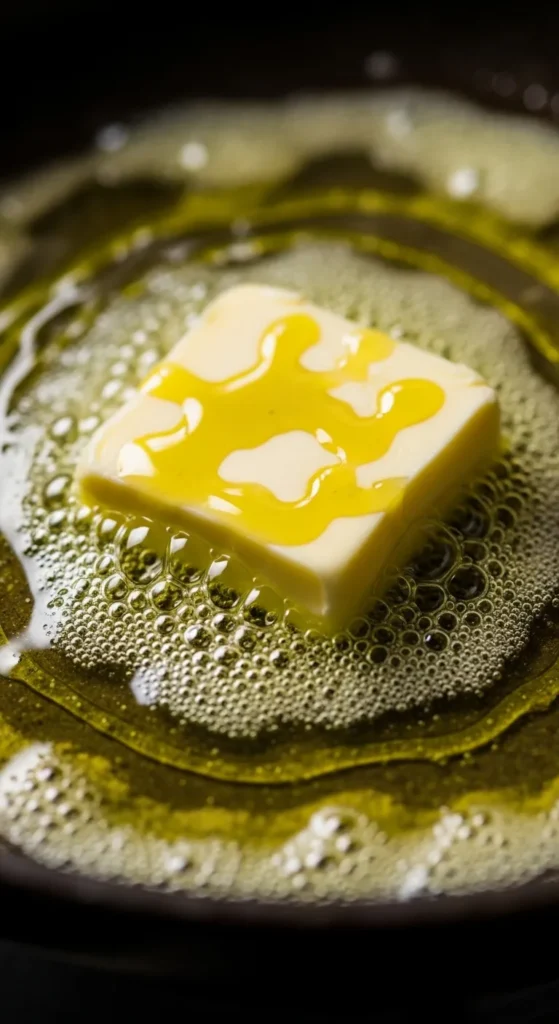
The loomis method doesn’t treat fat like a villain. It treats fat like a flavor carrier, which honestly makes way more sense. Butter rounds flavors. Olive oil adds aroma. Cream softens harsh edges.
I stopped cutting fat blindly and started using it intentionally. Food tastes fuller, smoother, and more satisfying. Texture improves. Flavor lingers longer. Why sabotage a dish by removing what makes it enjoyable?
Core Loomis belief: Fat isn’t excess—it’s structure.
10. Cook With Your Senses, Not Just Recipes
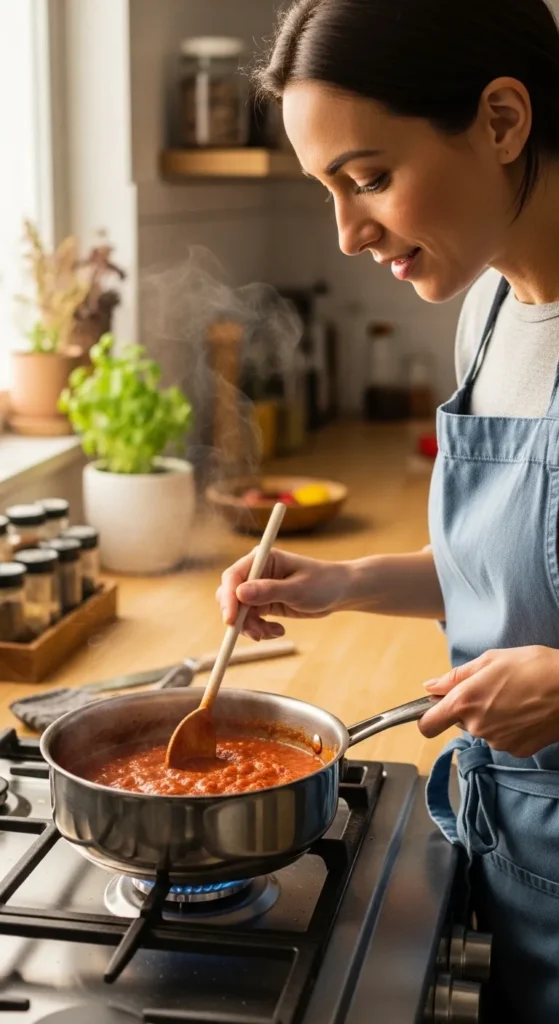
Recipes help, but the loomis method teaches you to graduate from them. I still read instructions, but I don’t obey them blindly anymore. I watch color, listen to sizzles, smell changes, and taste constantly.
If the sauce thickens early, I adjust. If protein browns faster, I move it. Cooking becomes a conversation instead of a checklist. Ever followed a recipe perfectly and still felt underwhelmed? That’s why.
Essential lesson: Your senses finish what recipes start.
11. Resting Food Isn’t Optional It’s Strategic
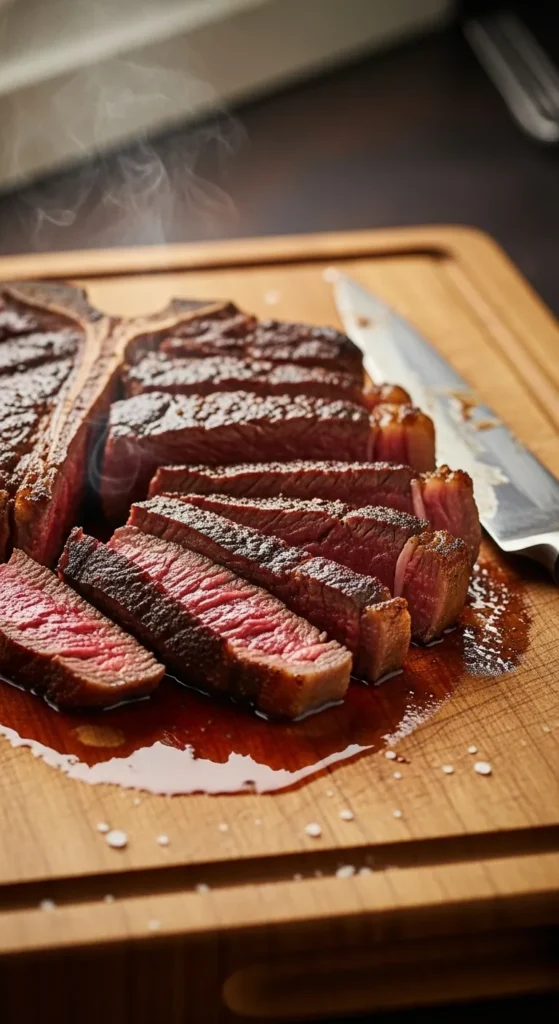
I used to skip resting because I felt hungry and impatient. The loomis method cured me of that fast. Resting lets food finish cooking itself, and yes, that actually matters more than people admit.
When meat rests, juices redistribute instead of flooding the plate. Sauces thicken naturally. Flavors settle into something smoother and more balanced. Ever cut into food too early and watched all the goodness escape? Painful lesson, right?
Loomis rule: If you rush the rest, you ruin the result.
12. Simplicity Beats Overcomplication Every Time
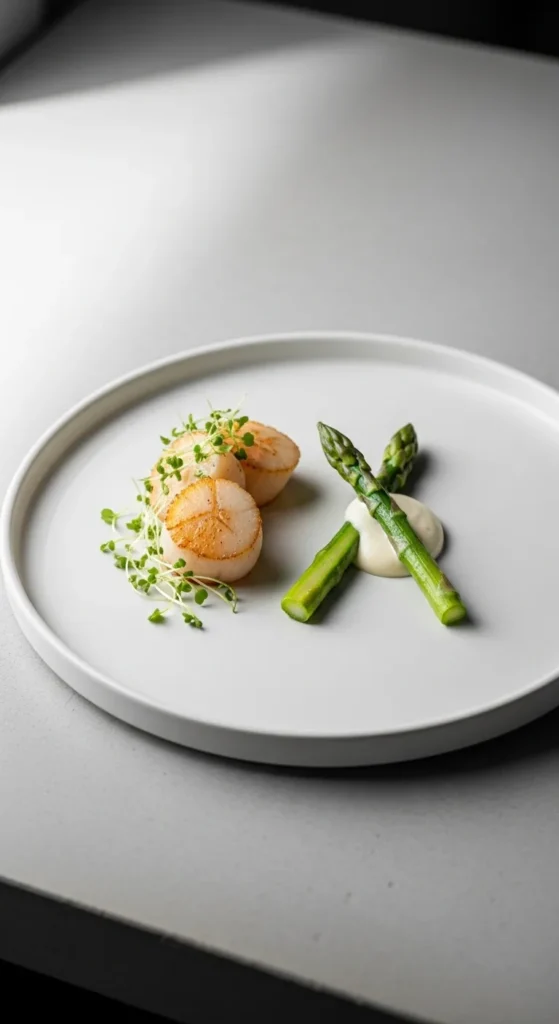
I once thought great cooking meant adding more ingredients. The loomis method shut that idea down hard. Restraint creates clarity, and clarity makes flavors pop.
When a dish tastes good, I stop messing with it. I resist the urge to add “just one more thing.” Extra ingredients blur flavors instead of improving them. Ever eaten something that tasted busy but forgettable? That’s overcomplication at work.
Core insight: Good food feels confident, not crowded.
13. Repetition Builds Real Cooking Confidence
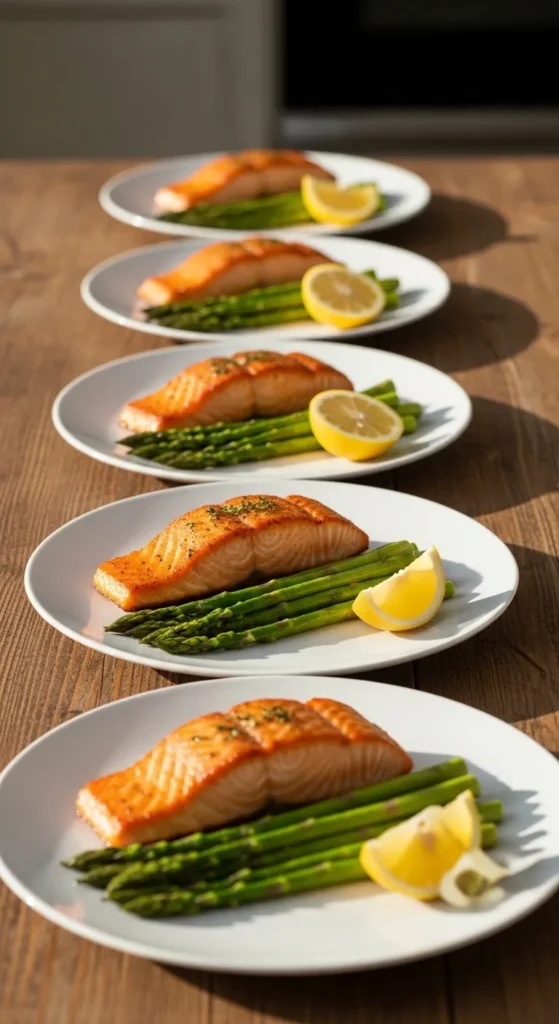
This secret sounds boring until it works. The loomis method encourages cooking the same dish multiple times, and that repetition sharpens instinct faster than any recipe book.
Each round teaches something new. I learn how heat behaves, when seasoning peaks, and how textures change. Guesswork fades. Confidence grows. Why reinvent the wheel every night when mastery comes from repetition?
Key truth: Skill grows from familiarity, not novelty.
14. Enjoy the Process Your Food Can Tell
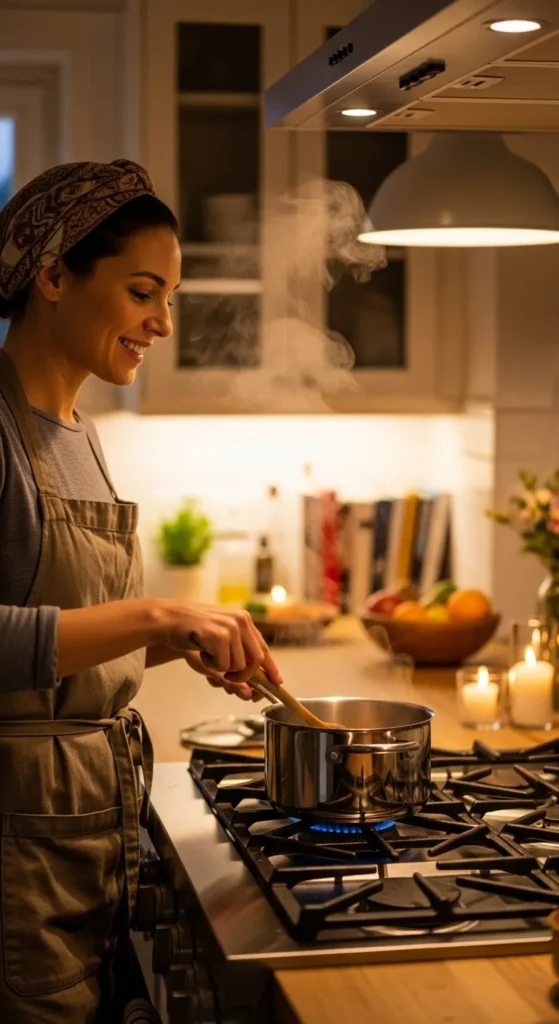
Here’s the quiet truth the loomis method reveals: your mindset shows up on the plate. When I cook stressed and rushed, food tastes flat. When I relax and enjoy myself, everything improves.
I move slower. I taste more. I trust my instincts. Cooking stops feeling like work and starts feeling grounding. Ever noticed how meals made with joy feel different? Yeah… that’s not an accident 🙂
Final Loomis philosophy: Cooking reflects the cook—every single time.
Final Thoughts:
Why the Loomis Method Actually Works
The loomis method doesn’t chase perfection—it builds awareness. It teaches you to trust your senses, slow down, and cook with intention. I cook better food now, but more importantly, I enjoy it more.
So next time you step into the kitchen, ask yourself: Am I cooking on autopilot… or with purpose?
Your food will answer that question loud and clear.