
11 Perfectly Cooked Medium Rare Steak: Tips & Tricks
Introduction
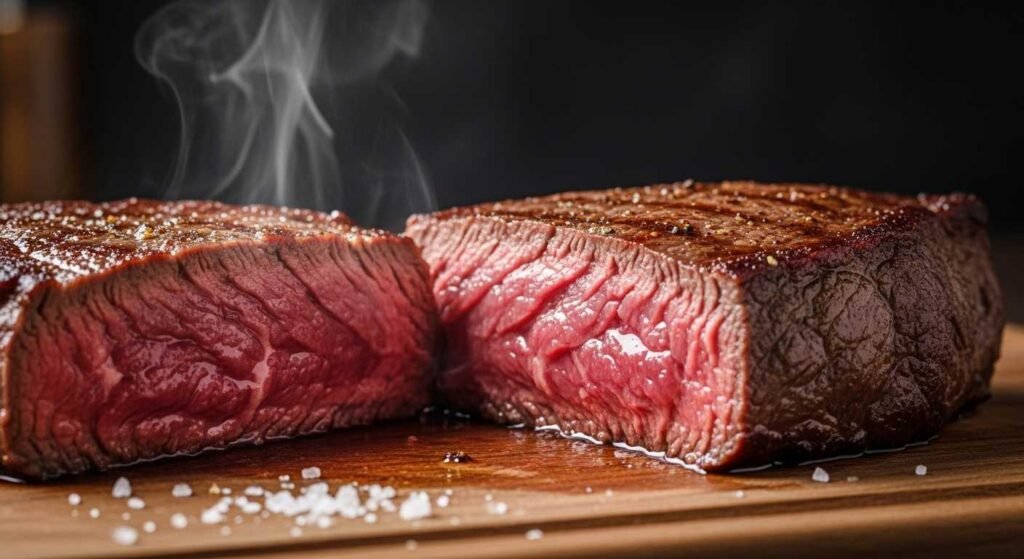
Let’s be honest—nothing hurts more than ruining a good steak. You spend real money, you get excited, and then boom… it turns gray, chewy, and sad. I’ve been there, staring at a plate like, “Why did I do this to you?” 😑
A medium rare steak sits right in that sweet spot—juicy, tender, pink in the center, and full of flavor. Nail it once, and suddenly you feel like a grill wizard. Ever wonder why restaurant steaks taste better even when you use the same cut at home? Yeah, that’s not magic. It’s technique.
Let me walk you through the first 5 must-know tips like I’m chatting with you over a backyard grill—no chef ego, no fancy nonsense, just what actually works.
1. Choose the Right Cut (Because Steak Choice Is Half the Battle)
Let me say this upfront: not all steaks deserve medium rare treatment. Some cuts shine when cooked longer, but the wrong one here will fight you every step of the way. IMO, this is where most people mess up before they even turn on the heat.
Best Cuts for Medium Rare
- Ribeye – Rich fat, insane flavor, very forgiving
- New York Strip – Balanced, beefy, clean bite
- Filet Mignon – Ultra-tender, lean, elegant
- Sirloin (top sirloin only) – Affordable and solid if handled right
The key detail people ignore? Thickness.
👉 Always choose steaks at least 1–1.5 inches thick. Thin steaks overcook faster than you can blink, and then you’re stuck pretending you meant to do that.
Ever grabbed a thin steak thinking you’ll “just be careful”? Yeah… same. It never ends well.
2. Bring the Steak to Room Temperature (Yes, It Actually Matters)
I used to skip this step because I thought it sounded dramatic. Turns out, this one habit changed my results instantly.
Why Room Temperature Works
When you throw a cold steak straight onto heat:
- The outside overcooks
- The inside stays cold
- Timing becomes a nightmare
Letting your steak rest outside the fridge for 30–45 minutes gives you even cooking from edge to center. No gray bands. No panic flipping.
Important point:
🟢 You’re not “spoiling” the steak
🟢 You’re setting it up for success
Ever sliced into a steak and saw a perfect center with cooked edges instead of a gray ring? This step plays a huge role in that magic.
3. Season Simply (Stop Overthinking This Part)
This one might hurt feelings, but here we go: you don’t need 12 spices for a great medium rare steak. Beef already tastes amazing—don’t bury it.
The Perfect Seasoning Combo
- Kosher salt
- Fresh cracked black pepper
That’s it. Seriously.
Salt does three critical things:
- Enhances natural beef flavor
- Helps create a crust
- Improves juiciness when used correctly
Season generously right before cooking. Not 20 minutes before. Not the night before. Right before heat hits the steak.
Ever had a steak taste bland even though you “seasoned it”? You probably under-salted. Don’t be shy—this isn’t popcorn, but it’s close 😏.
4. Use High Heat (Medium Rare Loves Confidence)
If you cook steak on timid heat, it will punish you. Medium rare demands confidence. You want that aggressive sizzle the second the steak hits the pan or grill.
What High Heat Does Right
- Creates a deep brown crust
- Locks in juices
- Prevents overcooking inside
Best cooking surfaces:
- Cast iron skillet (my personal favorite)
- Hot grill grates
- Heavy stainless steel pan
Preheat your pan for at least 5 minutes. If the steak doesn’t sizzle loudly, your pan isn’t ready. Period.
FYI—that crust equals flavor, not dryness. If you’re scared of burning, you’ll end up steaming the steak instead. And no one wants steamed steak. Ever.
5. Master the Timing (Stop Guessing, Start Knowing)
Timing separates “pretty good” from perfect medium rare steak. Guessing leads to stress. Knowing gives confidence.
Ideal Internal Temperature
- Pull steak at 125–130°F (52–54°C)
- Resting will bring it to 130–135°F, aka medium rare heaven
General Cooking Time (1–1.5 inch steak)
- 2–3 minutes per side on high heat
- Flip once. Maybe twice. Don’t fidget.
Use a meat thermometer. I resisted for years because I thought it made me less “manly.” Turns out, overcooked steak is way less impressive than accurate steak.
Ever cut too early and watched juices flood your plate? That’s timing plus resting—which we’ll get into later 😉
6. Flip Less, Trust More (Your Steak Isn’t a Pancake)
I see people flipping steaks every ten seconds like they’re nervous. Relax. A medium rare steak loves commitment, not chaos.
How Flipping Actually Works
- Flip once or twice max
- Let the crust fully develop before touching it
- If it sticks, it’s not ready—don’t force it
That crust forms when proteins caramelize, and that only happens when you leave the steak alone. Constant flipping cools the surface and ruins browning.
Ever notice how restaurant steaks look evenly seared? That’s patience doing its job. Flip less. Trust the heat.
7. Butter Basting Flavor Cheat Code
Once I discovered butter basting, I stopped cooking steak any other way. This step takes your medium rare steak from good to “why is this so good?”
How to Butter Baste Like a Pro
- Add butter, garlic, and thyme during the last 1–2 minutes
- Tilt the pan slightly
- Spoon the melted butter over the steak repeatedly
Butter adds richness, garlic adds aroma, and herbs add depth without overpowering the beef. The steak absorbs all that flavor fast.
Ever tasted a steak that felt luxurious without sauce? Yeah—that’s butter basting working overtime.
## 8. Let It Rest (Don’t Ruin Everything at the Finish Line)
This part hurts the most because you’re hungry—but cutting too early kills juiciness. I learned this lesson the messy way.
Why Resting Matters
- Keeps juices inside the steak
- Finishes cooking gently
- Improves texture
Rest your steak for 5–10 minutes, depending on thickness. Place it on a board. Don’t tent tightly with foil—light coverage works best.
Ever sliced immediately and watched juices flood the plate? That wasn’t flavor escaping—it was moisture you just lost forever :
9. Slice Against the Grain (Yes, Direction Matters)
You can cook a perfect medium rare steak and still mess it up with bad slicing. Cut direction changes tenderness instantly.
How to Slice Correctly
- Look for muscle fibers
- Slice across them, not along them
- Use a sharp knife
Cutting against the grain shortens muscle fibers, which makes each bite easier to chew. The steak literally feels more tender.
Ever wonder why leftovers feel tougher than fresh steak? Poor slicing often plays a bigger role than reheating.
10. Finish Simply (Sauces Are Optional, Not Mandatory)
A perfectly cooked medium rare steak doesn’t need to hide under heavy sauces. Let the beef speak first.
Clean Finishing Ideas
- Flaky sea salt
- Fresh cracked pepper
- Chimichurri (light drizzle only)
- Lemon zest for brightness
If you need sauce to save the steak, something went wrong earlier. A good steak stands on its own and welcomes extras—not depends on them.
IMO, the best compliment to steak is restraint. When flavor shines, you don’t interrupt it.
11. Respect the Steak (Confidence Is the Final Ingredient)
This one sounds dramatic, but hear me out—your mindset actually affects your medium rare steak. When you rush, panic, or second-guess every move, mistakes happen fast. When you cook with calm confidence, everything flows better.
What “Respecting the Steak” Really Means
- Trust the process you followed from start to finish
- Stop poking, pressing, and babysitting
- Let technique do the work, not anxiety
A good steak doesn’t need constant attention. It needs clear decisions and patience. Once the steak hits the pan, your job becomes observation, not interference.
Ever notice how your best steak usually happens when you’re relaxed and not overthinking? Exactly. Confidence shows up on the plate.
Final Thoughts
Medium Rare Isn’t Luck It’s Control
Cooking the perfect medium rare steak isn’t about talent or fancy tools. It’s about control, timing, and restraint. You control the cut, the heat, the seasoning, and the finish—and the steak rewards you for it.
Let’s recap the big wins:
- Choose thick, quality cuts
- Use high heat and simple seasoning
- Flip less, rest more
- Finish clean and slice smart
Once you nail this, steak night stops feeling risky and starts feeling fun. Next time someone cuts into your steak and goes quiet for a second? That silence is respect 😌